
Where Are the Best Spots for Wildlife Viewing in Survival Training?
If you’re gearing up for survival training and want to spot wildlife along the way, here are the top spots that deliver both rugged challenges and unforgettable animal encounters:
- Yellowstone National Park, USA: Prime for tracking wolves and grizzlies while honing fire-starting and navigation skills.
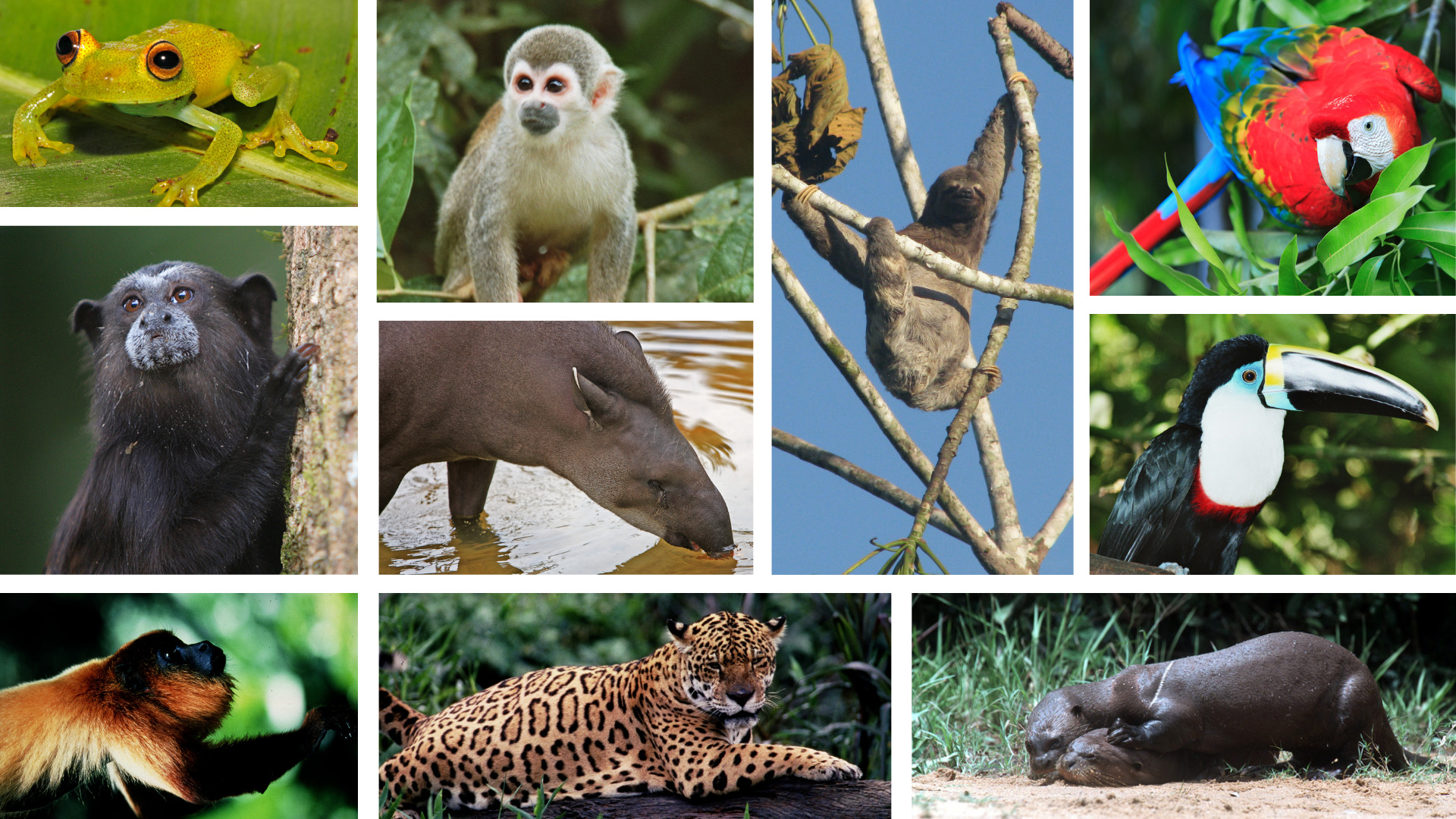
- Amazon Rainforest, Peru/Brazil: Dive into jungle survival amid monkeys, birds, and river dolphins.
- Rocky Mountains, USA: Elk and moose roam as you practice shelter-building in high-altitude terrain.
- Olympic National Park, USA: Elk herds in misty rainforests pair with foraging and weather-reading lessons.
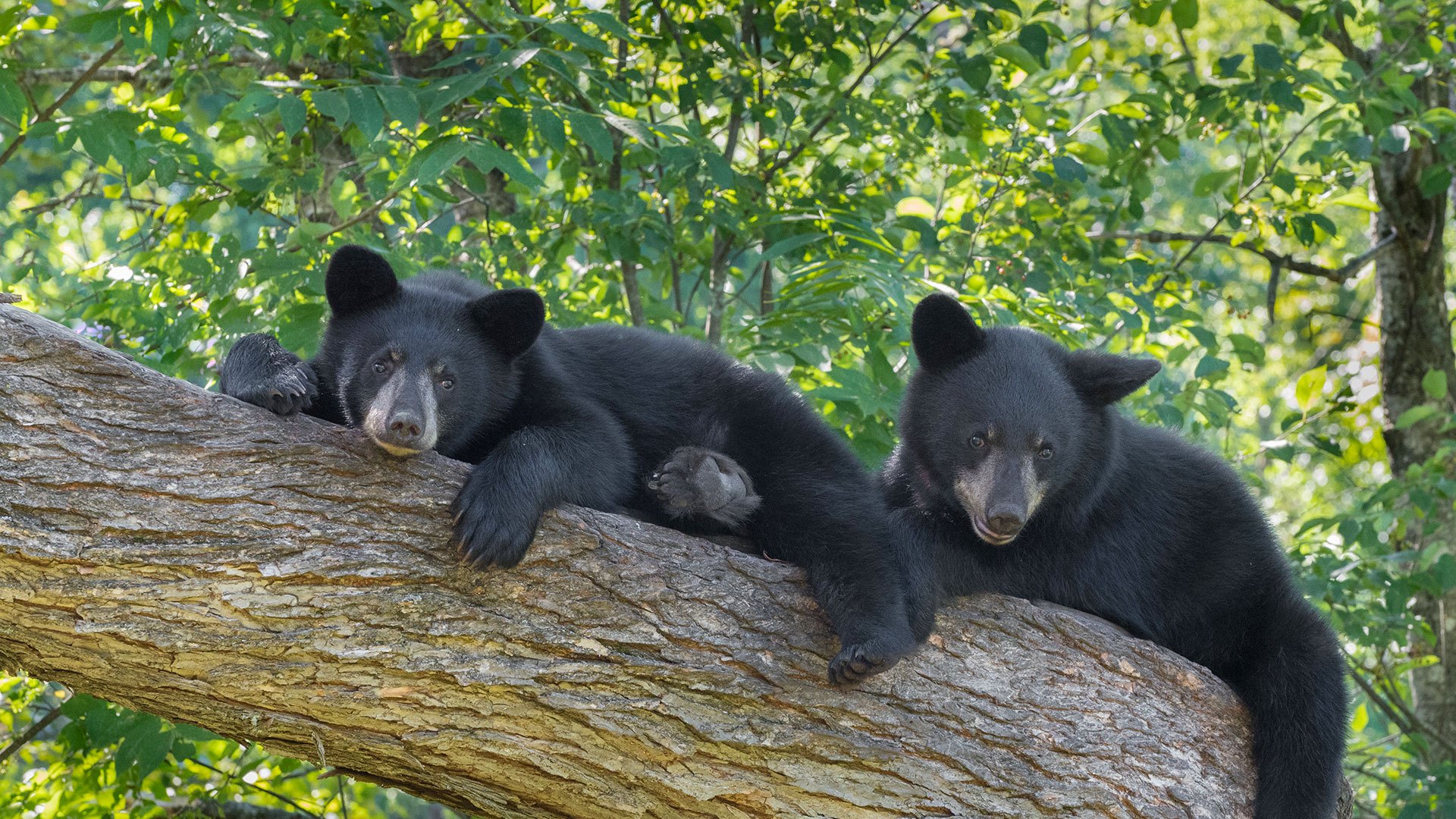
- Appalachian Mountains, USA: Black bears and deer sightings enhance trail-based endurance training.
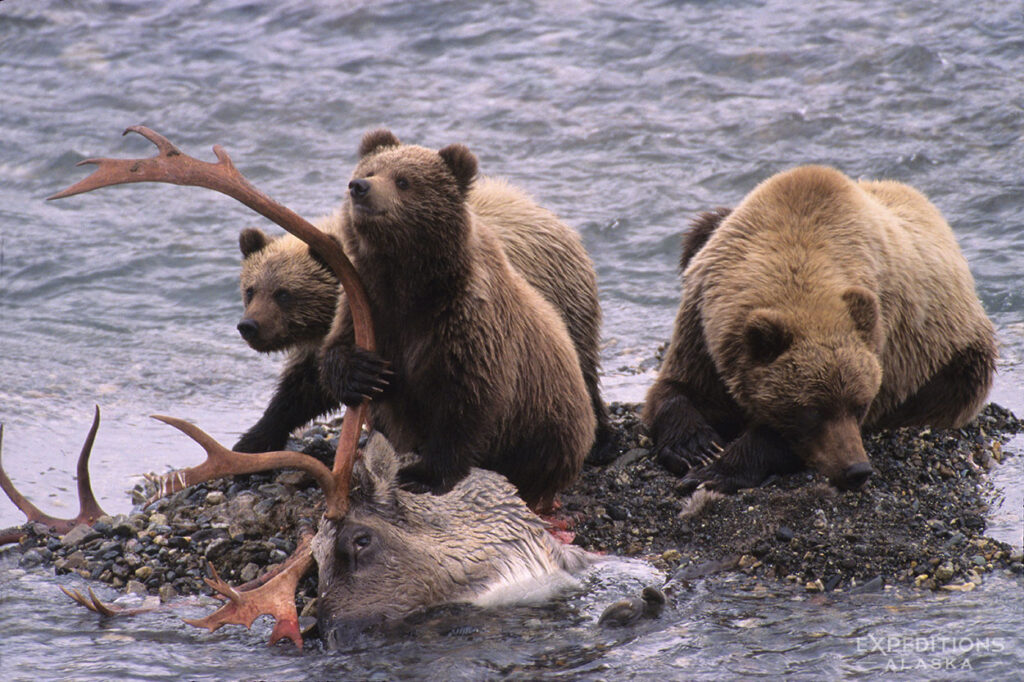
- Denali National Park, Alaska: Grizzlies and caribou test cold-weather survival techniques.
These places stand out because they blend real-world survival practice with accessible wildlife hotspots, drawing from diverse ecosystems that keep things fresh no matter your experience level.
Why Wildlife Viewing Makes Survival Training Stick
Picture this: You’re crouched low, building a debris shelter from fallen branches, when a family of elk wanders into view. That moment isn’t just a break—it’s a live lesson in animal behavior, resource awareness, and staying calm under pressure. Blending wildlife spotting into survival drills turns abstract skills into instincts.
Experts say this combo boosts retention. Hands-on encounters help you read tracks, gauge threats, and spot edible plants tied to animal trails. It’s no wonder programs like those from the National Outdoor Leadership School weave in wildlife education—participants report feeling more connected to the land, which sharpens decision-making in the wild. Plus, in an era where urban folks crave nature’s raw edge, these spots tap into that pull, making training feel less like a chore and more like an adventure.
From a practical angle, wildlife-rich areas force adaptability. A sudden bear sighting mid-forage? That’s your cue to refine evasion tactics. It’s logical: Survival isn’t scripted; it’s reactive. And with over 3 million annual visitors to places like Yellowstone alone, these locations prove popular for good reason—they deliver thrills without skimping on safety.
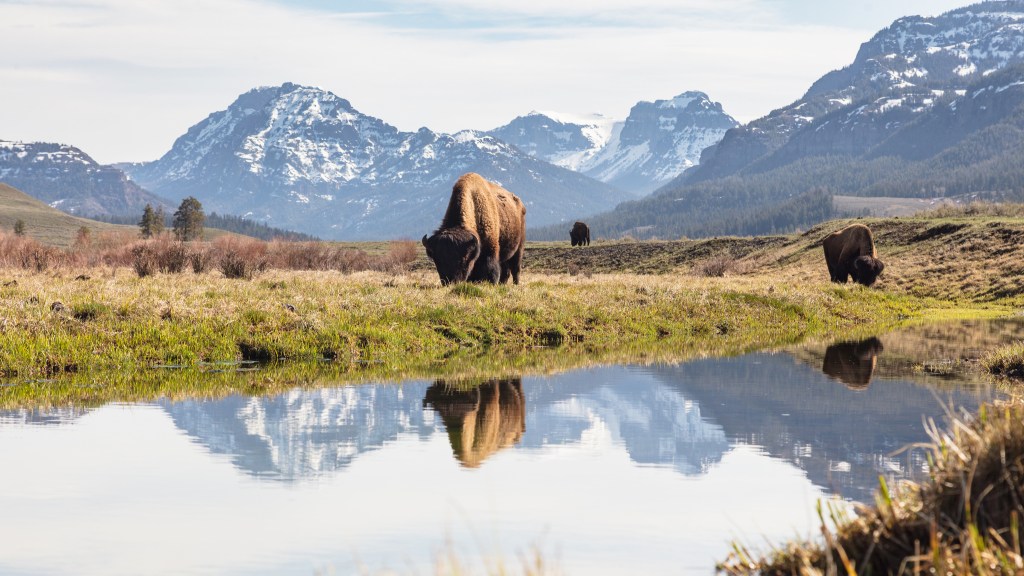
Yellowstone National Park: America’s Wildlife Theater
Straddling Wyoming, Montana, and Idaho, Yellowstone isn’t just geysers and hot springs—it’s a survival playground teeming with 67 mammal species. Bison herds thunder across meadows, gray wolves howl at dawn, and grizzlies fish in rushing streams. This park’s geothermal features add a twist: Learn to avoid scalding pools while scanning for black bears rummaging berries.
Why here for training? The terrain mirrors classic wilderness scenarios—vast valleys for navigation practice, dense forests for shelter drills. Outfitters like Yellowstone Forever run guided sessions on wildlife safety, teaching you to read scat and prints as you trek. It’s popular because sightings are reliable: Lamar Valley, dubbed “America’s Serengeti,” sees wolf packs 90% of the time during peak seasons.
Key Wildlife to Spot
- Bison and Elk: Massive herds in Hayden Valley; watch for rutting season clashes in fall.
- Wolves and Coyotes: Dawn patrols in Lamar Valley reveal packs hunting.
- Grizzly and Black Bears: Spring foraging near Dunraven Pass—keep distance to avoid surprises.
Survival Tips Tailored to Yellowstone
- Pack bear spray and know its 30-foot range—practice draws during hikes.
- Use geothermal steam for signaling, but test water temps first.
- Forage ethically: Spot elk trails leading to wild onions, but leave no trace.
Crowds peak in summer, so shoulder seasons (May or September) offer quieter views and fewer lines at trailheads. It’s a gateway spot for beginners, with ranger-led first-aid courses nearby in Gardiner emphasizing bear encounters.
Amazon Rainforest: Jungle Heartbeat and Hidden Dangers
Deep in Peru or Brazil, the Amazon pulses with life—over 3 million insect species, colorful macaws screeching overhead, and pink river dolphins slicing through murky waters. Survival here means mastering humidity, insects, and vines that double as ropes or water sources. Tours like those from Amazon Explorer plunge you into Pacaya Samiria Reserve, where you build elevated huts while listening for howler monkeys at dusk.
The logic? This biodiversity hotspot forces multifaceted skills: Track capybaras for water holes, identify poison dart frogs to avoid mishaps. It’s exploded in popularity post-Bear Grylls docs, with 1.5 million tourists yearly seeking that raw edge. Unlike arid deserts, the jungle’s layers—from canopy to understory—teach vertical awareness, vital for evasion or climbing.
Standout Animals in the Mix
- Monkeys and Sloths: Tamarin troops swing through branches; spot them from canopy walks.
- Birds and Reptiles: Harpy eagles soar, while caimans lurk in oxbow lakes.
- River Life: Anacondas coil near Yarina Lake during treks.
Pro Moves for Amazon Survival
- Boil vine water immediately—guides show safe sources teeming with piranhas for fishing practice.
- Use leaf hats for rain cover; scan for jaguar prints to reroute paths.
- Night hikes reveal bioluminescent fungi, doubling as glow markers.
Opt for Iquitos-based outfits for easy access; 4- to 12-day trips balance intensity with recovery at eco-lodges. It’s ideal for those craving exotic vibes, but pack DEET—the bugs don’t discriminate.
Rocky Mountains: High-Altitude Encounters
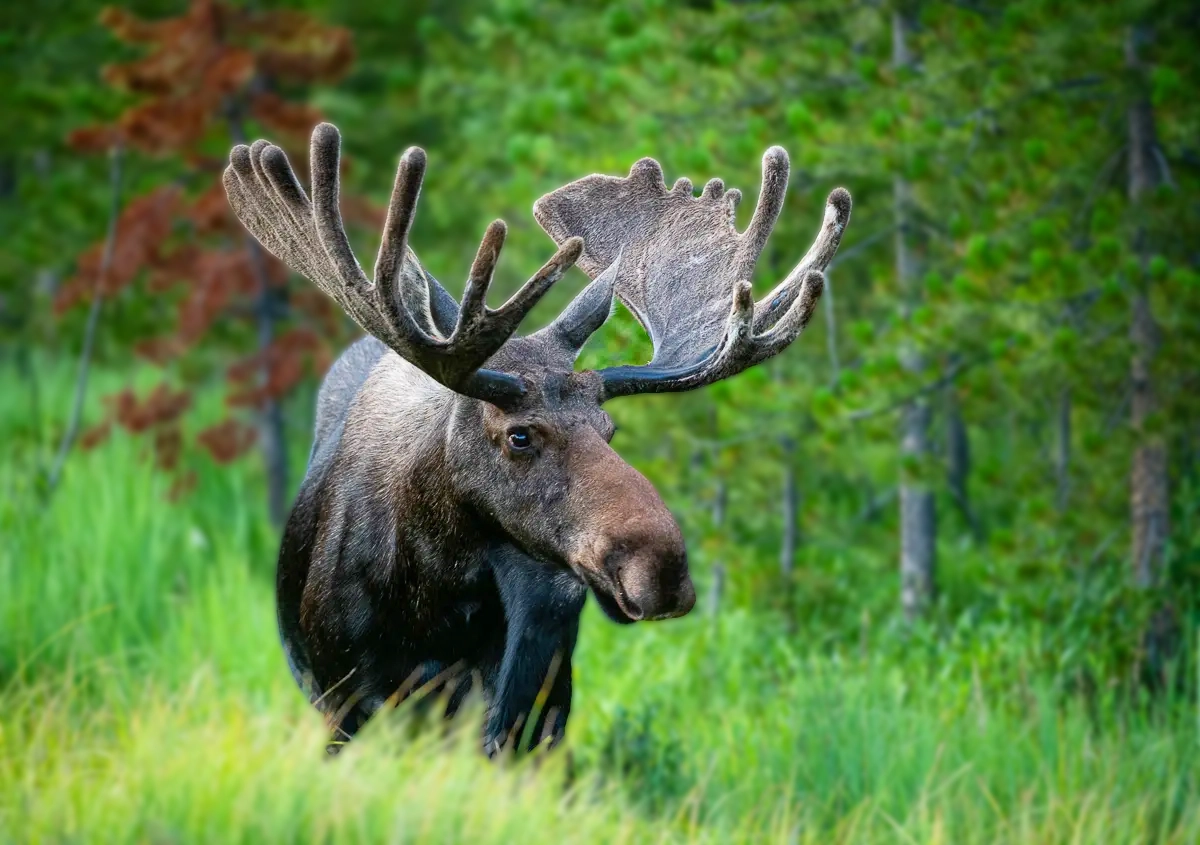
Towering from Colorado to Montana, the Rockies challenge with thin air and sudden storms, but reward with elk bugling in aspen groves and moose wading willow thickets. Programs through BattlBox highlight backcountry sites where you learn avalanche reads alongside spotting bighorn sheep on sheer cliffs.
Elevation logic shines here: At 10,000 feet, hypoxia tests endurance, mirroring real crises while wildlife like mountain lions teach stealth. Visitor stats back the buzz—Rocky Mountain National Park logs 4.5 million guests yearly, many for wildlife drives.
Wildlife Highlights
- Elk and Moose: Rut displays in Moraine Park; moose in Kawuneeche Valley willows.
- Bears and Pikas: Black bears berry-pick in summer; tiny pikas call from talus fields.
- Birds: Golden eagles circle ridges, ptarmigans blend into snow.
Rocky-Specific Survival Hacks
- Layer for microclimates—spot deer in sunny meadows for wind breaks.
- Use streams for trout snares; elk rubs mark safe foraging zones.
- Practice crevasse jumps near Sheep Lakes, where bighorns gather.
Fall’s golden hues make it photogenic; avoid winter unless you’re sled-savvy. It’s a solid pick for mid-level adventurers eyeing North American classics.
Olympic National Park: Rainforest Rhythms
Washington’s Olympic blends old-growth forests, rugged beaches, and subalpine meadows, home to Roosevelt elk bugling in Hoh Rainforest and black bears scavenging tide pools. Wilderness Awareness School runs sessions here, syncing animal tracking with tidal foraging.
Diversity drives its appeal: Three ecosystems in one park mean varied drills—from wet-weather fires to beach signaling. Elk herds, the largest in the Pacific Northwest, roam openly, upping sighting odds to 80% on dawn hikes.
Top Sights
- Elk and Deer: Herds at dusk in river valleys; black-tailed deer in clearings.
- Marine Mammals: Gray whales migrate offshore; sea otters bob in kelp.
- Birds: Bald eagles nest near Salmon Cascades.
Tips for Olympic Drills
- Fern fronds make natural beds; elk paths lead to salmon runs.
- Time low tides for clam digs—otters show prime spots.
- Hurricane Ridge views aid orienteering amid marmot whistles.
Year-round access suits all; spring wildflowers amp the immersion. Great for coastal twist on inland training.
Appalachian Mountains: Eastern Trail Magic
Stretching 2,190 miles from Georgia to Maine, the Appalachians offer rolling ridges and hardwood forests alive with black bears denning in laurel thickets and white-tailed deer bounding fern-choked hollows. Mountain Shepherd Survival School in Virginia taps this for multi-season courses.
Why it ranks? Accessible trails build stamina gradually, with wildlife like bobcats teaching quiet movement. The trail sees 3 million hikers yearly, many noting bear sightings as highlights.
Animals on the Agenda
- Bears and Deer: Black bears in Great Smoky Mountains; deer everywhere.
- Birds and Small Game: Warblers migrate; turkeys strut clearings.
- Reptiles: Rattlesnakes sun on rocks—watch your step.
Appalachian Essentials
- Chestnut oaks yield acorns; deer trails flag berry patches.
- Stream forages reveal crayfish; bear scat warns of neighbors.
- Fall leaves crunch underfoot—practice soft steps.
Budget-friendly and drivable, it’s perfect for East Coasters. Spring greens the views, fall colors the drama.
Denali National Park: Arctic Edge Adventures
Alaska’s Denali sprawls with grizzlies scavenging caribou kills and Dall sheep scaling Polychrome Pass. Alpha Survival School pushes polar limits here, from snow caves to wolf tracking.
Subzero logic: Builds resilience against cold, with 160 bird species and foxes adding scouting practice. Bus tours spot 70% of big game on a single ride.
Denali Draws
- Bears and Caribou: Grizzlies at Sable Pass; herds migrate.
- Sheep and Wolves: Summit views; packs prowl tundra.
- Birds: Ptarmigans camouflage in snow.
Survival in the North
- Igloo from drifts; caribou moss for tinder.
- Fox tracks guide to lemming burrows.
- Summer midnight sun extends drills.
Remote but rewarding—summer’s the window. For hardcore cold prep.
Gear Up Right: Prep for Sightings and Scenarios
No spot’s complete without basics: Binoculars for distant views, a field guide for IDs, and noise-makers for deterrence. Layer clothes match microclimates—think wool in Rockies, quick-dry in Amazon.
Health-wise, vaccines and bug nets are non-negotiables. Apps like iNaturalist log sightings, turning observations into shared knowledge.
Stay Safe, Stay Smart
Wildlife’s wild—maintain 100 yards from bears, 25 from bison. Tell someone your route; carry a PLB for remote zones. Programs stress LNT: Pack out traces, respect habitats.
Injuries? Know pressure points from first-aid drills. Weather flips fast—monitor forecasts religiously.
Wrapping Up: Your Next Wild Step
These spots aren’t just destinations; they’re classrooms where survival meets spectacle. Whether chasing wolves in Yellowstone or monkeys in the Amazon, each teaches respect for the untamed. Start small, build confidence—nature rewards the prepared. Grab your pack; the trail’s calling.