What Wild Plants Are Safe to Eat in the United States?
Safe wild plants to eat in the United States include dandelions (leaves, flowers, roots), stinging nettles (cooked leaves), blackberries (ripe berries), garlic mustard (leaves, flowers, seeds), elderberries (cooked ripe berries only), chickweed (stems, leaves, flowers), burdock (roots, young stems), chicory (leaves, roots), cattails (young shoots, roots), wild violets (flowers, leaves), purslane (stems, leaves), plantain (leaves), lamb’s quarters (leaves), wood sorrel (leaves, stems in moderation), and acorns (leached and cooked). Always confirm identification, harvest from clean areas, and start with small amounts to check for reactions.
Getting Started with Foraging: Why It Matters Today
Foraging has surged in popularity over the last few years, especially as people look for ways to connect with nature and add fresh, nutrient-packed foods to their diets. Think about it—grocery prices keep climbing, and folks are turning to their backyards or local trails for free alternatives. A 2023 survey from the Outdoor Industry Association showed that outdoor activities like foraging jumped by 20% since 2020, with many citing health and sustainability as top reasons. It’s not just a survival skill anymore; it’s a practical way to eat seasonally and reduce reliance on store-bought produce.
But here’s the logic behind why this works well for everyday people: Wild plants often grow abundantly in disturbed areas like edges of fields or urban lots, making them accessible without needing special gear. Plus, they pack more flavor and nutrients than many cultivated veggies because they’ve adapted to tough conditions. Just remember, the key is education—misidentification can lead to trouble, so building knowledge gradually keeps things safe and enjoyable.
Essential Safety Tips Before You Head Out
Safety isn’t optional when dealing with wild plants—it’s the foundation. One wrong pick, and you could end up with an upset stomach or worse. That’s why experienced foragers always stress positive identification. Use field guides or apps like iNaturalist to cross-check, and join local groups for hands-on learning. A good rule: If you’re not 100% sure, leave it alone.
Avoid areas contaminated by pesticides, road runoff, or industrial waste. Stick to spots at least 50 feet from busy roads, as studies from the EPA note that heavy metals can accumulate in plants near traffic. Harvest ethically too—take only what you need, and never strip a whole patch. For beginners, start in spring when tender greens are easiest to spot and less likely to be confused with toxic look-alikes.
Other practical tips include:
- Wear gloves for prickly or stinging plants.
- Wash everything thoroughly.
- Cook most greens to neutralize any irritants.
- Test for allergies by rubbing a bit on your skin first.
This approach makes sense because wild plants vary by location and season, so building habits around caution ensures long-term success without risks.
Popular Edible Wild Plants You Can Find Nationwide
Many wild plants show up across the country, making them great starting points for new foragers. They’re popular because they’re versatile—use them in salads, teas, or cooked dishes—and they’re often invasive or weedy, so harvesting helps control their spread. Here’s a breakdown of some favorites, with details on how to spot them and why they’re worth trying.
Dandelions: The Everywhere Weed That’s a Powerhouse

A common dandelion plant growing wild, with its recognizable toothed leaves.
You see dandelions in lawns and fields from coast to coast, and every part is edible. Young leaves taste like bitter greens, flowers add color to salads, and roots can be roasted for a coffee-like brew. They’re popular in foraging circles because they’re so common—no need to hunt far. Logically, since they thrive in sunny, open spots, they’re one of the first plants to green up in spring, providing early nutrition when other foods are scarce.
Stinging Nettles: Handle with Care, But Worth the Effort
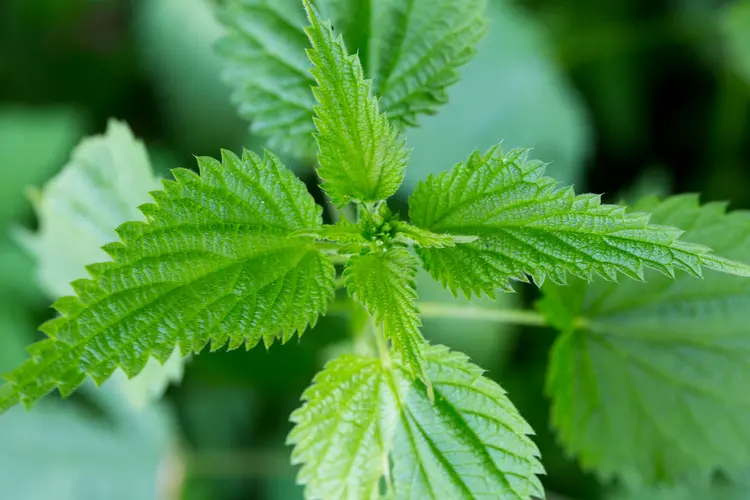
Close-up of stinging nettle leaves, known for their serrated edges.
Nettles grow in damp, shady areas like riverbanks or woods edges, mostly in the northern and western states. The leaves sting when raw, but cooking neutralizes that. They’re a favorite for teas or soups because of their spinach-like flavor and high iron content. Why does this make sense? Nettles are nutrient-dense, with studies showing they contain more vitamin C than oranges per serving, making them a smart choice for boosting health naturally.
Blackberries: Sweet Rewards from Thorny Bushes
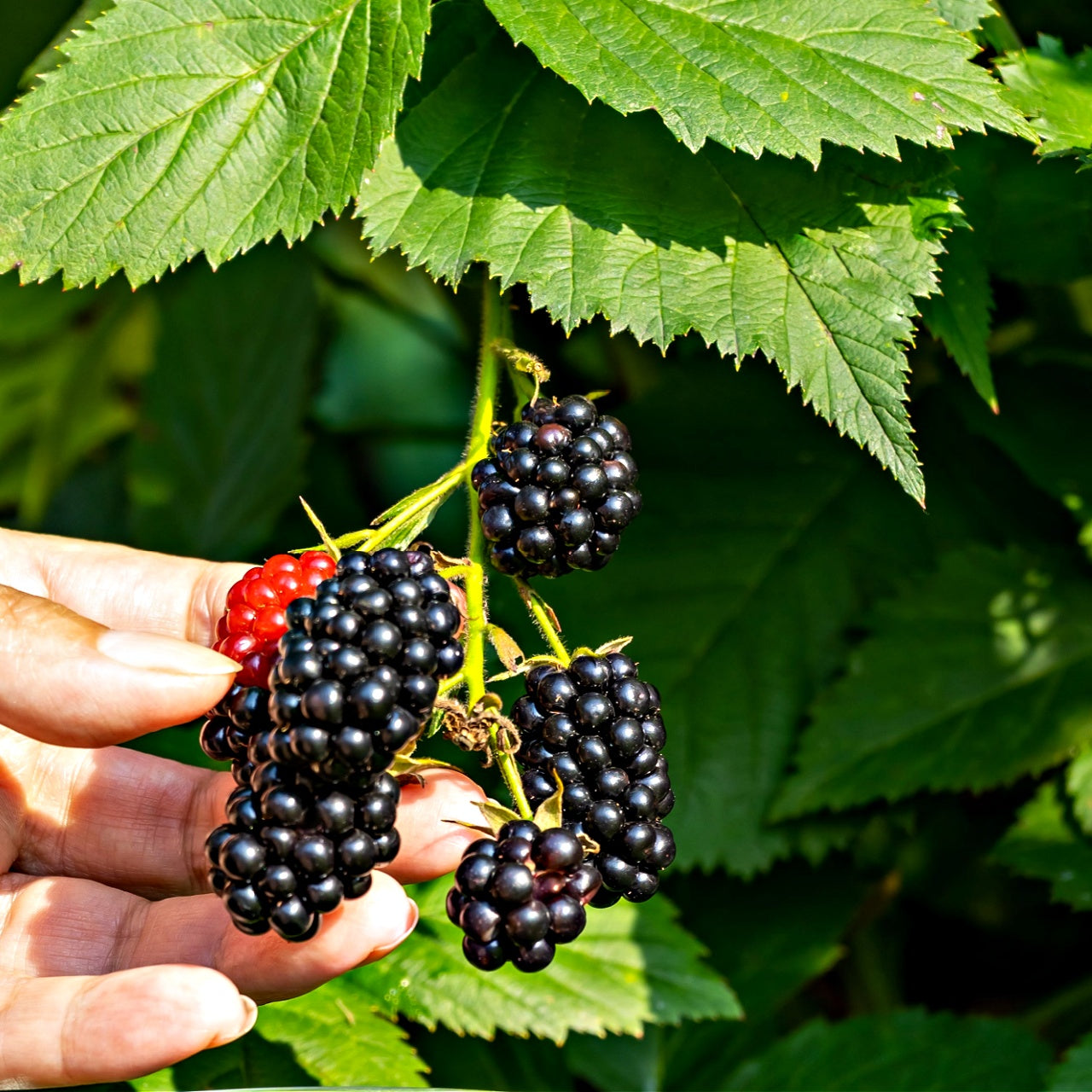
A wild blackberry bush laden with ripe berries.
These brambles pop up in sunny clearings and edges nationwide, especially in the East and Pacific Northwest. Ripe berries are black and juicy, perfect for eating fresh or in pies. They’re hugely popular for summer foraging because the reward is immediate—no cooking needed. The logic here is simple: Blackberries are aggregate fruits, safe when dark and plump, and they signal other edibles nearby in similar habitats.
Garlic Mustard: Invasive but Tasty
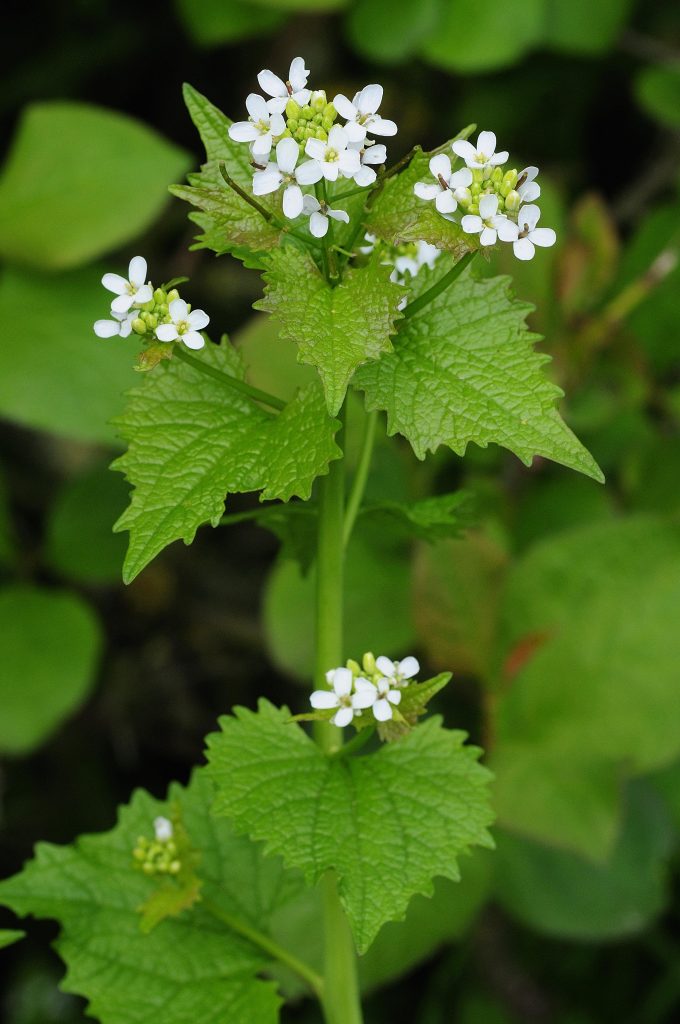
Garlic mustard plant with its heart-shaped leaves and white flowers.
Common in the Midwest and Northeast woodlands, this plant has heart-shaped leaves that smell like garlic when crushed. Use young leaves in pesto or salads. It’s a top pick among foragers targeting invasives, as pulling it helps native plants. Makes sense because it’s widespread and easy to identify by scent, reducing mix-up risks.
Elderberries: For Jams and Syrups, But Cook Them
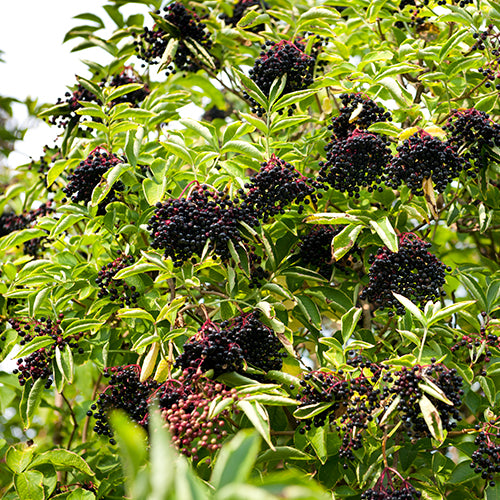
Elderberry bush showing clusters of dark berries.
Found in moist areas across much of the US, elderberry bushes produce clusters of dark berries in late summer. Always cook them to remove toxins—raw ones can cause nausea. Popular for immune-boosting syrups, backed by research showing they help with cold symptoms. The reasoning: Berries are abundant, and cooking makes them versatile for preserves, aligning with seasonal harvesting.
Other nationwide finds include:
- Chickweed: Mild, cucumber-like greens in cool, moist spots.
- Burdock: Roots for stir-fries, common in disturbed soils.
- Chicory: Bitter leaves or root coffee, along roadsides.
How Regions Change What’s on Your Foraging Plate
The US is huge, so what grows safe and edible shifts with climate and terrain. This variety keeps things interesting—Northeast foragers might focus on forest greens, while Southwest folks hunt desert fruits. It logically follows that adapting to local conditions maximizes safety and yield.
Northeast: Woodsy Greens and Berries
Cool forests here favor ramps (wild leeks), fiddlehead ferns (cooked), and serviceberries. Ramps are a spring hit for their onion-garlic punch, but harvest sparingly as they’re slow-growing.
Southeast: Southern Staples
Pawpaws (custard-like fruit) and persimmons thrive in humid areas. Persimmons are best after frost to avoid puckering bitterness.
Midwest: Prairie and Woodland Mix
Prairie turnips and wild plums are common. Elderberries and black walnuts add nutty options in fall.
Southwest: Desert Adaptations
Prickly pear cactus pads (nopales) and mesquite pods offer unique flavors. Remove spines carefully for the former.
West Coast: Coastal and Mountain Variety
Salmonberries and miner’s lettuce shine here. Miner’s lettuce is succulent and vitamin-rich, ideal for salads.
Why Wild Plants Boost Your Health
Wild edibles aren’t just free food—they’re often more nutritious than store varieties. For example, a study in the journal Foods found wild plants like nettles and dandelions have higher levels of antioxidants and vitamins due to their natural defenses against pests. This makes logical sense: They grow without fertilizers, concentrating nutrients.
Benefits include:
- Better digestion from fiber in roots like burdock.
- Immune support from vitamin C in berries.
- Anti-inflammatory effects from compounds in plants like plantain.
Incorporating them regularly can enhance overall wellness, especially for those seeking natural alternatives.
Easy Recipes to Try with Your Foraged Finds
Turning wild plants into meals is where the fun ramps up. These ideas use common edibles and keep things simple.
Dandelion Green Salad
Mix young dandelion leaves with olive oil, lemon, and nuts. Serves 2—quick and fresh.
Nettle Soup
Blanch nettles, blend with potatoes and broth. Creamy and nourishing for cool days.
Blackberry Jam
Boil berries with sugar until thick. Spread on toast for a wild twist.
Garlic Mustard Pesto
Blend leaves with garlic, nuts, and oil. Great on pasta.
Elderberry Syrup
Simmer berries with honey. Use for teas or over pancakes.
These recipes highlight versatility, showing how wild plants fit everyday cooking without fancy tools.
Practicing Sustainable Foraging for the Long Haul
Sustainability keeps foraging viable. Only take 10-20% from a patch, as guidelines from the Chestnut School of Herbal Medicine suggest, to allow regrowth. Focus on invasives like garlic mustard to benefit ecosystems. It makes sense—overharvesting depletes resources, while mindful picking supports biodiversity.
Check local laws too; some areas require permits. Joining communities or apps helps share spots responsibly.