What Should I Include in a Basic Wilderness Survival Kit?
A basic wilderness survival kit needs to cover the core needs for staying alive in tough outdoor situations: shelter, water, fire, food, navigation, signaling, and first aid. Pack these key items: a sturdy knife for cutting and building, fire-starting tools like waterproof matches or a ferro rod with tinder, water purification tablets or a small filter, a metal water container, at least 50 feet of paracord for tying and repairs, a whistle and signal mirror for getting help, a compact first-aid kit with bandages and antiseptics, a map of the area and compass, an emergency blanket or large trash bag for shelter, a headlamp or flashlight with spare batteries, extra layers of clothing like a hat and gloves, and energy bars or trail mix for quick food.
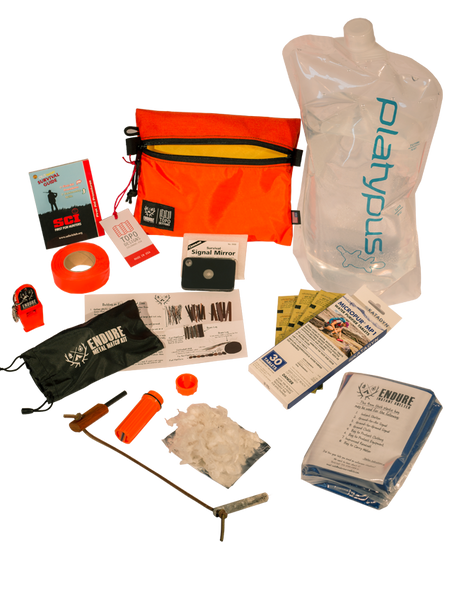
Laid out essentials in a basic wilderness survival kit, including tools for fire, water, and shelter.
Why Build a Wilderness Survival Kit?
Heading out into the woods without some basic gear is like driving without a spare tire—you might be fine, but when things go wrong, you’ll wish you had it. A survival kit isn’t about preparing for the end of the world; it’s for those unexpected twists, like getting lost on a hike or facing bad weather overnight. Experts from places like the National Park Service stress that having the right tools can turn a scary situation into a manageable one. Think of it as your personal safety net, small enough to carry but packed with items that address immediate threats like hypothermia, dehydration, or injury.
People often overlook this because they assume a short trip won’t turn serious. But statistics show otherwise. According to the National Park Service, search and rescue operations happen thousands of times each year in U.S. parks alone, often because folks weren’t ready for basics like navigation or weather changes. Building a kit forces you to think ahead, and it’s a habit that seasoned hikers, campers, and scouts swear by for peace of mind.
The Framework: Following the Ten Essentials
Many outdoor pros base their kits on the “Ten Essentials,” a list first put together by The Mountaineers in the 1930s and updated over the years. It’s popular because it covers all bases without overwhelming you with gear. REI and similar outfitters promote this system for its simplicity and effectiveness in real wilderness scenarios. The logic here is straightforward: prioritize items that help you stay found, warm, hydrated, and healthy. Let’s break it down category by category, with reasons why each matters and tips from popular sources.
Navigation Tools: Map and Compass
Getting lost is one of the top reasons people need rescuing in the wild. A topographic map of your area and a reliable compass are must-haves because GPS can fail—batteries die, signals drop in thick forests or canyons. Experts like those at Brunton recommend practicing with these tools before you need them, as they’re low-tech but highly dependable.
- Opt for a waterproof map case to keep it readable in rain.
- Pair it with a baseplate compass for easy bearings.
This combo is popular among hikers because it’s lightweight and doesn’t rely on tech, making it ideal for multi-day trips where weight matters.
Illumination: Flashlight or Headlamp
Darkness hits fast in the wilderness, and stumbling around without light can lead to falls or worse. A headlamp frees up your hands for tasks like setting up camp, while a small flashlight works as backup. The National Park Service suggests packing extra batteries, as cold weather drains them quicker than you think.
- Choose LED models for longer battery life.
- Red light modes preserve night vision, a tip from scouting resources.
It’s a simple item, but forums like Reddit’s survival community often highlight how a good light source boosts confidence and safety during unexpected overnights.
Insulation: Extra Clothing and Emergency Shelter
Weather can shift dramatically, and wet clothes lead to hypothermia, which kills more outdoor enthusiasts than you’d expect. Pack extra layers like a wool hat, gloves, and a rain jacket. For shelter, an emergency blanket (also called a space blanket) or heavy-duty trash bag provides quick protection from wind and rain. Wilderness Awareness School points out that these items are compact but can retain up to 90% of your body heat.
- Layer synthetics or wool that wick moisture away.
- A trash bag can double as a poncho or ground cover.
This category is huge in scouting programs because it teaches the value of preparation over reaction, and it’s why many kits include versatile items like paracord to tie up shelters.
Fire-Starting Gear: Matches, Lighter, or Ferro Rod
Fire means warmth, boiled water, and a signal for help. Waterproof matches or a Bic lighter are easy starters, but add a ferro rod for reliability in wet conditions—it sparks even when soaked. Include tinder like cotton balls soaked in petroleum jelly for quick ignition. Survival experts on sites like Swift Silent Deadly emphasize redundancy here; one method might fail, so have backups.
- Store everything in a waterproof container.
- Practice building fires in controlled settings to build skill.
Popular among bushcraft enthusiasts, fire gear tops many lists because it addresses multiple survival needs at once, from cooking to morale-boosting.
Hydration: Water Container and Purification
You can survive weeks without food but only days without water. A metal bottle lets you boil water if needed, and purification tablets or a straw filter kill bacteria and viruses. The CDC recommends treating all wilderness water sources, as even clear streams can carry giardia. Aim for at least a liter container.
- Tablets are lightweight; filters handle larger volumes.
- Know local water sources from your map.
This is a staple in every expert recommendation because dehydration sneaks up fast, especially in hot or strenuous conditions, and it’s why kits from REI always include this.
Nutrition: Non-Perishable Food
Energy bars, nuts, or jerky provide quick calories without cooking. Pack enough for 24-48 hours, focusing on high-energy, lightweight options. Scouting resources suggest trail mix for its mix of carbs, fats, and proteins.
- Avoid anything that melts or spoils.
- Rotate stock to keep it fresh.
Food isn’t always top priority in short-term survival, but it keeps your mind sharp, which is why it’s included in popular kits—hunger clouds judgment.
First-Aid Supplies: Compact Kit
Cuts, blisters, or sprains happen easily off-trail. A basic kit with bandages, antiseptic wipes, pain relievers, and tweezers covers most issues. Add personal meds like allergy pills. The American Red Cross advises customizing for your group’s needs, like including moleskin for hikers.
- Include gloves to prevent infection.
- Learn basic first aid through apps or classes.
This is non-negotiable in expert lists because minor injuries can escalate without treatment, and it’s a frequent topic in survival forums.
Repair Kit and Tools: Knife and Multi-Tool
A fixed-blade knife handles cutting, carving, and defense. Add duct tape for fixes and a multi-tool for versatility. Instructables highlights how a good knife is the backbone of wilderness tasks, from prepping food to building shelter.
- Choose a full-tang knife for durability.
- Paracord wraps around handles for extra utility.
Tools like these are favorites in bushcraft circles because they empower you to improvise, turning natural materials into useful items.
Signaling Devices: Whistle and Mirror
If you’re in trouble, make noise and reflect light. A pea-less whistle carries farther than yelling, and a signal mirror flashes miles away on sunny days. Brunton experts note that these low-cost items have saved countless lives by alerting rescuers.
- Attach the whistle to your pack for quick access.
- Practice mirror aiming at distant objects.
Popular in military-inspired kits, signaling gear shifts focus from self-reliance to getting found, a smart balance.
Sun Protection: Sunglasses, Sunscreen, and Hat
UV rays burn skin and eyes, leading to snow blindness or heat exhaustion. Pack SPF 30+ sunscreen, polarized sunglasses, and a wide-brim hat. REI includes this in their essentials because high-altitude or open areas amplify exposure.
- Reapply sunscreen every two hours.
- Choose wraparound glasses for full coverage.
Often underrated, this category gains traction in desert or mountain survival discussions for preventing long-term damage.
Customizing Your Kit for Different Scenarios
Not every kit fits every trip. For desert hikes, bump up water gear; in cold areas, add more insulation. Reddit users in survival threads suggest starting with the basics and testing on short outings to see what works. The logic is personal—your fitness, location, and group size matter. Families might add kid-friendly items like games, while solo adventurers focus on lightweight options.
Keep the kit in a waterproof bag or pouch, weighing under five pounds for portability. Rotate perishables like food and batteries every six months, as REI advises for maintenance.
Common Mistakes to Avoid
Don’t overload—too much gear slows you down. Skip untested items; practice with everything. Forgetting to tell someone your plans is a big one, as it delays rescue. Experts like those at Wilderness College warn against relying solely on phones, since coverage is spotty. Build skills alongside the kit; gear alone won’t save you.
Final Thoughts
Putting together a basic wilderness survival kit is about smart choices that match real risks. It empowers you to enjoy the outdoors safely. Start small, learn as you go, and you’ll be ready for whatever comes.