What is a Nature Survival Guide?
A nature survival guide is a resource packed with hands-on knowledge and techniques to help people stay alive and handle emergencies in the wild, covering basics like building shelters, sourcing water, making fire, finding food, navigating terrain, and applying first aid.
Introduction to Nature Survival Guides
Heading out into the wilderness can feel thrilling, but it comes with real risks. A nature survival guide steps in as your roadmap for those moments when things go sideways. These guides pull together time-tested methods to meet basic needs—shelter from the elements, clean water to drink, fire for warmth, food to eat, and ways to find your path or signal for help.
People turn to these guides for different reasons. Some are weekend hikers prepping for a trail mishap, while others are adventurers pushing into remote areas. With outdoor activities booming, survival knowledge has surged in popularity. Think about how shows like “Survivorman” or books on bushcraft have made these skills mainstream. It’s not just about extreme scenarios; it’s practical for anyone who steps off the beaten path.
What makes these guides stand out is their focus on self-reliance. They teach you to use what’s around you—sticks, leaves, rocks—instead of relying solely on gear. This approach builds confidence and connects you deeper with the environment. As more folks escape city life for nature, understanding survival basics has become a smart habit, blending adventure with safety.
The History of Survival Guides
Survival guides have roots stretching back centuries, evolving from explorers’ notes to modern handbooks. One of the earliest known examples came in 1855 with Francis Galton’s “The Art of Travel,” a manual for Victorian adventurers tackling wild places like Africa. It covered everything from dodging wildlife to setting up camp, and Galton updated it based on feedback from readers, making it a crowd-sourced gem that influenced explorers for generations.
By the 1800s, pioneer guides in America offered tips for settlers crossing harsh frontiers, focusing on building cabins, hunting, and enduring winters. These were practical lifelines for people facing unknown lands.
World wars sped up the evolution. In World War I, books like “Small Boat Navigation” helped sailors survive at sea. World War II brought a flood of pocket guides for soldiers in tough spots, like “The Raft Book” by Harold Gatty, which drew on Polynesian navigation tricks without tools. The Smithsonian even pitched in with “Survival on Land and Sea” in 1943, distributing a million copies to troops in the Pacific, packed with info on edible plants and desert tricks.
Post-war, guides shifted to civilian life. The Cold War era sparked interest in disaster prep, while the 1970s saw bushcraft books like Richard Graves’ “Bushcraft” gain traction. Today, with climate worries and urban escapes, guides mix old wisdom with new tech, like apps for plant ID or GPS backups. This history shows how survival knowledge adapts to the times, always aiming to keep people safe in unpredictable spots.
Key Components of a Nature Survival Guide
Every solid survival guide breaks down the essentials into clear steps. These aren’t random tips—they follow a logic based on human needs. You can die from exposure in hours, dehydration in days, and starvation in weeks, so priorities start with protection and work from there. Here’s what most guides cover, with reasons why each matters.
Building Shelter

A basic debris hut built from natural materials provides insulation and protection.
First up is shelter because exposure kills fastest—sometimes in just three hours without it. Guides stress picking a dry, high spot away from hazards like falling branches or floods. A simple debris hut, for example, uses branches for a frame and piles on leaves or grass for insulation, acting like a natural sleeping bag.
Logic here is straightforward: your body loses heat quickly in cold, wind, or rain. Shelters trap warmth and block elements. Primitive options like this work when gear fails, and they’re popular because they rely on what’s at hand. Modern twists include using tarps or emergency blankets for quicker setups.
- Frame with sturdy branches in an A-shape.
- Layer thick debris for walls and roof.
- Add a door flap to keep heat in.
Finding and Purifying Water
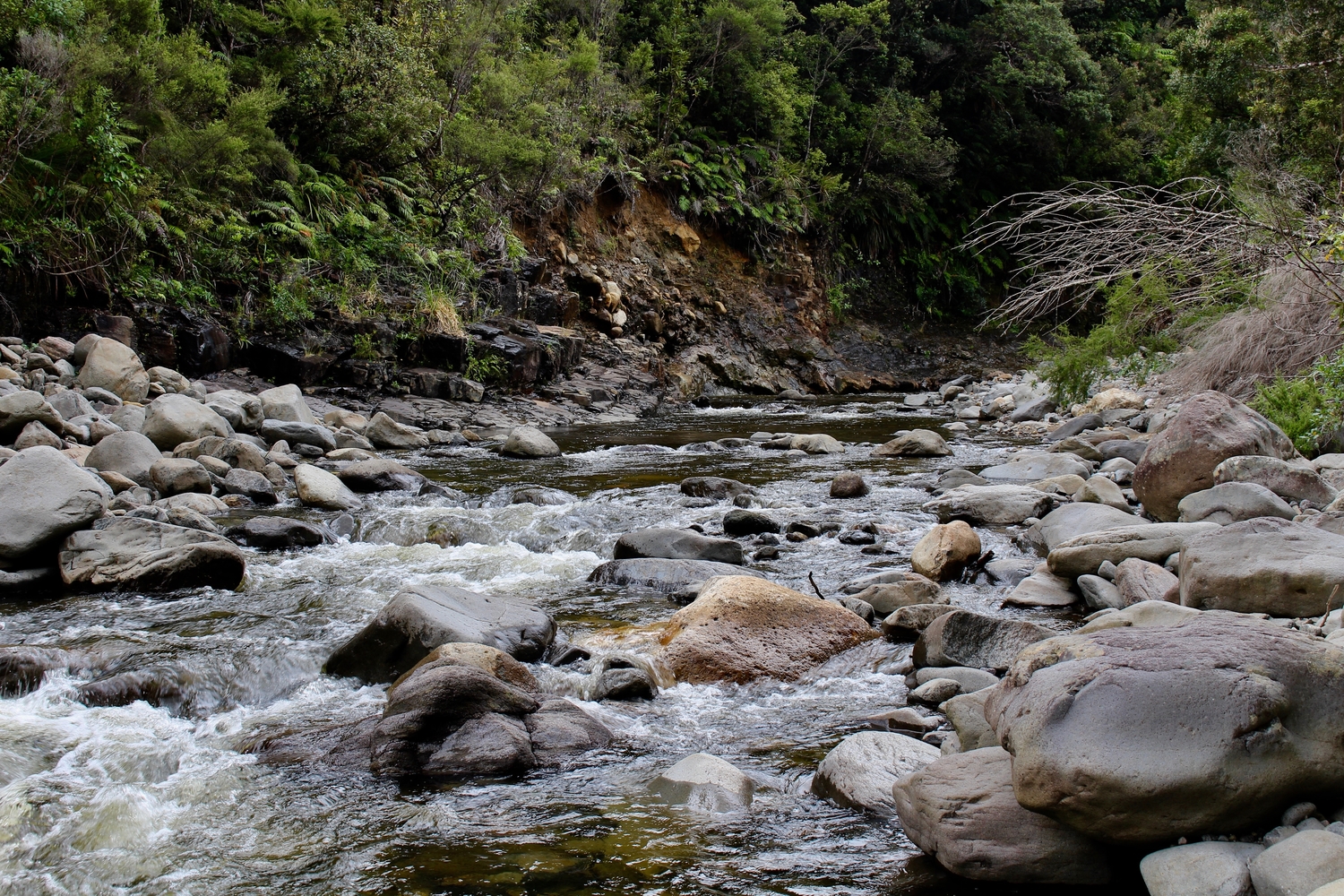
Collecting water from a clear stream, always purify before drinking.
Water ranks next since you can only last about three days without it. Guides teach spotting sources like streams flowing downhill or dew on plants. But raw water often carries bugs, so purification is key—boiling for a minute kills most pathogens.
This section’s logic ties to health: dehydration hits hard, clouding your thinking and weakening you. Popular methods include filters or tablets because they’re reliable. In a pinch, dig a solar still: a hole with plastic over it collects condensation.
- Look for running water over stagnant.
- Boil or use iodine if no fire.
- Collect rainwater or melt snow safely.
Starting and Maintaining Fire
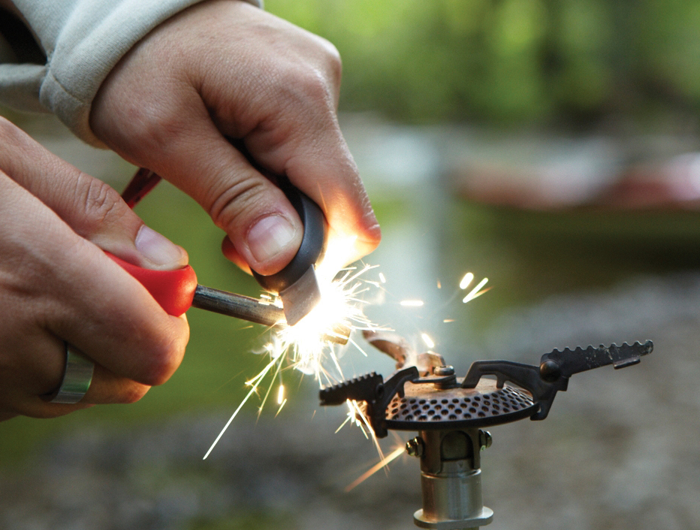
Using a ferro rod to spark tinder into flame.
Fire provides heat, cooks food, purifies water, and boosts morale. Guides cover tinder (dry grass), kindling (small sticks), and fuel (larger wood). Without matches? Friction methods like bow drills create embers, though they take practice.
Why prioritize this? Fire prevents hypothermia and signals rescuers. It’s popular in guides because it ties into comfort—nothing beats a campfire after a rough day. Always follow leave-no-trace rules to avoid wildfires.
- Gather dry materials first.
- Use a teepee structure for quick ignition.
- Tend it constantly to keep it going.
Foraging and Hunting for Food
Food comes last since you can survive weeks without it, but guides list edible plants, traps, and fishing tricks. Wild berries or nuts provide quick energy, while snares catch small game.
The reasoning: focus on easy, safe options to avoid poisoning. Popularity stems from the thrill of self-sufficiency, but guides warn against wasting energy on big hunts early on.
- Learn common edibles like dandelions.
- Set simple traps near animal trails.
- Cook everything to kill parasites.
Navigation and Signaling
Getting lost amplifies other risks, so maps, compasses, and GPS feature heavily. Guides teach reading terrain—follow rivers downhill—or using the sun’s position.
Logic: prevention beats cure. Signaling with mirrors or fires calls help. This is huge for hikers, as day trips often turn into overnights.
- Carry backups like a whistle.
- Mark your path with stones.
- Study stars for night direction.
First Aid and Health
Injuries happen, so kits with bandages, antiseptics, and pain relievers are musts. Guides cover treating cuts, sprains, or bites.
Why include this? Small issues escalate fast in the wild. Popular because it empowers you to self-treat until help arrives.
- Stop bleeding with pressure.
- Immobilize breaks.
- Know signs of hypothermia.
These components form the core because they address immediate threats logically, building from urgent to sustainment. Guides like those from the National Park Service emphasize the “10 Essentials,” including navigation tools, sun protection, insulation, illumination, first-aid supplies, fire starters, repair kits, extra food, hydration gear, and emergency shelters, for any outing.
Popular Nature Survival Guides and Books
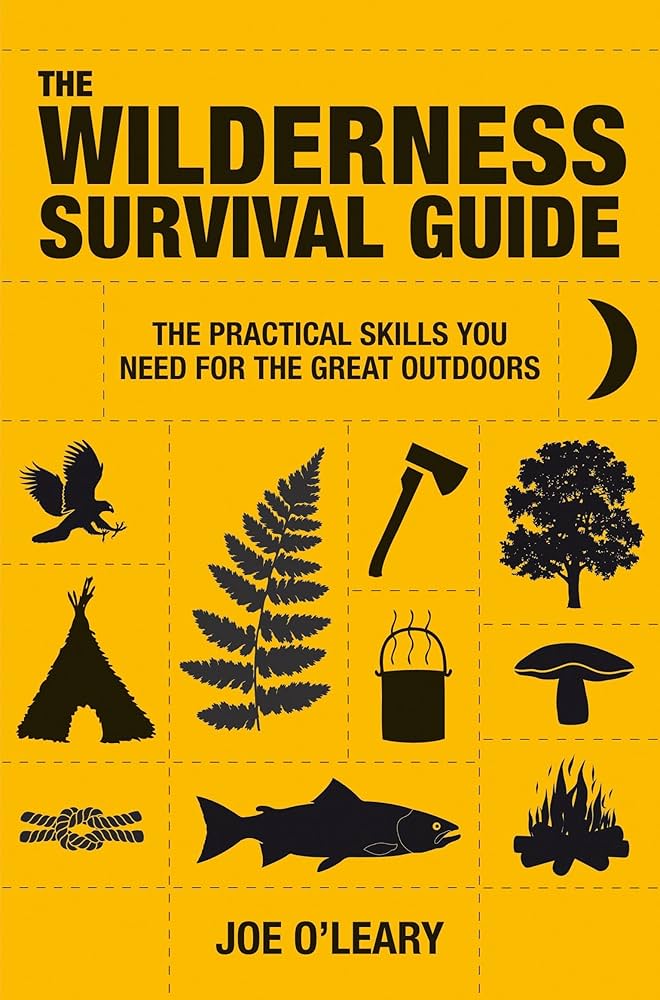
Certain books have become go-tos for their depth and readability. “SAS Survival Handbook” by John Wiseman tops lists for its military edge, covering global terrains with sketches—perfect for broad intros. It’s popular because Wiseman’s SAS background adds credibility, and it’s sold millions since 1986.
“Bushcraft 101” by Dave Canterbury focuses on long-term skills like trapping, appealing to bushcrafters. Its straightforward style makes it a favorite for hands-on learners.
“98.6 Degrees” by Cody Lundin stands out for prioritizing body temperature regulation with humor, making tough topics engaging. It’s recommended for short-term scenarios.
Other hits include “The Survival Handbook” by Colin Towell for clear pics and “THRIVE” by Juan Pablo Quiñonez for in-depth long-haul advice. These rank high on sites like Amazon because they balance info without overwhelming, suiting beginners to pros.
Why Nature Survival Guides Matter
Outdoor mishaps aren’t rare. From 2007 to 2023, U.S. national parks saw about 243 deaths yearly, with drowning (21%) and falls (11%) leading causes. Day hikers make up 42% of search-and-rescue cases, often from underestimating risks.
Guides cut these odds by teaching prep. Heat deaths outpace cold ones, hitting 76 vs. 46 in that period, showing climate’s role. With 312 million park visits in 2022, knowledge saves lives and resources—rescues can be dangerous and weather-dependent.
Beyond stats, guides foster respect for nature, turning trips into enriching experiences. They’re popular now as people seek escapes, but logic says they’re essential for safety.
Modern vs. Traditional Survival Approaches
Traditional methods, like bow-drill fires or plant-based medicines, connect to ancestors and work without tech. They’re popular for their purity but demand practice.
Modern takes blend in gear—water filters beat boiling, GPS aids maps. Apps identify plants, making info accessible. Logic: tech fails, so hybrids rule—carry backups.
Guides today mix both, like using drones for signaling alongside smoke fires, appealing to tech-savvy users while grounding in basics.
How to Choose and Use a Survival Guide
Pick one matching your needs—compact for packs, detailed for home study. Look for authors with real experience, like ex-military or instructors.
To use: read beforehand, practice skills in safe spots. Pack the guide or key notes. In emergencies, stay calm—guides stress mindset first.
Build a kit around the 10 Essentials, test it on short trips. Join classes for hands-on learning, as books alone aren’t enough.
Wrapping It Up
A nature survival guide isn’t just a book—it’s a toolkit for thriving where help isn’t close. From history’s explorers to today’s hikers, these resources save lives by turning knowledge into action. Whether you’re planning a hike or dreaming of off-grid living, grabbing one equips you for the unexpected. Stay prepared, respect the wild, and enjoy the journey.