
How to Identify Safe Firewood Types: Essential Tips for a Worry-Free Warmth
To identify safe firewood types, start by selecting well-seasoned hardwoods like oak, hickory, maple, ash, and birch. These woods burn cleanly and efficiently when properly dried, producing steady heat without excessive smoke or harmful fumes. Look for logs that are light in weight, show deep cracks at the ends, and make a sharp, hollow clunk when knocked together. Ensure the wood is free from chemicals, paint, mold, pests, or vines from toxic plants. Avoid unseasoned green wood, softwoods for indoor fires, treated lumber, rotten pieces, or species known to release irritants, such as poison ivy or oleander. This approach keeps your fires safe, efficient, and enjoyable.
Understanding What Makes Firewood Safe
Safety in firewood boils down to a few key factors that prevent health risks, fire hazards, and inefficient burning. First off, the wood must be dry—seasoned properly to reduce moisture content below 20 percent. Wet wood smokes heavily, builds up creosote in chimneys, and can lead to chimney fires. Beyond dryness, safe wood comes from non-toxic trees without chemical treatments or contaminants. Think about it: burning something laced with preservatives or pesticides releases toxins into your home air, which nobody wants.
From another angle, safe firewood supports environmental health too. Sustainably sourced wood from local forests reduces the spread of invasive pests, a growing concern in many areas. Popular choices among homeowners emphasize these traits because they deliver reliable performance. For instance, hardwoods dominate recommendations since they burn hotter and longer than softwoods, minimizing the need for constant reloading and reducing smoke output.
Signs of Well-Seasoned Firewood
Seasoning is the process where cut wood dries out over time, usually six months to two years depending on the species and climate. But how do you spot it without fancy tools? Visual checks are straightforward. Examine the log ends: seasoned wood shows radial cracks spreading from the center, a natural result of moisture loss shrinking the fibers.
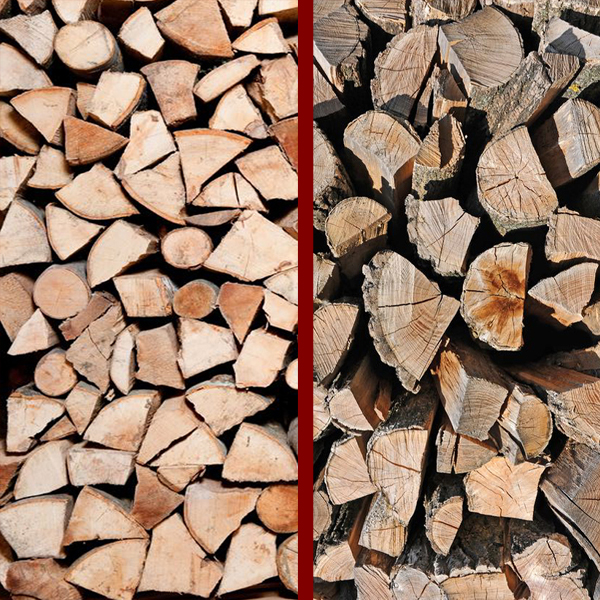
Color offers clues as well—the bark and exposed wood fade to grayish tones, losing the vibrant hues of fresh cuts. Pick up a piece; it should feel noticeably lighter than a green log of similar size because water weight evaporates during seasoning. A simple test: knock two splits together. A clear, ringing sound means dry wood; a dull thud suggests it’s still moist.
Logic here is practical—dry wood ignites easily and burns completely, cutting down on waste and pollution. In humid regions, stacking wood off the ground with good airflow speeds this up, a tip echoed in extension services across the country. If you’re buying, ask sellers about seasoning time; reputable ones season for at least a year.
Top Safe Firewood Types and Why They Excel
Hardwoods lead the pack for safe, effective burning due to their density and low resin content, which means less popping and sparking. Oak stands out as a favorite—it’s abundant in many parts of the U.S., burns slowly with high heat output, and leaves lasting coals for overnight warmth. Users often rank it top-tier for its reliability, especially in colder climates where sustained heat matters.
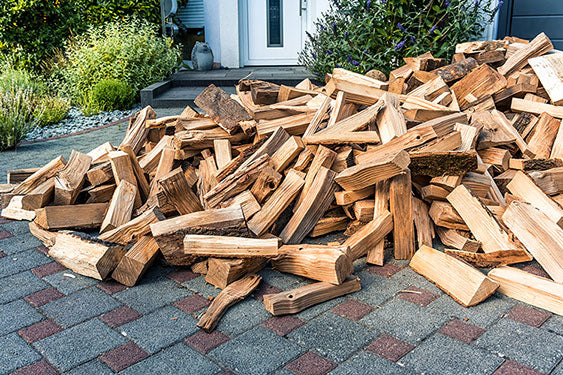
Hickory follows closely, prized for its intense heat and subtle smoky aroma that enhances fires without overwhelming. Maple and ash are easier to split and dry faster, making them practical for beginners. Birch, with its papery bark, doubles as excellent kindling while providing quick heat. These woods are popular because they balance ease of use with performance—oak might take longer to season, but its energy density pays off in fewer loads.
Softwoods like pine or cedar have their place, mainly outdoors or for starting fires, but indoors they creosote up flues faster due to higher sap levels. The reasoning? Resins combust incompletely, depositing sticky residues that heighten fire risks. Stick to hardwoods for home heating to stay safe.
Here’s a quick comparison of popular safe types:
| Wood Type | Heat Output | Burn Time | Ease of Splitting | Best For |
|---|---|---|---|---|
| Oak | High | Long | Moderate | Sustained heating |
| Hickory | Very High | Long | Hard | Intense fires |
| Maple | High | Medium | Easy | Everyday use |
| Ash | High | Medium | Easy | Quick drying |
| Birch | Medium | Short | Easy | Kindling and aroma |
This table draws from common user experiences and extension guides, showing why certain woods trend in forums and sales.
Woods to Steer Clear Of: The Unsafe List
Not all wood is created equal—some pose real dangers. Treated lumber, often used in construction, contains chemicals like arsenic or copper that vaporize when burned, leading to toxic inhalation. Painted or stained wood releases similar fumes, a no-go for indoor fires. Rotten or moldy logs? They burn poorly and can spread spores, aggravating respiratory issues.
Poisonous species demand extra caution. Burning poison ivy, oak, or sumac releases urushiol oils into smoke, causing severe allergic reactions even without direct contact. Oleander, yew, and Brazilian peppertree are outright toxic, with fumes that irritate lungs and eyes. Driftwood, soaked in saltwater, corrodes stove parts and emits chlorine gases.

The logic is health-focused: these woods introduce avoidable risks. Community discussions highlight cases where burning questionable wood led to hospital visits, reinforcing why experts advise against them. Always inspect for vines or unusual odors before stacking.
Regional Favorites: What Works Where
Firewood preferences shift with geography, tied to local availability and climate. In the Northeast, ash and maple thrive, valued for quick seasoning in variable weather. Oak dominates the Midwest for its heat in harsh winters. Southern states lean on hickory and pecan, adding flavor to outdoor cooking. Out West, madrone and Douglas fir are common, though hardwoods like oak import well.
This variety makes sense—using local wood cuts transport costs and pest risks. In arid areas, denser woods like mesquite provide intense burns without needing large volumes. Trends show birch surging in popularity up north for its fast dry time, while apple wood gains fans everywhere for its sweet scent. Adapting to your region ensures sustainability and safety.
Burning Safely: Practical Tips
Once you’ve identified safe wood, proper use seals the deal. Start fires with dry kindling, never accelerants like gasoline, to avoid flash fires. Keep stacks at least 20 feet from your home to prevent accidental spreads. Use a screen on fireplaces and clean chimneys annually to combat creosote buildup.
Indoor air quality matters—burn only in well-ventilated spaces with working smoke detectors. For wood stoves, follow manufacturer guidelines on load sizes. These habits reduce risks, as poor practices contribute to thousands of incidents yearly.
The Real Dangers: Stats and Stories
Home fires from heating equipment, including wood-burning, claim lives annually. Each year, about 3,000 people die in U.S. residential fires, many from smoke inhalation linked to improper fuel use. Wood smoke also pollutes indoors, exacerbating asthma and heart issues, with emissions from unseasoned wood worsening this.
Statistics from fire administrations show heating as a top cause of winter fires, often from creosote igniting. One report notes 15,209 home fires yearly from smoking materials, but wood-burning overlaps in risks. Real-life angles: families in rural areas rely on wood heat, but skipping safety checks leads to tragedies. Education flips this—proper identification cuts incidents dramatically.
Storing Your Firewood Right
Storage keeps safe wood safe. Stack off the ground on pallets or racks to promote airflow and deter pests. Cover the top but leave sides open for drying; full tarps trap moisture, inviting mold. Aim for stacks no taller than four feet to avoid collapses.
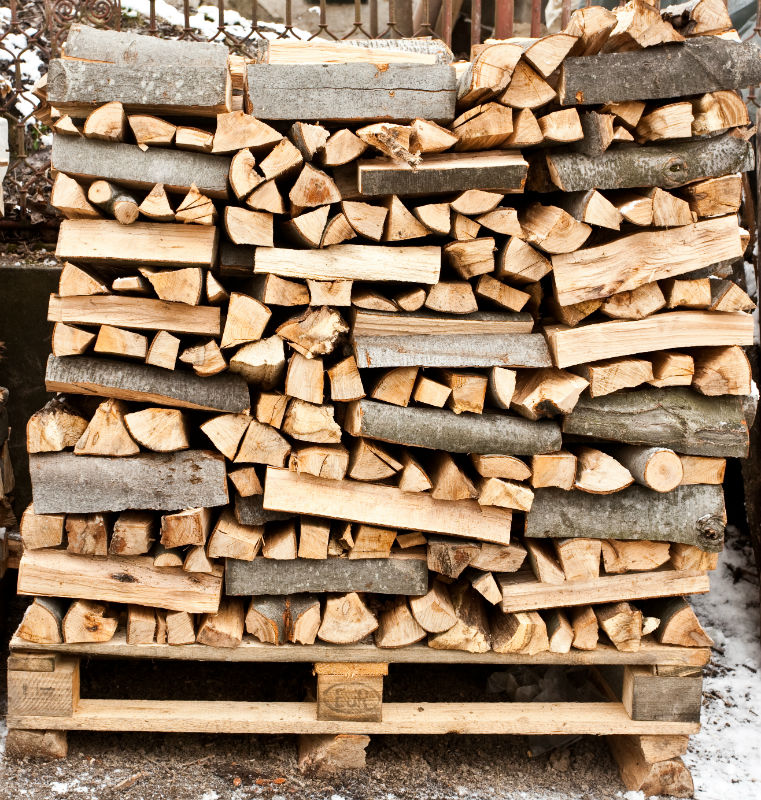
Place piles away from structures, ideally in sunny, windy spots. Rotate stock to use oldest first. This method preserves quality, ensuring your wood stays dry and ready. In wet climates, indoor storage for small batches works, but ventilate to prevent dampness.
Wrapping Up: Burn Smart for Lasting Comfort
Identifying safe firewood types ties everything together—choosing the right woods, checking for seasoning, and storing properly leads to cozy, hazard-free fires. Whether heating your home or enjoying a bonfire, these steps protect you, your family, and the environment. Next time you gather wood, remember: a little knowledge goes a long way in keeping things warm and secure.