
How to Dig a Safe Latrine in the Wilderness: Essential Tips for Responsible Outdoor Adventures
To dig a safe latrine in the wilderness, start by walking at least 200 feet away from any water sources, trails, or campsites. Use a trowel to dig a hole that’s 6-8 inches deep and 4-6 inches wide in soft, organic soil. Do your business in the hole, then cover it completely with the dug-out soil and disguise the spot with natural materials like leaves or sticks. Always pack out used toilet paper in a sealable bag to prevent contamination.
Why a Safe Latrine Matters in the Wild
Heading out into the backcountry means leaving behind the comforts of home, including flush toilets. But handling human waste properly isn’t just about convenience—it’s crucial for health, the environment, and respecting fellow adventurers. Improper disposal can lead to water pollution, spread diseases, and spoil pristine areas for others.
Think about it: more people are hitting the trails than ever before. In places like Glacier National Park in Montana, record visitor numbers have ramped up the amount of human waste left behind, creating real problems for park managers. This surge in outdoor activity highlights why simple practices like digging a proper latrine are gaining popularity among hikers, campers, and survivalists. It’s not just a trend; it’s backed by organizations like Leave No Trace, which promote seven principles to minimize impact on nature.
From a health angle, burying waste helps break it down naturally through soil microbes, reducing the risk of pathogens spreading to animals or people. Studies show that fecal matter can persist in soil for over a year if not handled right, potentially contaminating groundwater and causing illnesses. Environmentally, it prevents runoff into streams during rains or snowmelt, which could harm aquatic life. And socially, no one wants to stumble upon someone else’s mess—it ruins the wilderness experience. That’s why guides from REI and the Appalachian Trail Conservancy stress these methods as standard for anyone venturing off the grid.
By following these steps, you’re not only keeping yourself safe but also preserving the wild for future trips. It’s a small effort that pays off big in maintaining the beauty and integrity of natural spaces.
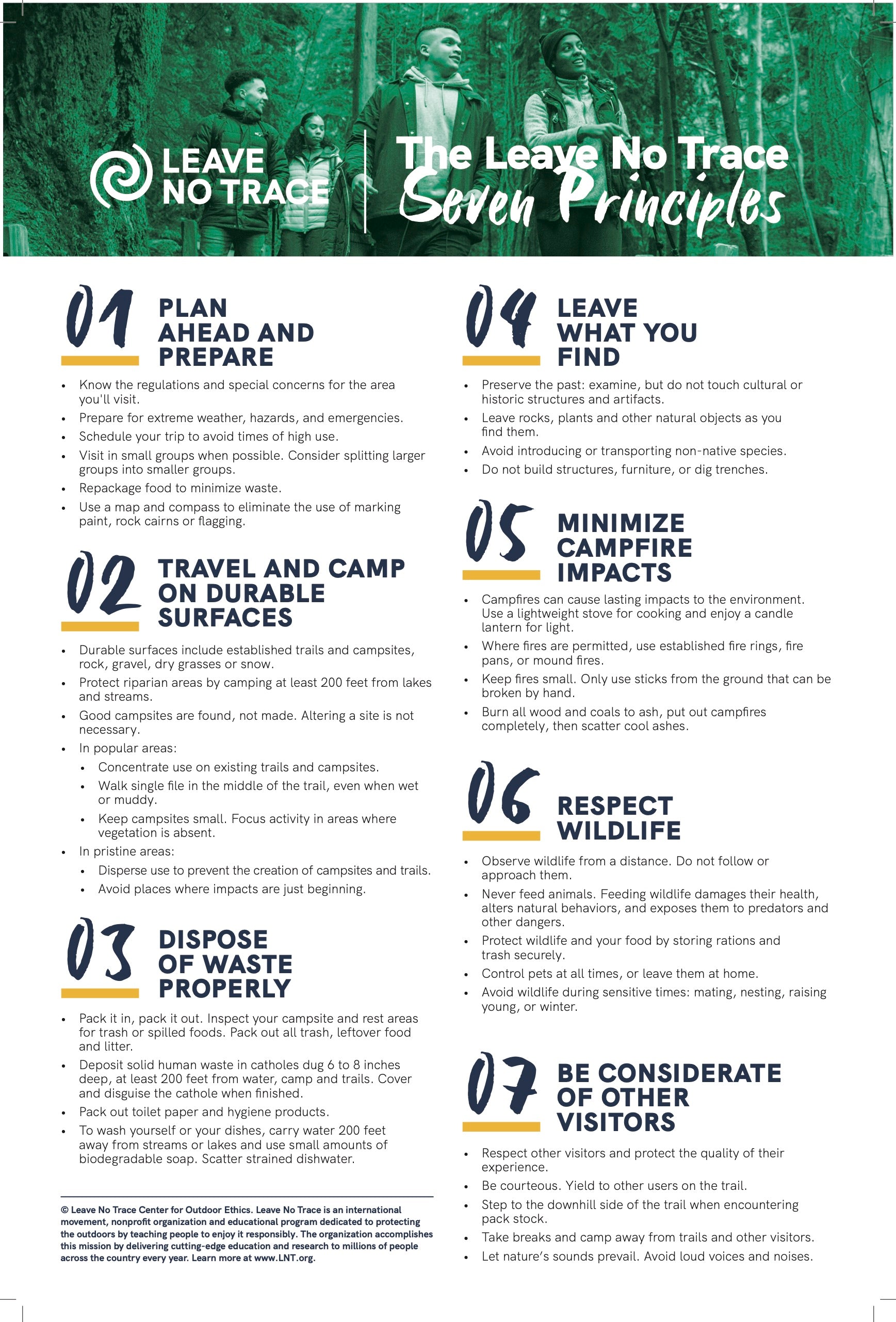
The Leave No Trace Seven Principles outline key ways to reduce your footprint in the outdoors.
Tools You’ll Need for the Job
You don’t need a full toolbox to dig a latrine, but the right gear makes it easier and more effective. The star of the show is a lightweight trowel, designed specifically for backcountry use. These are compact, often weighing under an ounce, and built to slice through roots and rocky soil without breaking. Popular options include titanium models for ultralight hikers or sturdy plastic ones for budget-conscious folks. Brands like The TentLab or GSI Outdoors get high marks in reviews for their durability and ease of use.
Beyond the trowel, pack these essentials:
- Toilet paper or wipes: Opt for biodegradable if you must bury it, but packing it out is better. Many now use a sealable plastic bag for this—it’s hygienic and follows modern best practices.
- Hand sanitizer: A small bottle to clean up after, preventing the spread of germs in camp.
- Zip-top bags: For packing out paper and any other waste; double-bag if needed to contain odors.
- Optional extras: A backcountry bidet attachment for water bottles can reduce paper use, or natural alternatives like smooth stones or leaves if you’re going minimalist.
If you’re in snowy or frozen ground, a snow stake can double as a digging tool. Avoid improvising with sticks or tent stakes—they often fail in tough dirt and can damage gear. Having the proper tools ensures you can dig quickly and discreetly, turning a necessary task into a no-fuss routine.
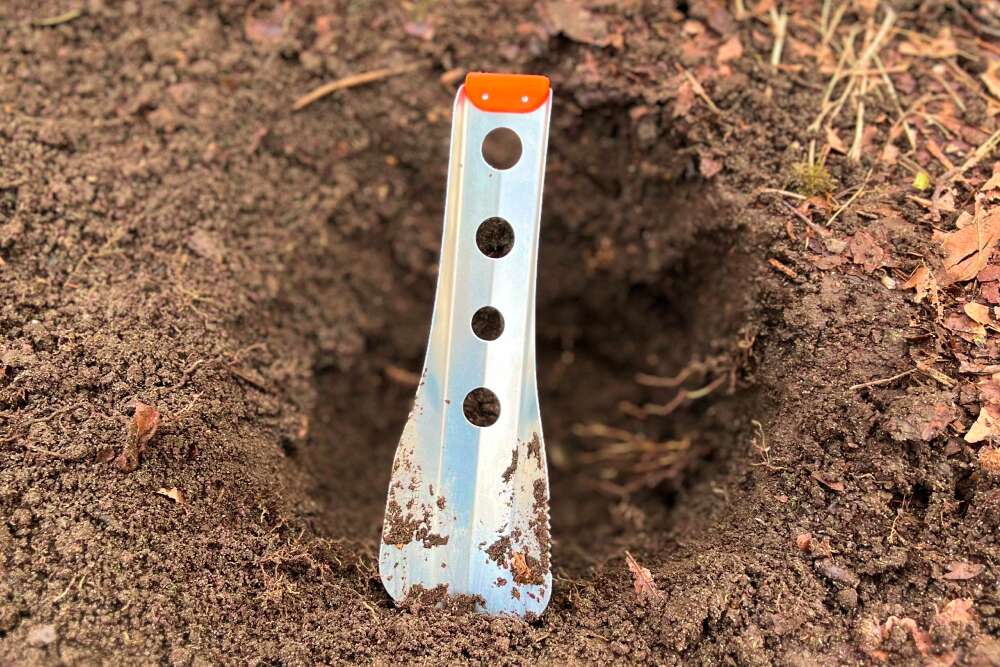
A lightweight trowel in action, perfect for creating a quick cathole.
Step-by-Step Guide to Digging Your Latrine
Let’s break it down into clear steps so you can handle this with confidence. This method, often called a “cathole,” is the go-to for most wilderness areas and aligns with Leave No Trace guidelines.
- Scout your spot: Walk about 70 steps (200 feet) from water, trails, and camps. Look for soft, dark soil that’s easy to dig—avoid rocky or root-filled areas.
- Dig the hole: Use your trowel to excavate a pit 6-8 inches deep and 4-6 inches across. Pile the soil nearby for easy covering later. In arid spots, go deeper if possible to aid decomposition.
- Do what you need to: Position yourself comfortably—squat, or use a log for support if available. Aim directly into the hole.
- Clean up: Use toilet paper sparingly, then place it in your pack-out bag. Stir the waste with a stick to mix it with soil, speeding up breakdown.
- Bury and disguise: Refill the hole with the soil, pat it down, and cover with leaves or twigs to blend in. No one should know you were there.
This process takes just a few minutes once you’re practiced. Videos from sources like the National Park Service demonstrate it visually, showing how simple it is to do right. In high-use areas, spreading out your sites prevents concentrated impact, a tip that’s popular among thru-hikers on trails like the Appalachian.
For urine, it’s different—pee on rocks or dirt away from water to minimize scent for animals. Women might find positions like the “seated hang” over a log helpful for stability. Always check local regulations; some parks require packing everything out.
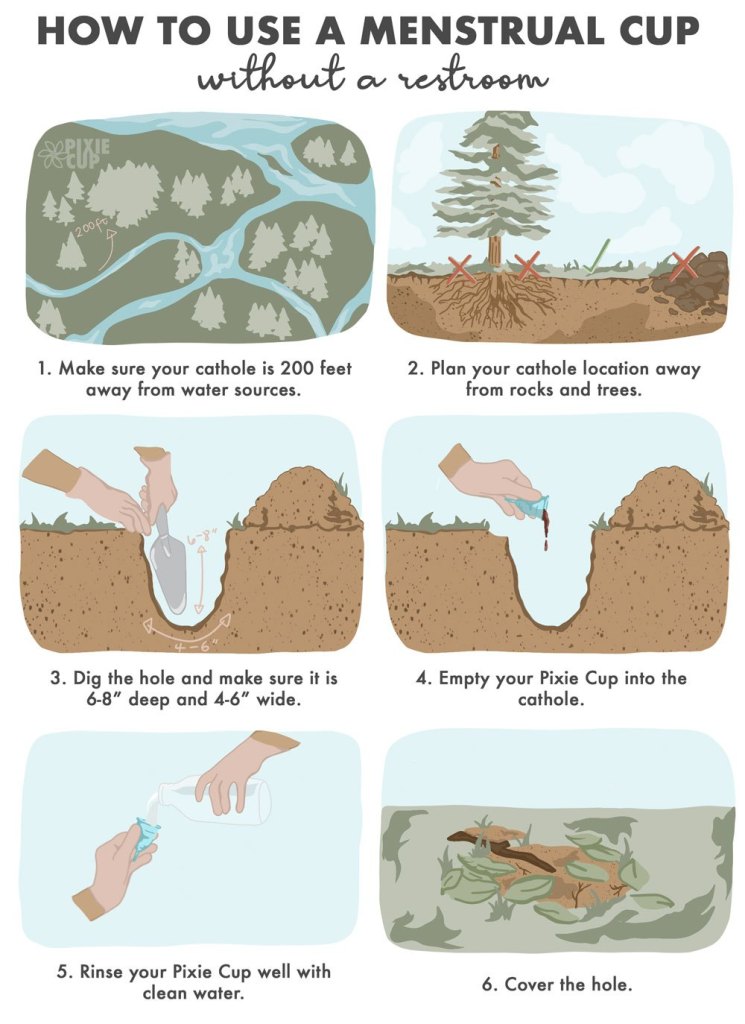
Step-by-step illustration of digging and using a cathole.
Choosing the Best Location
Location is everything when it comes to a safe latrine. The golden rule: stay 200 feet from water to avoid runoff contamination. This distance—about 70 adult paces—gives nature time to filter out harmful bacteria before it reaches streams or lakes.
Pick spots with good sunlight and healthy soil; these conditions help waste decompose faster due to active microbes. Avoid low-lying areas prone to flooding, which could expose your site. In forests, underbrush offers privacy, but don’t dig near tree roots—they make excavation tough and can damage plants.
In deserts or alpine zones, soil is often thin, so you might need to pack out waste instead. Popular advice from backpacking forums emphasizes scouting ahead to avoid surprises, especially in rocky terrains like New England trails. Logic here is straightforward: the right spot reduces environmental harm and keeps your camp clean.
Consider group dynamics too—if multiple people are using the area, space out holes to prevent overload in one place. This approach, logical for hygiene, is why rangers in busy parks push for it.
Safety and Health Tips
Staying safe while digging and using a latrine involves more than just the hole. Hygiene tops the list: always wash hands with soap or sanitizer afterward to dodge illnesses like giardia, which can spread through poor sanitation.
Watch for wildlife—bears or rodents might be attracted to scents, so proper burial is key. In bear country, some experts suggest adding a bit of dirt mix to mask odors. For personal safety, stable footing prevents slips; use a sturdy position, especially on slopes.
Women on periods should pack out tampons or use menstrual cups, rinsing them away from water. Overall, these practices cut disease risk—research links improper waste to gastrointestinal issues in outdoor settings.
Don’t forget mental prep: knowing how to do this boosts confidence, making trips more enjoyable. It’s why beginner guides stress practice at home first.
The Environmental Impact of Getting It Wrong
Skipping proper disposal has real consequences. Human waste can leach into groundwater, polluting sources used by wildlife and people. In protected areas, this contamination threatens ecosystems, with pathogens persisting long after.
Rising visitor numbers amplify the issue—in public lands, unmanaged poop is a growing problem, leading to trail closures or restrictions. For instance, in national parks, waste volume challenges rangers, shifting from pit toilets to vaults for environmental reasons.
Visually and aesthetically, surface waste deters hikers and harms animal behavior. The logic: burial allows natural breakdown, preventing these issues. Data from studies shows buried waste decomposes without broad contamination when done right. Choosing to dig properly is a direct way to counter these impacts.
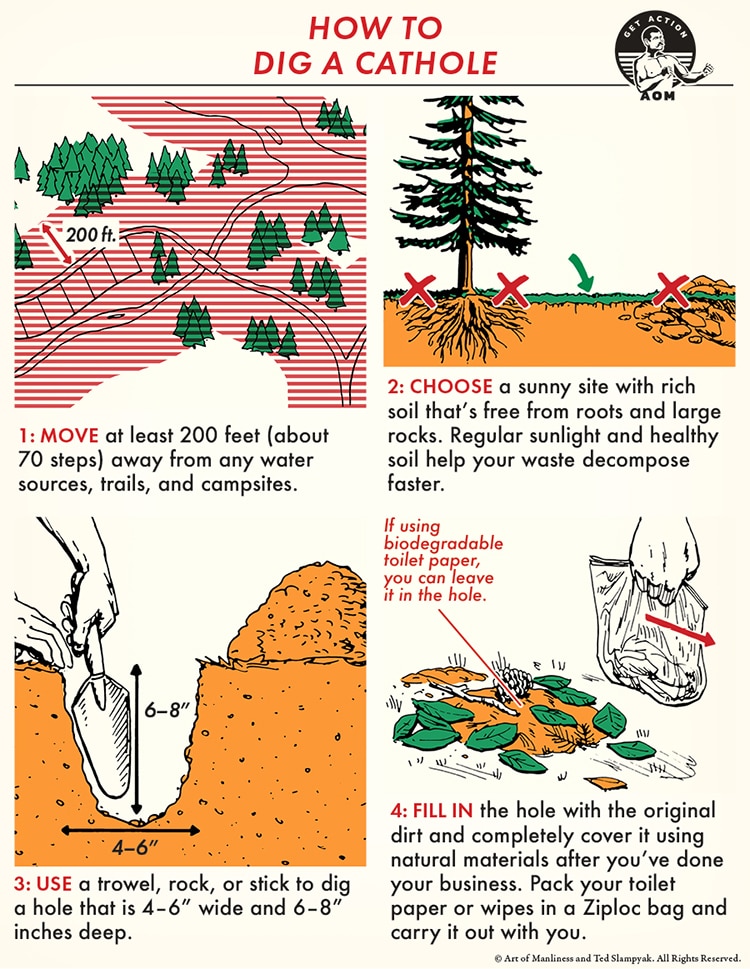
Detailed guide on selecting and digging a proper cathole.
Alternatives When Digging Isn’t Ideal
Sometimes digging isn’t feasible—like in fragile deserts or crowded sites. That’s where alternatives shine. Pack-out systems, such as WAG bags (Waste Alleviation and Gelling bags), contain waste with gelling agents to solidify and deodorize it. These are required in places like Mount Whitney or river corridors.
For groups, a shared latrine pit works: dig a larger trench, use it sequentially, and cover daily. Portable toilets, like bucket systems with urine diverters, suit base camps or van life.
Natural wipes like moss or snow reduce paper needs, a tip from mountaineers. Composting setups for longer stays turn waste into soil, but require maintenance. These options, popular in eco-conscious circles, provide flexibility while upholding no-trace ethics.
Extra Tips for Groups and Extended Trips
For group outings, assign a “waste manager” to coordinate sites and ensure everyone follows protocol. On long hikes, rotate locations to avoid overuse.
Pack extra bags for unexpected needs, and consider odor-proof sacks for multi-day treks. Hydration helps too—better digestion means easier management.
In winter, dig into snow but pack out if soil is frozen. These logical adjustments keep things smooth.
Wrapping It Up
Mastering a safe latrine in the wilderness keeps your adventures clean and responsible. With practice, it becomes second nature, letting you focus on the joy of the outdoors.