How to Avoid Ticks and Insects Outdoors: Proven Strategies to Stay Bite-Free
Spending time outside is great for your health, but ticks and insects like mosquitoes can turn a fun day into a nightmare. Here’s how you avoid them, straight to the point: Dress in long sleeves, long pants tucked into socks, and light-colored clothes to spot ticks easily. Apply EPA-registered repellents containing DEET, picaridin, or oil of lemon eucalyptus on skin and permethrin on gear. Stick to the center of trails, away from tall grass and brush. Check your body, clothes, and pets for ticks right after coming indoors, and shower within two hours. Keep your yard mowed, clear of leaf litter, and use barriers like gravel paths to reduce bug habitats.
Why Bother Avoiding Ticks and Insects? The Real Risks Involved
Ticks and insects aren’t just annoying—they can carry serious diseases. In the US, tick-borne illnesses like Lyme disease affect hundreds of thousands each year. Estimates suggest around 627,927 actual Lyme cases in 2024 alone, based on growth trends from previous years. From 2019 to 2022, health departments reported an average of 46,115 tick-borne disease cases annually to the CDC. States like Wisconsin and Connecticut see high rates, with over 100 cases per 100,000 people in some areas.
Mosquitoes spread threats too, such as West Nile virus, the most common mosquito-borne disease in the continental US. This year, there have been about 880 cases of West Nile reported. Malaria shows up in around 2,000 cases yearly, mostly from travelers. These numbers show why prevention matters: simple steps cut your risk dramatically, letting you enjoy nature without worry.
The logic here is clear—diseases from bites lead to doctor visits, treatments, and sometimes long-term health issues. By understanding the stakes, you’re more likely to follow through with protective habits. Popular advice from health experts focuses on this awareness because it motivates action, turning knowledge into routine.
Getting to Know Your Enemies: Ticks and Common Outdoor Insects
Ticks are tiny arachnids that latch on and feed on blood, often hiding in grass or leaves. Blacklegged ticks spread Lyme disease, while lone star ticks can cause alpha-gal syndrome, an allergy to red meat. Mosquitoes, those buzzing pests, thrive near water and bite to feed, transmitting viruses like West Nile or Zika.
Other insects like chiggers and fleas join the mix in wooded or grassy spots. Knowing their habits helps—ticks quest on vegetation, waiting for a host, while mosquitoes are drawn to carbon dioxide and sweat. This insight explains why staying covered and using barriers works so well.
From a popular angle, hikers and campers often share stories of close calls, emphasizing that awareness of bug types in your area (check local health sites) lets you tailor your defense. Logically, if you know ticks peak in spring and fall, you’ll prep accordingly, reducing surprises.
Prep Work Before Heading Out: Planning Your Defense
Before stepping outside, plan ahead. Check weather apps for bug activity—warm, humid days boost insect numbers. Research your location; apps like iNaturalist or local park sites highlight tick hotspots.
Pack essentials: repellent, long clothes, a tick removal tool (fine-tipped tweezers), and a mirror for checks. For families, involve kids in packing to teach them early.
This prep is popular among outdoor pros because it prevents last-minute scrambles. Logic validates it—being ready means fewer oversights, like forgetting repellent, which could lead to bites.
Dressing for Success: Clothing and Gear That Keeps Bugs at Bay
What you wear makes a huge difference. Opt for long-sleeved shirts, long pants, and closed-toe shoes. Tuck pants into socks and shirts into pants to block entry points. Light colors help spot ticks crawling up.
Treat clothes with permethrin, a pesticide that kills ticks on contact. It lasts through washes and is safe when dry. Buy pre-treated gear for convenience.
Hats and neck gaiters add layers, especially in dense areas. For gear, treat boots, tents, and backpacks too.
This approach is a hit with backpackers because it’s low-effort with high payoff. The logic? Bugs need skin access; covering up denies that, cutting bite risks by up to 90% in studies.
Repellents That Really Work: From Chemicals to Naturals
Repellents are your frontline defense. EPA-approved ones include DEET (20-30% concentration for hours of protection), picaridin, IR3535, oil of lemon eucalyptus (OLE), para-menthane-diol (PMD), and 2-undecanone. Apply to exposed skin, avoiding eyes and mouth.
For clothes, permethrin is king—it doesn’t go on skin but treats fabric.
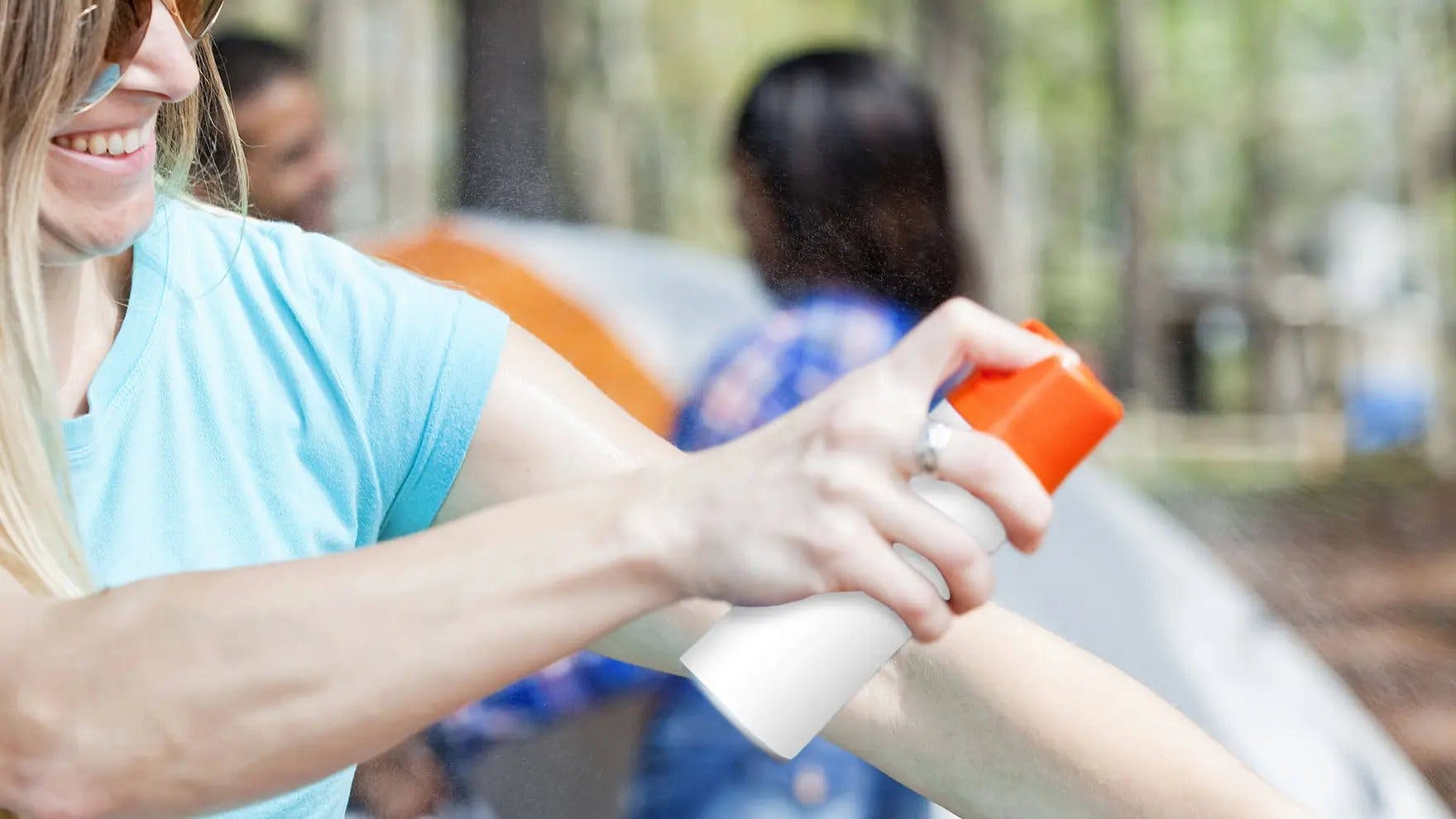
Proper way to apply insect repellent on arms.
Natural options? Essential oils like lemongrass, cedar, peppermint, thyme, and geraniol show promise in mixes. Plant lavender or mint in yards to deter bugs naturally. But remember, naturals often need more frequent reapplication and may not match DEET’s effectiveness.
Gardeners love natural methods for eco-friendliness, but logic says combine them with proven ones for best results—naturals alone might fall short in high-risk zones.
Apply sunscreen first, then repellent. Reapply after swimming or sweating.
On-the-Go Tactics: Staying Safe During Activities
While outdoors, stick to cleared paths—avoid bushwhacking through tall grass where ticks lurk. Walk in the trail center.
For picnics or camping, choose open areas over wooded edges. Use treated tents and screens.
If hiking with dogs, keep them leashed to avoid picking up ticks.
Campers swear by these habits because they minimize contact. Logically, bugs concentrate in certain habitats; steering clear reduces encounters.
Time activities wisely—mosquitoes peak at dawn and dusk, so midday outings help.
Coming Home: Checks and Cleanup to Catch Hitchhikers
Back indoors? Act fast. Shower within two hours to wash off loose ticks and lower Lyme risk.
Do a full body check: under arms, in ears, belly button, behind knees, hair, between legs, waist.
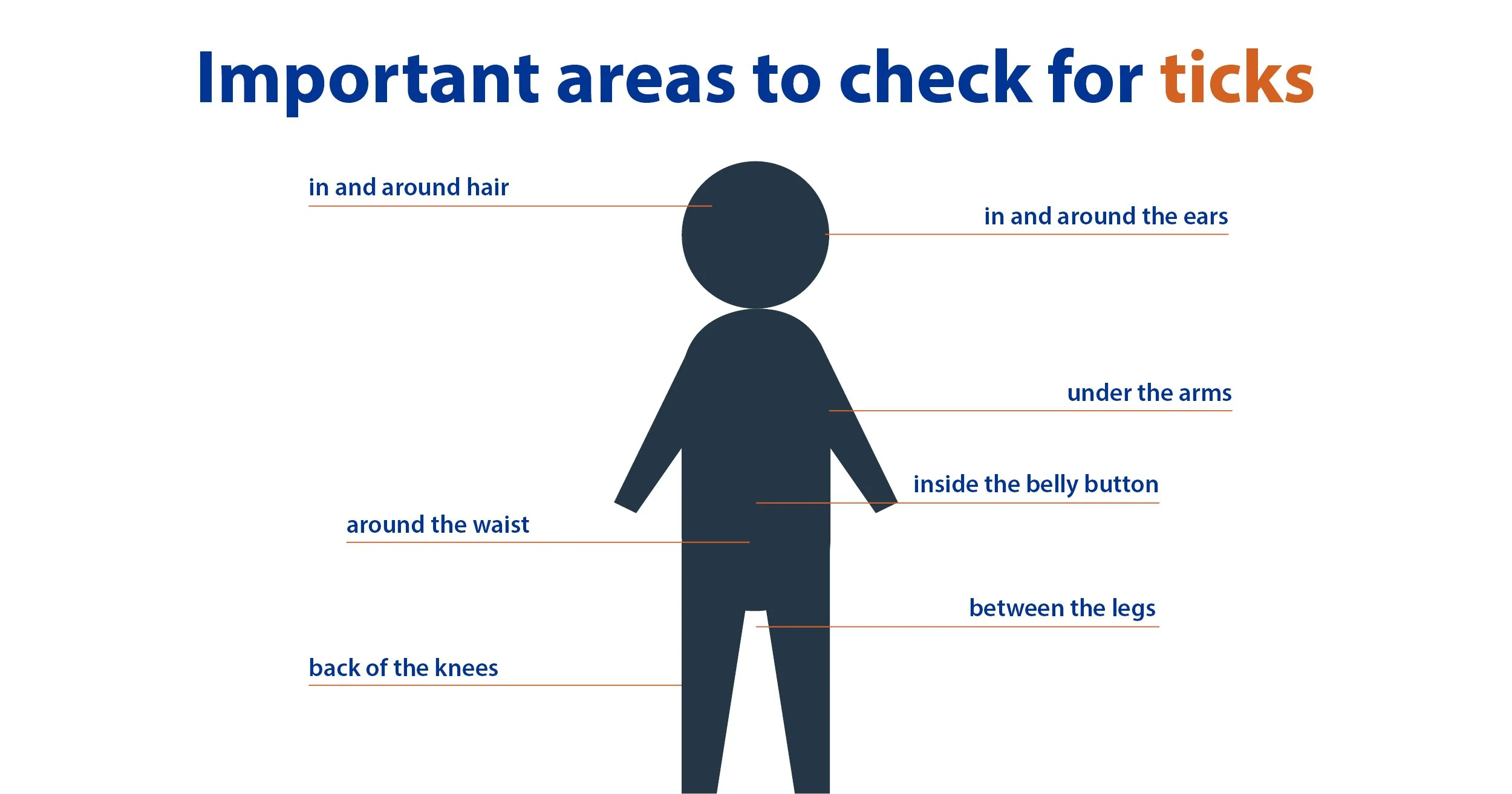
Key body areas to inspect for ticks after outdoor time.
Use a mirror or partner for hard spots. Check kids and pets too.
Tumble clothes in a hot dryer for 10 minutes to kill ticks. Wash if needed, but heat does the job.
This routine is popular in tick-prone areas because it’s simple and effective. Logic? Ticks take time to attach; quick checks remove them before they bite deep.
If you find a tick, remove with tweezers, grasping close to skin and pulling straight out. Clean the area.
Building a Bug-Resistant Yard: Home Base Protection
Your yard can be a safe haven or bug breeding ground. Mow grass short, clear leaf litter, and trim bushes.
Create barriers: a 3-foot gravel or wood chip path between lawn and woods stops ticks.
Stack wood neatly, away from play areas. Fence out deer and rodents, tick carriers.

Layout for a tick-safe yard with barriers and zones.
Plant bug-repelling herbs like mint or lavender.
Homeowners favor this because it cuts yard bites. Logically, reducing habitats means fewer bugs overall.
Apply yard pesticides carefully, following labels, or hire pros.
Extra Care for Kids, Pets, and Special Cases
Kids play hard, so dress them protectively and check often. Use kid-safe repellents (avoid OLE under 3).
Pets need flea/tick preventives—collars, spots-ons, or orals. Check fur after walks.
For pregnant folks or those with sensitivities, stick to EPA guidelines; DEET is safe when used right.
In different settings: for beach trips, focus on mosquitoes; woods, ticks. Adapt based on location.
Parents and pet owners highlight these tips because vulnerabilities vary. Logic? Tailored protection ensures everyone stays safe.
Busting Myths: What Not to Believe About Bug Prevention
Myths can lead you astray. Myth: Ticks jump from trees. Fact: They climb low vegetation, questing for hosts.
Myth: Natural repellents beat DEET. Fact: DEET and picaridin often outperform naturals.
Myth: You feel tick bites. Fact: Their saliva numbs, so bites go unnoticed.
Myth: Bugs only in summer. Fact: Ticks active year-round in mild climates.
Myth: Indoor pets safe. Fact: They can bring bugs in from short outings.
Debunking these is popular in health blogs because misinformation spreads fast. Logically, facts guide better choices, avoiding false security.
Wrapping It Up: Make Prevention a Habit
Avoiding ticks and insects outdoors boils down to smart prep, right gear, and consistent checks. Build these into your routine, and you’ll cut risks while enjoying nature.
Stay informed—bug patterns change with climate. If bitten and symptoms appear (fever, rash), see a doctor quick.
With these strategies, outdoor time stays fun and safe.