
How Do You Track Animals for Observation? Unveiling Proven Methods from Trails to Tech
To track animals for observation, you start by spotting natural signs like footprints, scat, or broken branches in their habitat, then advance to tools such as camera traps for remote monitoring, GPS collars for real-time location data, radio telemetry for movement patterns, or acoustic devices to capture sounds from elusive species—all while prioritizing minimal interference to keep the animals’ behavior natural.
Why Tracking Animals Matters in Today’s World
Wildlife observation isn’t just a hobby for nature lovers; it’s a cornerstone of conservation, research, and even land management. Whether you’re a biologist studying migration patterns or a landowner monitoring deer on your property, knowing how to track animals helps reveal hidden stories about ecosystems. Traditional methods rely on keen eyes and patience, while modern tech brings precision and scale. This blend allows us to gather data without constant human presence, reducing stress on the animals. Popular approaches have evolved because they balance effectiveness with ethics—think how camera traps have surged in use for their non-invasive nature, capturing everything from nocturnal predators to rare birds.
Transition areas between forests and fields often teem with activity, making them prime spots to begin. Here, diverse food sources and cover draw in herbivores, which in turn attract predators. Logic dictates starting with these “hotspots” since animals follow the path of least resistance, creating predictable trails. Over time, this builds a fuller picture of population health and habitat needs.
Traditional Tracking: Reading the Landscape Like a Book
Before gadgets took over, trackers honed skills in interpreting subtle clues left behind. This hands-on approach remains popular among field guides and educators because it’s accessible, requiring no equipment beyond a notebook and binoculars. It teaches patience and sharpens observation, validating why it’s still taught in programs like those at New England Botanic Garden.
Spotting Footprints and Tracks
Footprints offer direct evidence of an animal’s passage. Look for size, shape, and gait— the pattern of movement. For instance, diagonal walkers like deer place opposite feet together, creating a straight line of prints. In soft mud or snow, details like claw marks emerge: cats retract claws, leaving rounded pads, while dogs show them clearly.
Clear animal footprints in mud, a classic sign for trackers.
To identify species, measure stride (distance between same-side prints) and straddle (width between left and right). Rabbits bound with rear feet landing ahead of front ones, forming clustered groups. Aging tracks matters too—fresh ones have sharp edges, while older prints soften from wind or rain. This method shines in varied terrains, as mud preserves details better than dry soil, explaining its popularity in wetland studies.
- Tips for beginners: Use sideheading—tilt your head low with light behind the track to spot compressions in grass.
- Common pitfalls: Confusing similar prints, like coyote versus dog; coyotes have more oval shapes with aligned toes.
Resources like the Outdoor Action Guide emphasize practicing in controlled plots to learn aging, boosting accuracy to within hours.
Decoding Scat and Other Signs
Scat reveals diet and health. Herbivores produce pellet-like droppings in winter from woody browse, shifting to mushier forms in summer. Carnivores leave tubular shapes with hair or bones—dissect carefully with tweezers to identify prey. Shapes help: tear-drop for cats, M&M-sized for rabbits.
Other signs include rubs (polished branches from passage), gnaws (45-degree cuts by rodents), and beds (flattened grass for resting). These build a narrative: a trail with fresh scat suggests recent activity, logical for predicting where to set up observations. In small woodlands, focusing on snags or streams uncovers nests and burrows, as these provide shelter.
This method’s appeal lies in its low impact— no chasing required, just quiet interpretation. It’s why scouts and hunters favor it for real-world application.
Visual Surveys and Field Notes
Walking transects or driving slowly lets you spot animals directly. Note time, location, and behavior: a deer browsing edges indicates feeding zones. Binoculars extend reach, spotting distant birds or mammals without approach. This builds baselines over seasons, validating changes like population shifts from habitat loss.
Advantages include immediacy—no waiting for data downloads. But it misses nocturnal species, hence its pairing with other techniques.
Modern Tech: Bringing Precision to Wildlife Monitoring
Tech has revolutionized tracking, allowing remote data collection on vast scales. GPS and telemetry dominate because they provide real-time insights into migration and home ranges, crucial for conservation amid habitat fragmentation. Camera traps have exploded in popularity for their affordability and ease, with over 14 million records on platforms like Wildlife Insights.
Radio Telemetry and GPS Collars
Radio tags emit signals triangulated by receivers, tracking movement without visuals. GPS upgrades add satellite precision, logging positions hourly. Collars on elephants or wolves reveal routes, speed, and even elevation—key for understanding climate impacts.
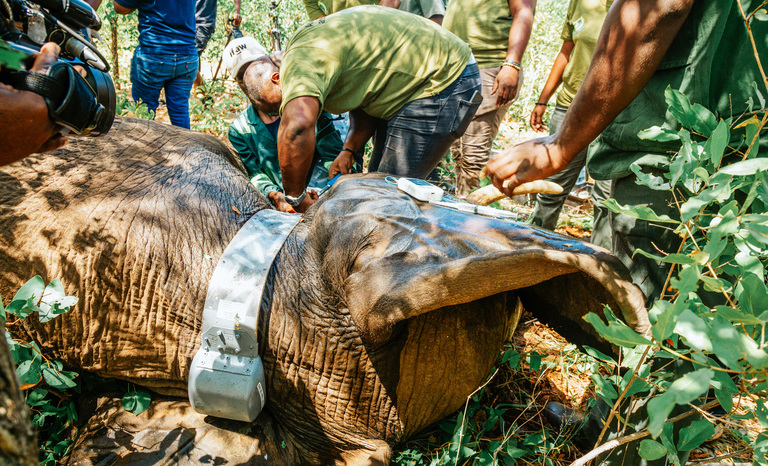
An elephant fitted with a GPS collar for long-term monitoring.
Logic here: Animals move unpredictably, so collars capture data passively. Drawbacks include weight—devices must be under 5% of body mass to avoid burden. Success stories show collars aiding anti-poaching, as in Kenya’s elephant studies by Cynthia Moss.
Camera Traps for Hidden Views
These motion-triggered cameras snap photos or videos day and night. Set along trails or water sources, they document shy species like leopards or owls. Infrared avoids flashes, keeping animals unaware.
Popularity stems from versatility: identify individuals via spots or scars, estimate populations. In forests, they reveal biodiversity hotspots. Setup tips: Mount at knee height for mammals, check batteries monthly. Disadvantages? Wind-triggered false positives, but software filters them.
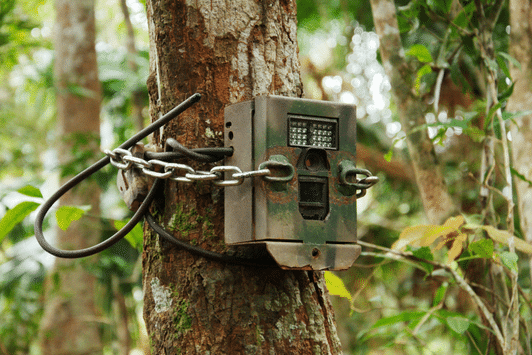
A camera trap secured in a forest, ready to capture wildlife.
Studies in small woodlands praise them for minimal disturbance, capturing evidence where visual surveys fail.
Acoustic Monitoring and Beyond
Devices like bat detectors record ultrasonic calls, identifying species by frequency. For birds, song meters log dawn choruses, mapping territories.
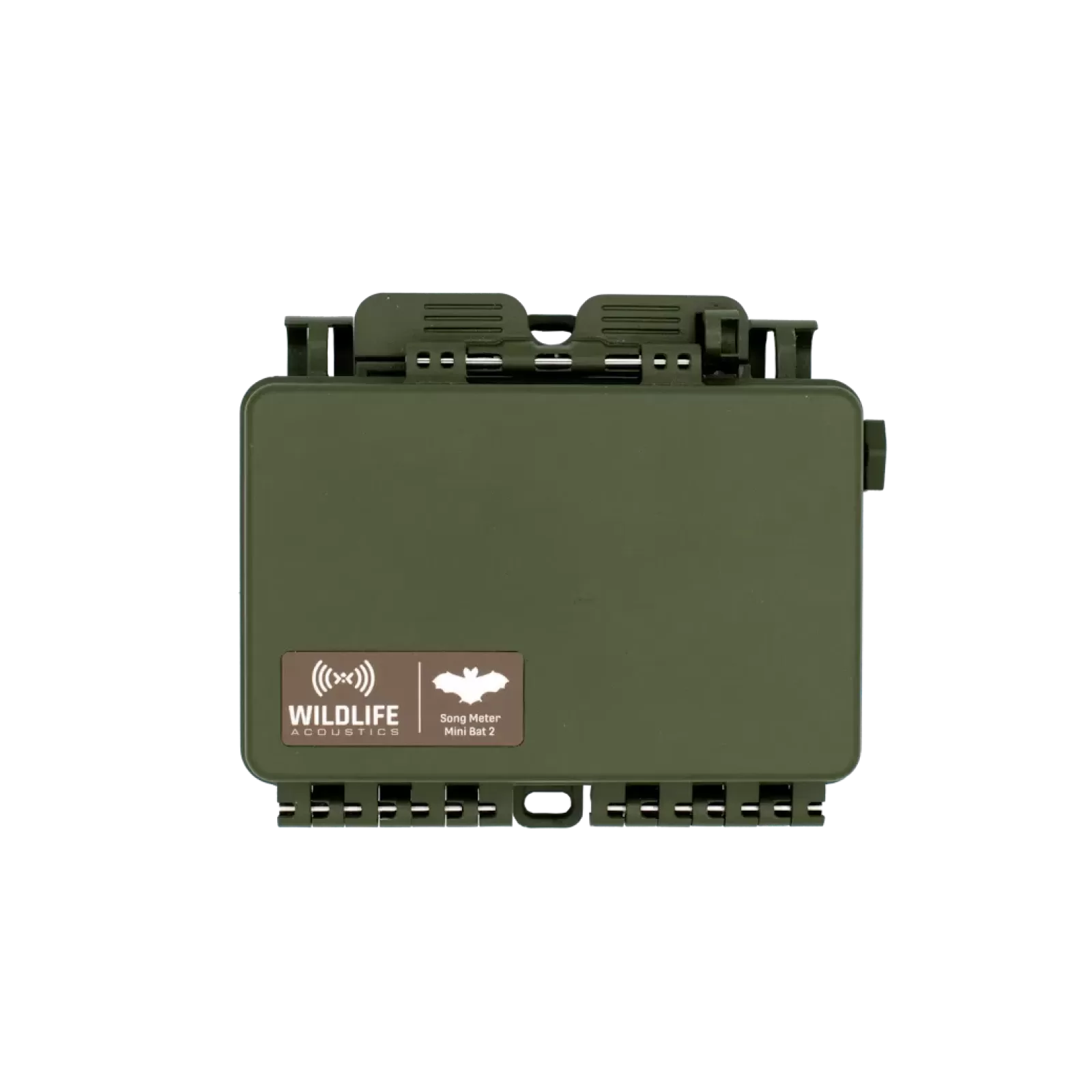
An acoustic recorder designed for monitoring bats and birds.
This tech excels for vocal animals, filling gaps in visual methods. Drones add aerial views for herds, while AI analyzes footage, spotting patterns faster. Validation: Acoustics cover large areas passively, ideal for rainforests where visibility is low.
Ethical Considerations: Balancing Knowledge and Welfare
Tracking must prioritize animal well-being. Invasive methods like collaring require sedation, risking stress or injury—hence the push for lighter tags. Non-invasive options like camera traps minimize contact, aligning with welfare ethics.
Key debates include data privacy: Sharing locations could aid poachers, so encrypt transmissions. Equitable access matters too—tech shouldn’t exclude local communities. Guidelines stress “do no harm,” like avoiding sensitive breeding seasons. Logic: Stressed animals alter behavior, skewing data, so ethics ensure reliable science.
Observe from afar, never bait or pursue. For photographers, respect space to prevent habituation, which endangers wildlife.
Real-World Wins: Case Studies in Action
Success stories highlight tracking’s impact. In Zimbabwe, GPS collars on elephants tracked cross-border movements, informing protected corridors and reducing human-elephant conflicts.
Australia’s koala surveys used drones and AI to count populations in bushlands, aiding recovery post-fires. Camera traps in the Amazon documented jaguar densities, guiding reserves.
Polar bear ear tags, a breakthrough, track males and young without collars, revealing sea ice adaptations. These validate tech’s role in conservation wins, like rebounding species through informed policies.
Looking Ahead: Emerging Trends in Tracking
Future tech promises smaller, smarter devices. ICARUS aims for 1-gram tags on insects, using space stations for global coverage. AI integration will predict outbreaks via real-time data, acting as pandemic early warnings.
Bluetooth beacons on phones could crowdsource urban wildlife data. Trends favor integration: Combining GPS with bio-sensors for health metrics. This evolution makes tracking more inclusive, from pros to citizen scientists.
Wrapping Up: Start Your Tracking Journey
Tracking animals blends art and science, offering insights that protect our wild world. Begin simple—explore a local trail for signs—then layer in tech as needed. Always respect the creatures you’re observing; that’s the true mark of a skilled tracker.