How Do I Find Safe Drinking Water in Nature?
To find safe drinking water in nature, start by seeking out moving sources like streams, rivers, or springs in low-lying areas where water naturally collects, such as valleys or near dense vegetation. Avoid stagnant pools or anything that looks murky or smells off. Once you locate a source, purify the water through boiling for at least one minute, using a portable filter, or adding chemical treatments like iodine tablets to kill off harmful bacteria, viruses, and parasites. This approach keeps you hydrated without risking illness from contaminants.
Why Finding Safe Water Is Critical
Staying hydrated keeps your body functioning, but drinking bad water can lead to serious health issues. Waterborne illnesses hit hard in remote areas where medical help is far away. For example, pathogens like Giardia or Cryptosporidium cause diarrhea, cramps, and dehydration that can ruin a trip or worse.
Statistics show the real danger. In the United States, over 7 million cases of waterborne illnesses occur each year from various exposures, including recreational water, with around 90 million illnesses tied to recreational contact alone. Cryptosporidiosis and giardiasis make up more than half of reported recreational waterborne cases. In Montana during 2024, 60% of reported cryptosporidiosis and giardiasis cases linked back to recreational water or untreated sources. These numbers underline why treating water isn’t optional—it’s a basic survival step.
People often underestimate risks because clear water looks clean. But looks deceive; invisible microbes from animal waste or runoff lurk even in pristine spots. Prioritizing safe water prevents these problems, letting you focus on enjoying the outdoors.
Spotting Reliable Water Sources in the Wilderness
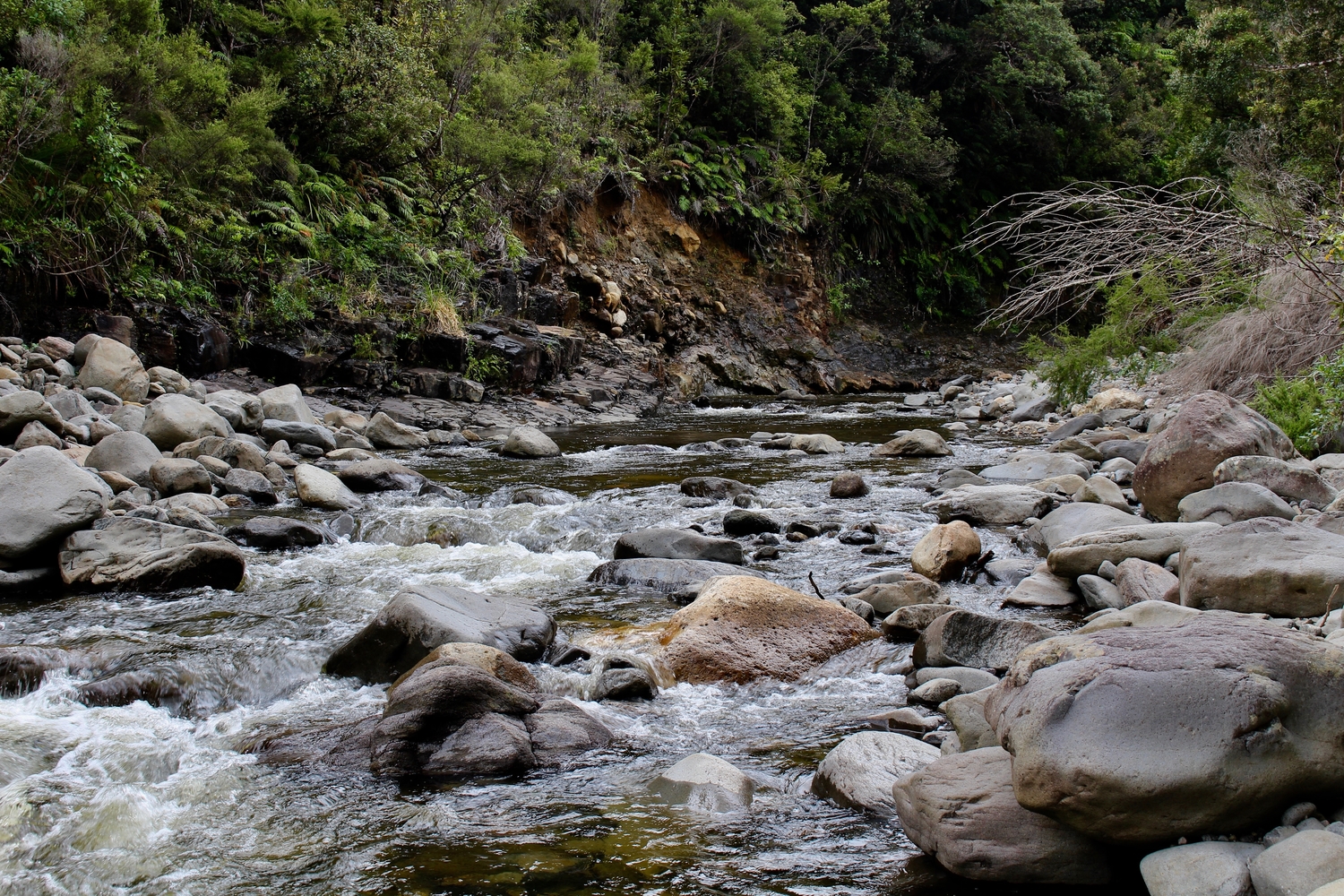
A clear stream in a forested area, ideal for sourcing water if purified properly.
Water hides in plain sight if you know where to look. Low areas like valleys and ravines pull water downhill, making them prime spots. Running water in streams or rivers tops the list because movement helps dilute contaminants and adds oxygen, reducing bacterial growth compared to still water.
Springs offer another solid option. These bubble up from underground, often filtering through soil and rock layers that remove some impurities naturally. In places like the Ozark National Scenic Riverways, springs provide some of the cleanest untreated water around, though purification is still key.
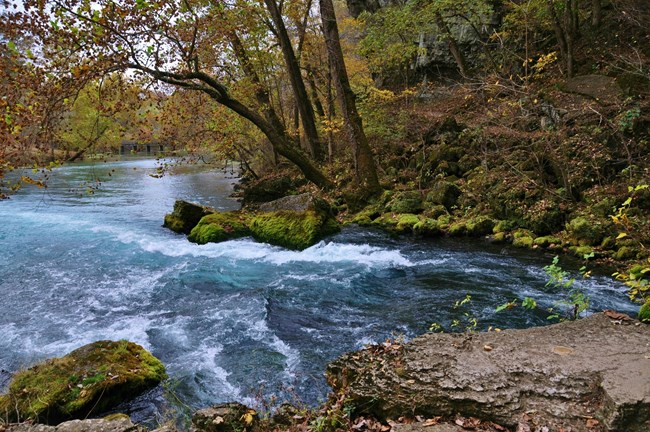
A natural spring emerging in a wooded setting, often a safer starting point for water collection.
Rainwater catches on quickly in wet climates. Collect it from leaves or use a tarp to funnel it into a container. It’s usually free of ground contaminants but can pick up dirt from surfaces, so treat it anyway.
For drier areas, watch for signs of hidden water. Lush green plants or animal tracks converging point to moisture. Digging in dry riverbeds might reveal groundwater seeping up. In deserts, cactus pulp or vines can yield liquid, but know which plants are safe—some are toxic.
Logic here is simple: nature signals water through life. Where plants thrive or animals gather, water likely exists. This method has saved hikers for generations, as seen in survival stories from places like the Pacific Crest Trail.
Evaluating Water Before You Collect It
Not all water is equal. Clear, flowing water beats cloudy or stagnant every time. Scan upstream for pollution sources like dead animals or campsites—these introduce bacteria fast.
Smell and taste offer clues, but don’t sip untreated water to check. Foul odors mean trouble. In high-use areas, even remote streams carry risks from human or wildlife waste.
Consider the environment. Mountain streams might be safer than lowland rivers near farms, where runoff adds chemicals. The National Park Service advises collecting from moving water or the top layer of lakes, avoiding bottom sediment. This reduces intake of settled contaminants.
If water looks off, move on. Better to search longer than risk sickness.
Proven Ways to Purify Water
Common purification techniques including boiling and filtration for safe drinking.
Purification turns risky water drinkable. Boiling stands out as the simplest and most effective. Heat water to a rolling boil for one minute (or three at high altitudes) to kill bacteria, viruses, and parasites. It’s reliable because heat destroys pathogens without fail, as backed by CDC guidelines for outdoor use.
Filtration through portable devices like pump filters or straws removes larger threats. These catch protozoa and bacteria but might miss viruses, so combine with other methods in high-risk areas. LifeStraw or Sawyer filters are popular for their ease and effectiveness on trails.
Chemical treatments, such as iodine or chlorine dioxide tablets, disinfect without fire. Drop a tablet in, wait 30 minutes to four hours depending on the product, and it’s ready. They’re lightweight for backpacking, though they can leave a taste—neutralizing drops help.
UV light pens zap microbes with ultraviolet rays. Stir the water for a minute under the light, and it’s purified. Great for clear water, but murky sources need pre-filtering.
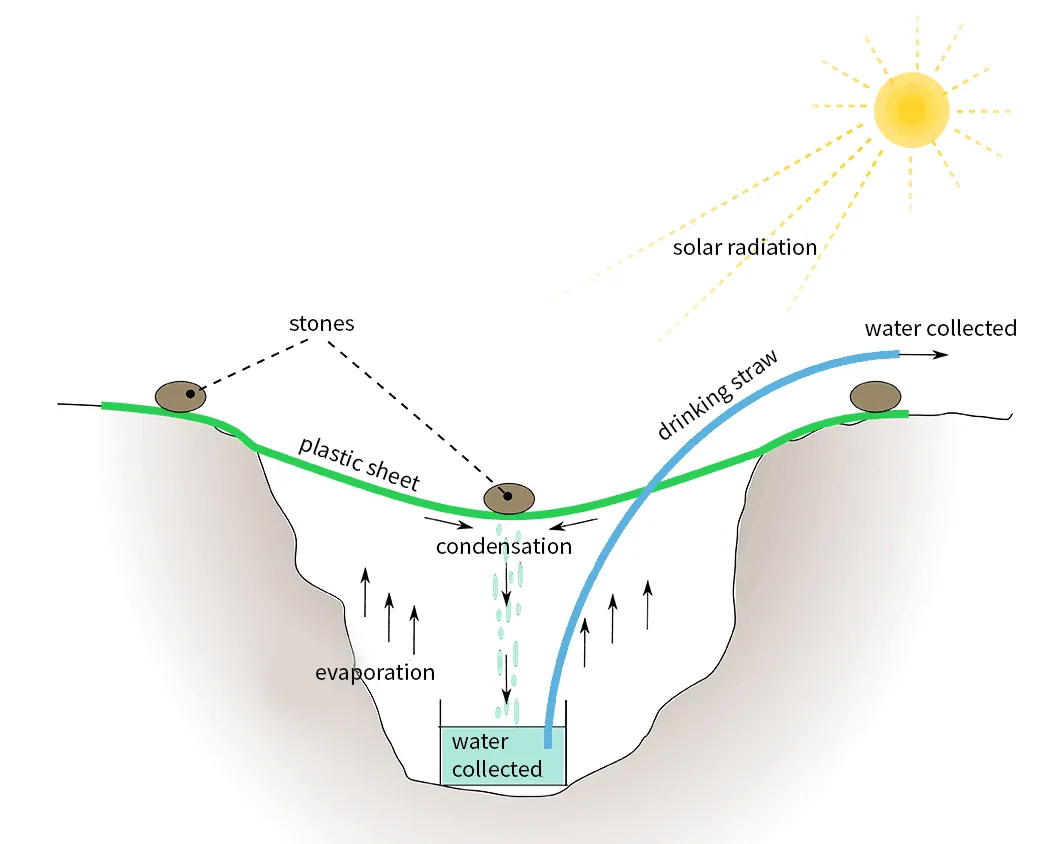
A solar still setup using evaporation and condensation to purify water.
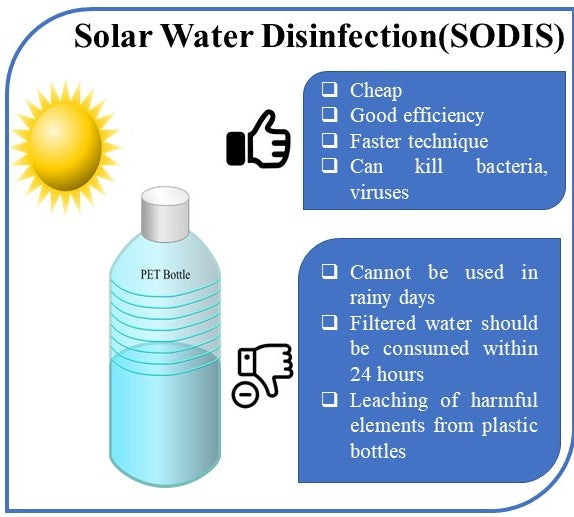
Solar methods shine in sunny spots. Solar disinfection (SODIS) fills clear plastic bottles with water and leaves them in direct sun for six hours. UV rays from the sun kill off germs. For distillation, dig a hole, place a container in the center, cover with plastic, and weigh down the edges. Sun evaporates water, which condenses on the plastic and drips clean into the cup.
Each method fits different scenarios. Boiling works anywhere with fuel, while solar suits arid zones. Mixing them boosts safety, like filtering then boiling.
Gear That Makes Purification Easier
Pack smart to stay prepared. A portable filter like a Katadyn or MSR pump handles group needs. For solo trips, a filter straw slips into any pocket.
Chemical tablets or drops from brands like Aquamira weigh nothing and last years. A lightweight pot or metal cup for boiling fits in any pack.
UV devices like SteriPEN run on batteries—carry extras. For long hauls, a collapsible water bag holds treated batches.
This gear turns uncertainty into routine, letting you hydrate confidently.
Mistakes That Can Cost You
Many folks skip purification thinking “it looks clean.” But outbreaks, like those on the Colorado River, show even remote water carries risks.
Drinking from stagnant pools invites trouble—movement matters. Ignoring upstream contaminants, like animal carcasses, spreads disease.
Over-relying on one method fails if conditions change. For instance, filters clog in murky water, so have backups.
Poor hygiene amplifies issues. Wash hands before handling water to avoid re-contaminating it.
Avoid these by planning ahead and treating every source.
No-Gear Emergency Tricks
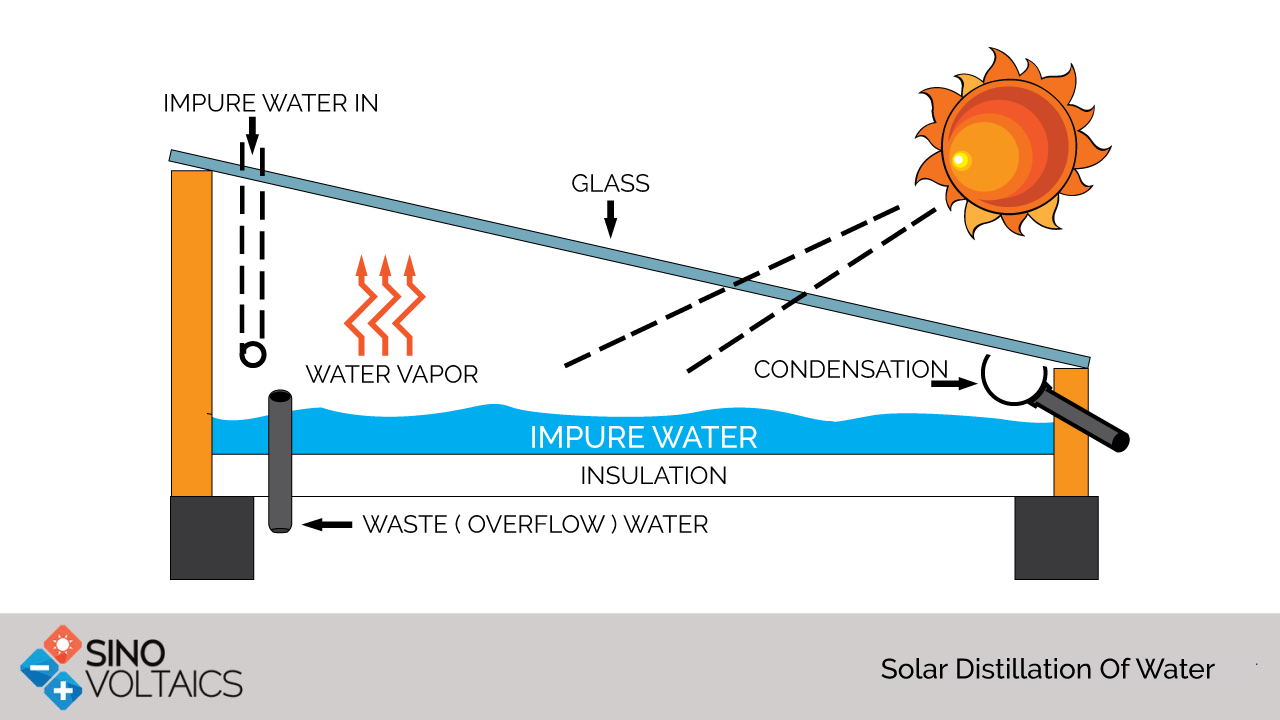
Diagram of solar distillation process for emergency water purification.
Stuck without tools? Build a solar still as described earlier—it’s slow but works.
Tie a plastic bag around a leafy branch for transpiration. Plants release moisture that collects inside.
Filter through cloth or sand layers to remove debris, then boil if you can start a fire.
These aren’t ideal but buy time until better options appear.
Wrapping It Up
Finding and purifying water keeps adventures going. Scout smart, purify thoroughly, and stay healthy. With practice, it becomes second nature.