How Do I Avoid Dangerous Animals and Insect Threats?
To steer clear of dangerous animals and insect threats, focus on prevention: research the wildlife in your area, make noise while hiking or camping to avoid surprising animals, wear long sleeves and pants treated with permethrin, apply EPA-registered insect repellents like DEET, store food and trash securely away from your site, stick to marked trails, and travel in groups. If you spot an animal, back away slowly without running or turning your back, and for insects, check your body regularly after outdoor activities.
Understanding the Risks: Why Awareness Matters
Staying safe around wildlife and insects starts with knowing what you’re up against. Most encounters happen because people stumble into an animal’s space without realizing it, or they attract insects through simple oversights like leaving skin exposed. In the U.S., animal-related fatalities are rare but do occur—between 2018 and 2023, there were 1,604 such deaths, averaging about 267 per year. That’s a crude death rate of just 0.808 per 1 million people, but the numbers have been climbing, up 38% from 2018 to 2023.
The biggest culprits? Hornets, wasps, and bees led with 497 deaths (31%), followed by other mammals like horses and cattle at 458 (28.6%), and dogs at 420 (26.2%). Venomous snakes and spiders account for fewer, at 30 and 26 deaths respectively over those years. Internationally, large carnivores cause around 5,089 reported attacks from 2000 to 2017, with a third being fatal.
These stats show that everyday animals pose more risk than dramatic ones like bears or sharks. Brown bears, for instance, have killed at least 70 people in North America over the last 50 years, making them the top dangerous wild animal there. But overall, attacks are uncommon—wildlife usually wants to avoid you as much as you want to avoid them. The logic here is simple: knowledge reduces fear and helps you prepare, turning potential dangers into manageable situations.
Insects add another layer, spreading diseases like Lyme from ticks or Zika from mosquitoes. Bites might not kill outright, but they can lead to serious health issues if ignored. Prevention beats treatment every time.
General Prevention Strategies for Animals and Insects
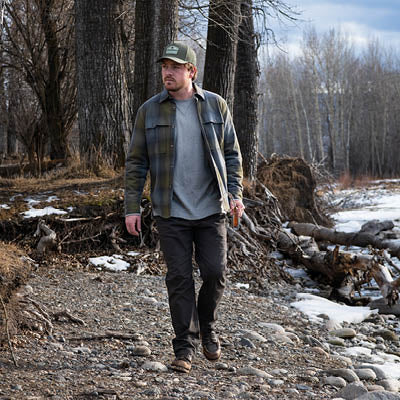
Wearing long sleeves and pants helps protect against both insects and brush that might hide animals.
Before diving into specifics, some broad steps apply whether you’re dealing with a bear or a bee. First, research your location. Heading to a national park? Check park websites for wildlife alerts. Urban areas have their own issues, like coyotes in city parks.
Dress smart: long pants, long sleeves, and closed-toe shoes shield you from bites, stings, and scratches. Tuck pants into socks to block ticks. Light colors make it easier to spot insects on you. Treat clothes with 0.5% permethrin—it kills bugs on contact and lasts through washes.
Make noise. Talking, whistling, or clapping alerts animals to your presence so they can move away. This is huge in bear country or dense woods. Travel in groups—animals are less likely to approach multiple people.
Store food right. Use bear-proof containers or hang bags high in trees. Never leave trash out; it draws everything from raccoons to bears. In campsites, clean up crumbs and seal garbage tightly.
For insects, avoid scented products like perfumes—they attract bugs. Stay away from standing water where mosquitoes breed. These habits work because they minimize attraction and exposure, cutting risks without much effort.
Avoiding Specific Dangerous Animals
Different animals need tailored approaches, based on their behaviors. Here’s how to handle common ones, drawing from popular outdoor guides and expert advice.
Bears: Make Noise and Store Food Securely
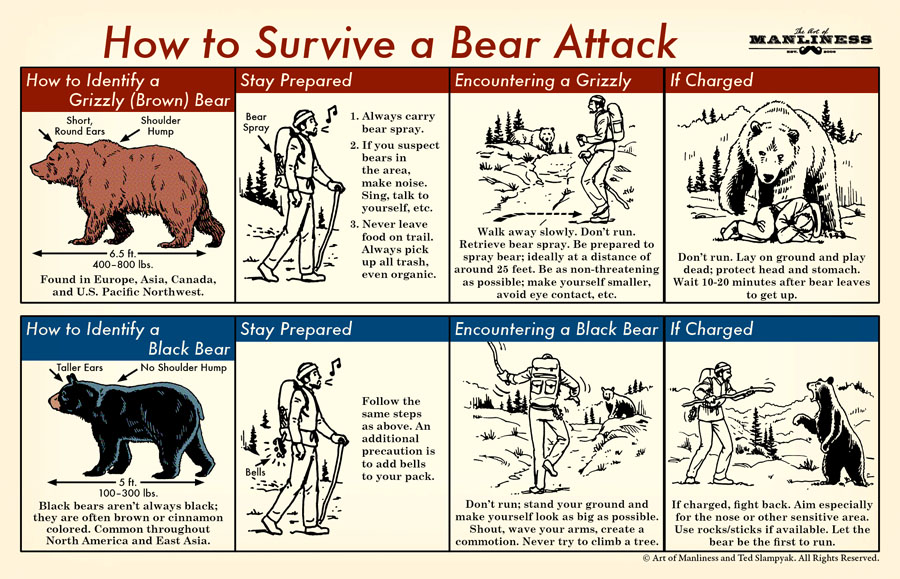
Make yourself look bigger during a bear encounter to deter an attack.
Bears top many people’s worry lists, especially in places like national parks. To avoid them, hike during daylight, stick to trails, and sing or talk loudly—bears hate surprises. Avoid berry patches or streams with fish, as those are feeding spots.
If you see one at a distance, back away slowly without running. For grizzlies, play dead if attacked: lie on your stomach, protect your neck. With black bears, fight back—aim for the face. Carry bear spray and know how to use it.
This works because bears are often just curious or defending food/cubs, not hunting humans. Proper storage prevents them from associating people with meals.
Snakes: Watch Your Step and Give Space
Snakes strike when threatened, so prevention means not startling them. Wear boots and long pants in snake-prone areas, step on logs instead of over them, and use a stick to probe ahead. Avoid tall grass or rocky piles.
If you see one, freeze, then back away slowly. Never try to handle or kill it—that’s when most bites happen. If bitten, stay calm, immobilize the area, and get medical help fast. No cutting or sucking venom.
Logic: Snakes rely on camouflage, so visibility and distance keep you safe. Venomous bites are defensive, not aggressive.
Sharks: Swim Smart in the Ocean
Shark attacks are rare, but in coastal areas, swim in groups during daylight, avoid bleeding in water, and skip shiny jewelry that mimics fish scales. Stay out at dawn or dusk when they’re active.
If one approaches, exit calmly without splashing. If attacked, hit the nose, eyes, or gills hard.
This approach makes sense because most “attacks” are mistaken identity—sharks bite to test, then leave if you’re not prey.
Alligators: Keep Distance from Water Edges
In southern states, alligators lurk in swamps and lakes. Avoid swimming at night, keep pets leashed away from water, and don’t feed them—it makes them bold.
If charged, run in a straight line—they’re fast but tire quickly. If grabbed, gouge the eyes to force release.
Reasoning: Alligators ambush from water, so staying back and not attracting them prevents issues.
Other Animals: Bison, Coyotes, and More
For bison in parks like Yellowstone, stay 25 yards away and in your car if possible. If charged, run—they won’t pursue far.
Coyotes in urban spots: make yourself big and noisy if one approaches. Secure trash to avoid drawing them.
Moose: back away if seen; if charged, hide behind a tree.
These tactics align with animal behaviors—herbivores charge to defend, predators test boundaries.
Tackling Insect Threats: Bites and Stings
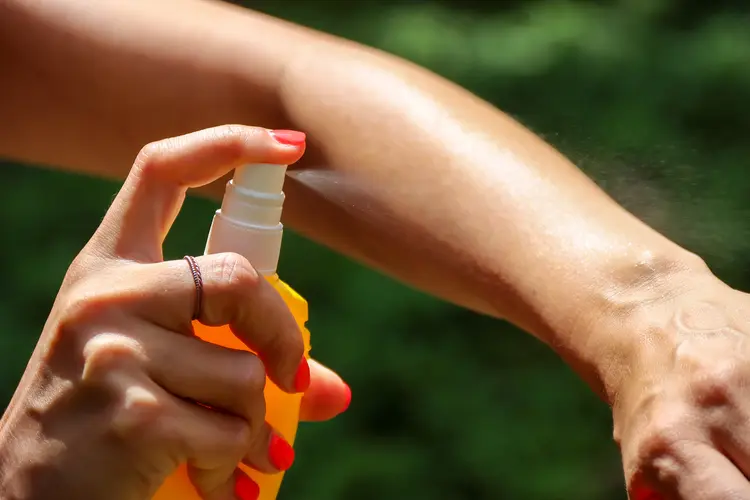
Apply repellent to exposed skin for effective protection against bites.
Insects might seem small, but they pack a punch with diseases and allergic reactions. General rule: cover up and use repellents.
Mosquitoes: Repel and Eliminate Breeding Spots
Mosquitoes spread malaria, dengue, and more. Use DEET (20-30%), picaridin, or oil of lemon eucalyptus on skin. Sleep under permethrin-treated nets if outdoors. Dump standing water around your home.
Avoid dawn and dusk outings. This disrupts their feeding cycle, reducing bites.
Ticks: Check and Remove Promptly
:max_bytes(150000):strip_icc()/HowtoRemoveaTick-final-d7031e92dcd740ac80a556c79add7ca1.png)
Use tweezers to remove ticks by pulling straight out.
Ticks carry Lyme disease. Walk trail centers, avoid brushy areas. After outdoors, shower within two hours, check body thoroughly—armpits, hair, groin. Dry clothes on high heat to kill any.
If attached, grasp with tweezers near skin, pull steadily. Early removal prevents disease transmission.
Spiders and Scorpions: Shake Out Gear
Most spiders aren’t dangerous, but black widows or brown recluses can be. Shake shoes and clothes before wearing, especially in garages or woodpiles.
If bitten, clean the area, apply ice, and seek help if symptoms worsen. Avoidance through cleanliness keeps them at bay.
Bees, Wasps, and Hornets: Stay Calm and Covered
Don’t swat—walk away calmly. Cover sweet drinks outdoors. Wear shoes to avoid stepping on them.
If stung, remove stinger by scraping, wash, and use ice. Allergic? Carry an EpiPen.
These insects react to threats, so non-aggressive behavior minimizes stings.
Safety in Different Environments
National Parks and Wilderness
Follow park rules: leashed dogs, no feeding wildlife. Use air-conditioned lodging or screened tents. Even low human activity affects animals, so minimize impact.
Urban Areas
City wildlife like coyotes or rats thrive on trash. Secure bins, keep pets inside at night. Use motion lights to deter. Coexistence means not inviting them in.
What to Do If Things Go Wrong
If attacked, prioritize escape or defense based on the animal. For insects, treat bites with soap, water, and anti-itch cream. Seek medical help for severe reactions.
Preparation turns scares into stories. Stay informed, stay safe.