How to survive a storm? Your Ultimate Guide
To survive a storm, stay indoors in the sturdiest part of your home away from windows and doors, have an emergency kit ready with at least three days’ worth of water, non-perishable food, medications, and a battery-powered radio, monitor weather alerts closely, and avoid venturing out until authorities declare it safe—focusing on preparation, caution during the event, and careful recovery afterward.
Why Being Ready for Storms Saves Lives
Storms can strike with little warning, turning everyday life upside down. From fierce winds to heavy rains, they bring risks that go beyond the immediate blast. Preparation isn’t just smart; it’s essential because many storm-related dangers are avoidable with the right steps.
Consider this: Weather events in the U.S. cause hundreds of deaths and thousands of injuries each year. Between 2014 and 2023, Texas alone saw 772 deaths and 3,418 injuries from severe weather. Nationally, storms like hurricanes, tornadoes, and floods contribute to these numbers, but studies show that excess deaths from tropical cyclones can reach 7,000 to 11,000 per event, far beyond the initial reports of direct fatalities. These figures highlight how post-storm issues, like power outages or contaminated water, often claim more lives than the storm itself.
The logic here is straightforward—storms disrupt power, roads, and services, leaving people isolated. By planning ahead, you reduce reliance on outside help that’s often delayed. Popular advice from experts at the National Weather Service and Red Cross emphasizes this, as it empowers individuals in regions prone to frequent weather events, like the Midwest for tornadoes or coastal areas for hurricanes.
Decoding the Different Types of Storms
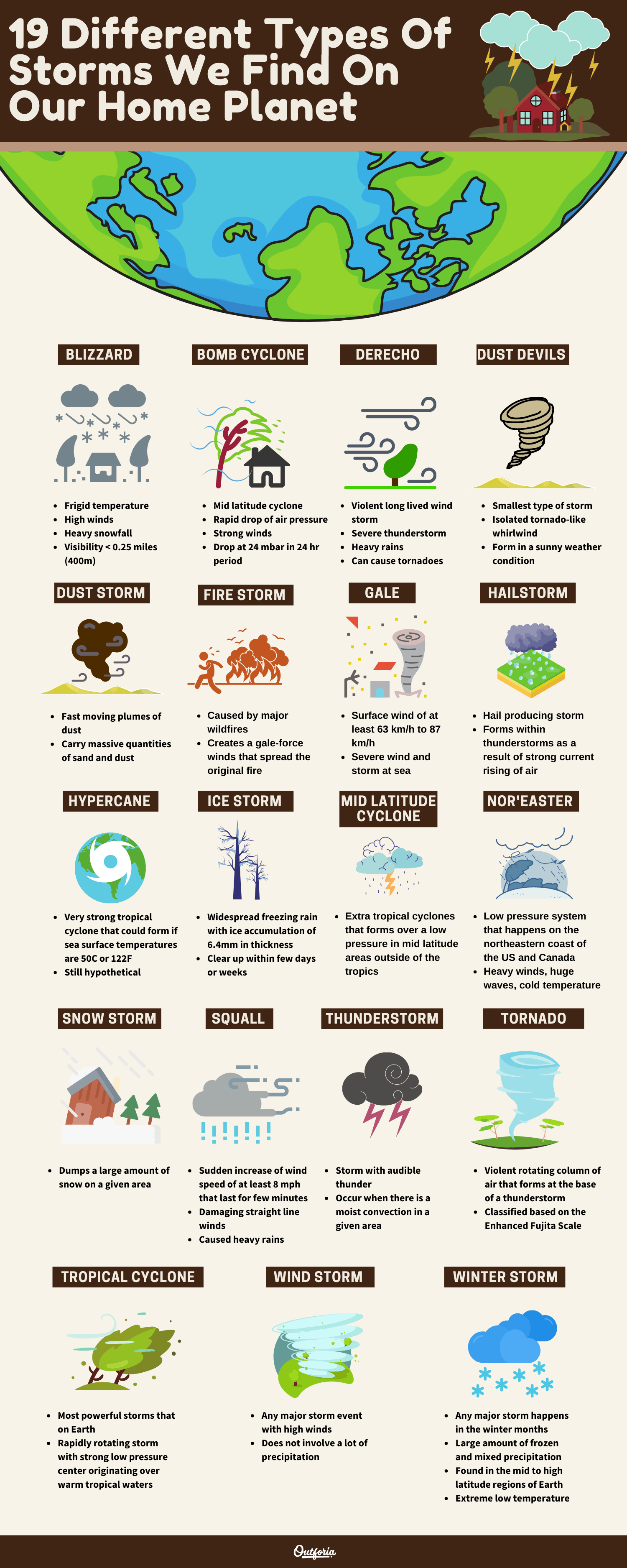
An infographic showing 19 types of storms, from blizzards to hypercanes, to help visualize the variety.
Not all storms are the same, and knowing what you’re up against can make all the difference. Thunderstorms, for instance, are common and pack lightning, hail, and strong winds. Hurricanes build over oceans with massive surges and rain, while tornadoes spin up quickly with devastating funnels. Blizzards bury areas in snow, creating whiteout conditions. Each type demands tailored strategies, as a one-size-fits-all approach won’t cut it.
Thunderstorms: The Everyday Threat
These pop up often in warm months, bringing lightning that strikes the ground about 25 million times a year in the U.S. Survival hinges on getting indoors fast—lightning can hit miles from the rain. Avoid using wired phones or plumbing, as electricity travels through them. The reason this works? Buildings ground the current, shielding you better than open spaces.
Popular tips include the “30-30 rule”: If thunder follows lightning in under 30 seconds, seek shelter; wait 30 minutes after the last rumble to go out. This method, backed by weather services, gives a buffer against stray strikes.
Hurricanes and Tropical Storms: The Slow-Build Monsters
Hurricanes form over warm waters, gaining strength as they approach land. They cause flooding and winds over 74 mph, with storm surges pushing water inland. Prep involves boarding windows and stocking supplies, as power can fail for days.
Evacuate if ordered—staying put risks drowning, the leading cause of hurricane deaths. Logic: These storms are predictable with days’ notice, allowing time to move to higher ground. Recent events show that ignoring evacuations leads to higher casualties, making compliance a proven lifesaver.
Tornadoes: Sudden and Furious
Tornadoes can form in minutes, with winds up to 300 mph. Seek a basement or interior room without windows. If driving, pull over and lie in a ditch, covering your head.
Why this? Debris flies like missiles, and structures collapse outward. Helmets and blankets add protection, a tip gaining traction in tornado-prone areas like Oklahoma.
Blizzards and Winter Storms: The Cold Killers
Heavy snow and winds create zero visibility. Stay inside to avoid hypothermia, which claims lives when people get stranded.
Stock fuel for heat, as outages are common. The rationale: Cold saps body heat fast, and rescue might take hours in blocked roads. Layering clothes and having extra blankets are simple, effective ways to retain warmth.
Fortifying Your Home and Family Before the Hit
Preparation starts long before clouds gather. Secure loose items outside to prevent them becoming projectiles. Trim trees near your house—winds snap branches easily.
Create a family plan: Designate a safe room, like a bathroom or closet in the home’s center. Practice drills so everyone knows where to go. This builds muscle memory, reducing panic when seconds count.
Review insurance too. Flood coverage often isn’t standard, yet flooding causes massive damage. Logic: Repairs cost thousands; being covered eases recovery stress.
Popular among survival experts is installing storm shutters or reinforcing garages, as these weak points fail first in high winds.
Assembling Your Storm-Proof Emergency Kit
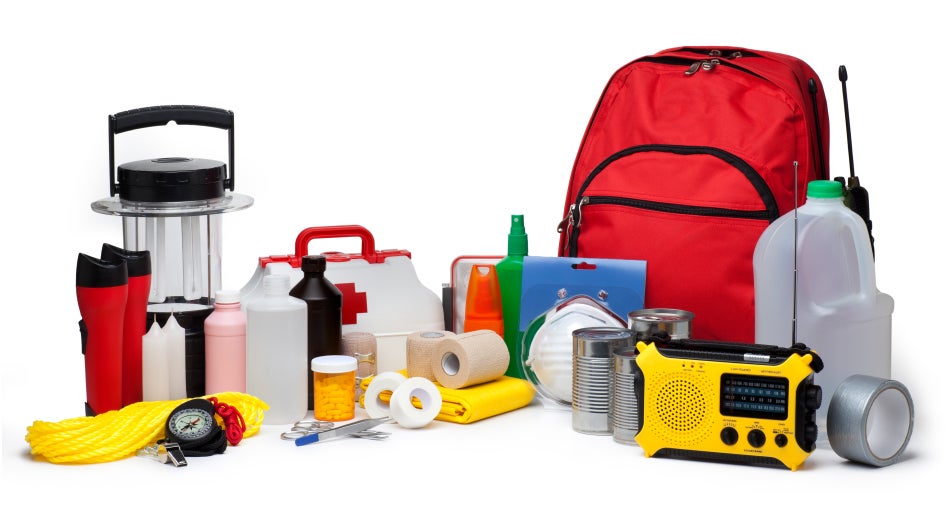
A typical emergency kit with essentials like water, food, radio, and first aid supplies.
An emergency kit is your lifeline when stores close and power goes out. Aim for supplies lasting 72 hours per person, as help might not arrive sooner.
Key items include:
- Water: One gallon per person daily for drinking and sanitation.
- Food: Non-perishables like canned goods, energy bars, and a manual opener.
- First aid: Bandages, antiseptics, medications, and any personal needs like glasses.
- Tools: Flashlight, extra batteries, multi-tool, duct tape.
- Communication: Battery or hand-crank radio for updates, charged phone with portable charger.
- Sanitation: Moist towelettes, garbage bags, disinfectant.
- Documents: Copies of IDs, insurance, in waterproof container.
- Extras: Cash, blankets, whistle, maps.
Why these? Water prevents dehydration, food maintains energy, and radios keep you informed when apps fail. Tailor for babies or pets—formula, diapers, or leashes. Store in a backpack for quick grabs.
This setup, recommended by FEMA and Red Cross, covers basics without overload, making it practical for any household.
Staying Safe While the Storm Rages
Once it hits, hunker down. Stay away from windows to avoid glass shards from wind or hail. Unplug appliances to dodge surges.
For thunderstorms, avoid showers—water conducts lightning. In hurricanes, move to higher floors if flooding starts, but stay put if winds are peak.
Monitor radio for updates; don’t peek outside. The calm eye in hurricanes tricks people into venturing out, only for winds to return.
Logic: Most injuries happen from curiosity or unnecessary movement. Staying low and covered minimizes risks from debris.
If camping, head to low ground away from trees, but seek sturdy shelter if possible.
Knowing When and How to Evacuate
Evacuation isn’t always needed, but ignore orders at your peril. For floods or hurricanes, leave early to beat traffic.
Pack essentials, turn off utilities, lock up. Follow designated routes—shortcuts flood first.
If caught in a car during tornadoes, abandon it for a ditch. Why? Vehicles roll in winds; lying flat reduces profile.
Have a destination: Family, shelter, or hotel inland. Practice the route; familiarity speeds things up.
This strategy, stressed in disaster plans, prevents gridlock and saves lives by getting you out of harm’s way.
Navigating the Aftermath: Recovery Without Risks
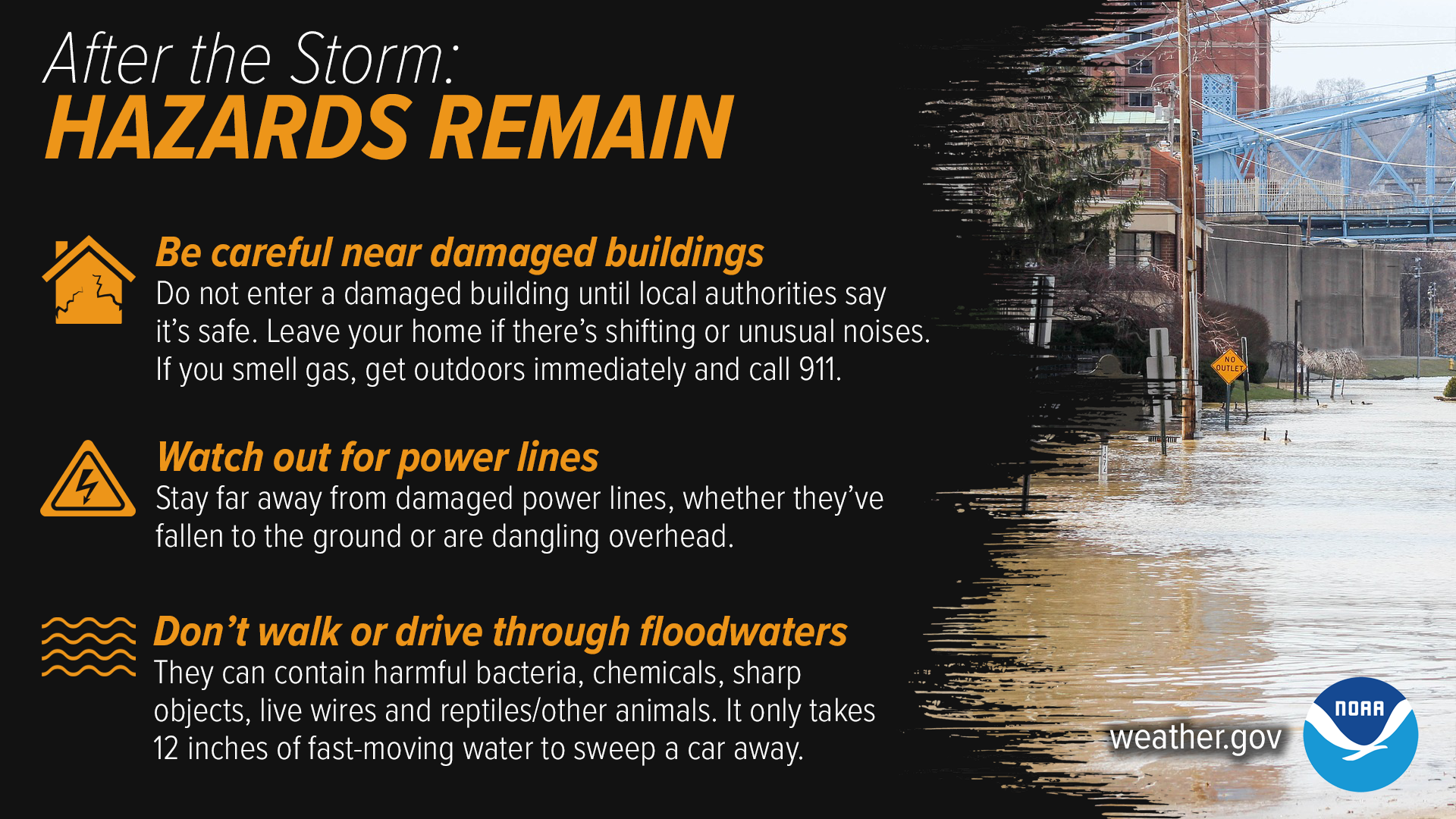
Infographic on post-storm hazards like damaged buildings, power lines, and floodwaters.
The storm’s end doesn’t mean danger’s over. Hazards linger, causing more deaths than the event itself.
Avoid floodwaters—they hide bacteria, wires, and debris. Just six inches can sweep you off feet; a foot floats cars.
Steer clear of downed lines; assume they’re live. Report them, don’t touch.
Check for gas leaks—if you smell it, leave and call 911. Use generators outside to prevent carbon monoxide buildup.
Clean up carefully: Wear gloves, boots for nails and glass. Boil water if advised; eat safe food.
Logic: Adrenaline fades, but fatigue leads to mistakes. Pace yourself, seek help for big jobs.
Document damage for insurance—photos help claims go smoother.
Tailored Advice for Special Needs
Kids need reassurance; explain plans simply, involve them in packing to ease fear.
For pets, include food, meds, carriers. Don’t leave them behind—they can’t fend alone.
Elderly or disabled folks: Extra meds, mobility aids. Buddy systems ensure no one’s overlooked.
These tweaks make plans inclusive, as vulnerabilities vary.
Wrapping Up: Turn Knowledge Into Action
Storms test resilience, but with prep, you tip odds in your favor. Review plans yearly, stay alert. Survival boils down to awareness and action—don’t wait for the next warning.