What Are Simple Traps And Snares For Emergency Food?
Simple traps and snares for emergency food are basic setups like the drag noose, twitch-up snare, squirrel pole, figure-four deadfall, Paiute deadfall, and bottle fish trap. These use everyday or found materials such as wire, cord, sticks, rocks, or plastic bottles to catch small game, birds, or fish, providing vital protein when hunting isn’t practical.
Why Turn to Traps and Snares in a Pinch
When you’re out there facing the wild, food can become a real worry fast. Hunting takes skill, energy, and often noise that might draw unwanted attention. Traps and snares change that game. They work quietly on their own, day or night, giving you time to handle other needs like building shelter or finding water.
People have relied on these methods for ages because they stretch limited resources. A few well-placed setups can bring in more catches than chasing game with a weapon. Plus, in tight spots where ammo runs low or silence matters, they keep things low-key. Folks in survival circles often point out how trapping beats burning calories on failed hunts. It’s about working smarter when every bit of strength counts.
Think about it: small animals like rabbits or squirrels pack enough nutrition to keep you going. And with the right placement, these simple devices turn the odds in your favor. They’re not foolproof, but they tip the scales when options dwindle.
Key Legal and Ethical Angles to Keep in Mind
Before setting anything, know the rules where you are. Most places require licenses for trapping, and some outright ban certain types like snares. In survival mode, laws might bend, but normally, check sites like state wildlife agencies or ICWDM.org for specifics. Training through programs like the North American Trapper Education can guide you right.
On the ethical side, aim for quick and clean catches to cut down on suffering. Use designs that kill fast, like twitch-ups that snap necks, and check traps daily. Avoid setups that snag non-target animals, pets, or people—mark locations if needed. Breakaway features let bigger creatures escape unharmed. It’s about respect: take only what you need, and handle catches humanely. Many trappers stress this balance, noting how poor practices give the whole thing a bad name.
In emergencies, these tools save lives, but practice responsibly beforehand. Ignoring ethics can lead to waste or harm, which nobody wants.
Basic Gear You’ll Want on Hand
You don’t need fancy stuff for these. Start with wire—22 or 24 gauge works well for snares, as it’s tough and holds shape. Cord like paracord or bank line steps in if wire’s scarce, though animals chew through it easier. A sturdy knife handles carving sticks and notches.
Gather from nature: flexible saplings for spring power, heavy rocks or logs for deadfalls, forked branches for triggers. Even trash like plastic bottles turns into fish traps. Keep a small roll of wire and some cord in your pack—it’s light and versatile. With these, you’re set to improvise most designs.
Spotting the Right Places to Set Up
Success hinges on location. Look for animal signs: tracks, droppings, chewed plants, or worn paths called runs or trails. Runs are narrow, used by one type of critter, while trails see more traffic. Water holes, feeding spots, and dens draw game reliably.
Funnel animals toward your trap with sticks or rocks, narrowing their path. Avoid disturbing the area—prep parts elsewhere to keep scents low. Mask human smell with mud, animal urine, or smoke from a fire. Animals sniff out trouble, so blend in. Set multiple traps; odds improve with numbers. Check them often to grab catches before scavengers do.
Popular Simple Snares for Quick Catches
Snares shine for their ease and effectiveness on small game. They loop around necks or legs, tightening as animals move. Wire beats cord for staying open and resisting chews.
Drag Noose: The Basic Starter
This one’s straightforward for beginners. It leads animals into a loop that tightens, then drags them into brush where they tangle. Good for rabbits or foxes on trails.
How to build it:
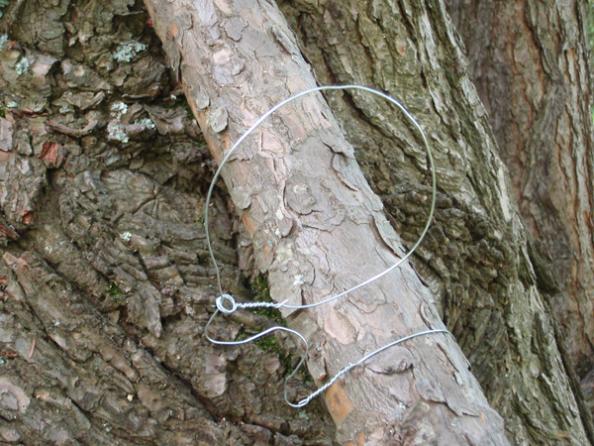
- Form a noose with wire or cord, about fist-sized for small game.
- Place it on a path, propped open with twigs if needed.
- Anchor the other end to a stake or heavy log.
As the critter pushes through, the noose cinches. They pull it tighter trying to flee, getting stuck in nearby cover. Set near your camp to hear struggles.
A basic drag noose setup on a trail.
Twitch-Up Snare: Adding Some Snap
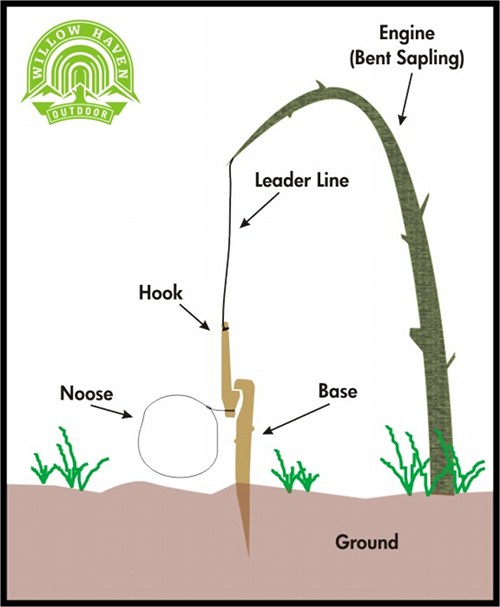
Take the drag noose up a notch with spring power from a bent sapling. It yanks the animal off the ground, making escape tough. Targets squirrels or rabbits, killing quicker for less suffering.
Steps to make one:
- Find a flexible young tree along a trail.
- Carve two hooked sticks: one staked in the ground, the other tied to the noose.
- Bend the sapling, hook the sticks to hold tension.
- Set the noose over the path.
When tripped, the tree springs up, lifting the catch. It’s humane and keeps meat away from ground predators.
Squirrel Pole: Multiple Chances in One Go
Squirrels are speedy, but this pole setup catches them climbing. Lean it against a tree with nests or signs. Multiple nooses boost your shot at dinner.
Build it like this:
- Cut a 4-6 foot pole with rough bark.
- Attach 12 or more 3-inch wire nooses along the top and sides, 1 inch off the pole.
- Prop against a squirrel-active tree, avoiding top and bottom nooses.
Curious squirrels investigate, slipping into loops. One pole can nab several.
Squirrel pole with wire nooses ready to go.
Tried-and-True Deadfall Traps
Deadfalls drop weight to crush prey, simple with no cord needed sometimes. They’re great for rodents or small mammals near bait.
Figure-Four Deadfall: Classic Leverage
Named for its shape, this uses three sticks to hold a rock or log until bait’s tugged. Sensitive trigger suits mice or squirrels.
Carve and assemble:
- Vertical stick: Square notch top, angled tip bottom.
- Diagonal: Notched ends to fit.
- Horizontal: Bait end, notched to interlock.
- Form the “4,” prop the weight, add bait like peanut butter.
Animal nibbles, setup collapses, weight falls. Practice carving for stability.
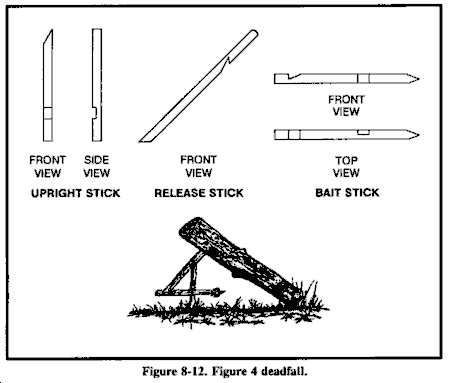
Figure-four trigger holding the weight.
Paiute Deadfall: Fast and Native-Inspired
A quick-drop version from Native American designs, using string and sticks for rodents. Explosive when set right.
How it’s done:
- Y-shaped post, lever stick, toggle, bait stick, string.
- Tie string to lever and toggle.
- Set post, balance rock on lever, hold with baited toggle.
Bait pull releases, smashing down fast. Good for prairie dogs or rats.
Water-Based Traps for Fish and More
Don’t overlook streams or ponds—fish provide easy protein with little effort.
Bottle Fish Trap: Trash Turned Tool
Use a plastic bottle to funnel fish in, trapping them inside. Set in current for best results.
Simple steps:
- Cut off the bottle top.
- Invert and insert it back, creating a funnel.
- Place in water, opening against flow.
Fish swim in but can’t find the way out. Bait helps draw them.

Funnel design keeping fish inside.
Tips to Boost Your Odds
- Bait smart: Use local foods like berries or nuts, scattered to build interest.
- Camouflage everything: Rub dirt on fresh cuts, blend with surroundings.
- Set in numbers: 10-20 traps per person ups catches.
- Check daily: Prevents loss to predators and reduces animal stress.
- Practice first: Build in your yard to get the feel without pressure.
Common pitfalls? Weak materials break, poor locations miss game, human scent scares them off. Fix by using strong wire, scouting signs, and masking smells.
Handling Your Catch Safely
Once something’s caught, act quick. Approach carefully—animals fight when cornered. Dispatch humanely with a club or knife to the neck. Clean right away: Gut, skin, cook thoroughly to avoid illness. Save hides or bones for tools. It’s gritty, but necessary for survival.
Wrapping It Up
These traps and snares aren’t just old tricks—they’re lifelines when food’s scarce. From snares grabbing rabbits to deadfalls nabbing mice, they let nature do the heavy lifting. Master a few, respect the rules, and you’ll have a edge in tough times. Remember, it’s about sustaining yourself without waste.