How Do I Signal for Help in a Remote Area?
To signal for help in a remote area, start with the universal rule of three: three short whistle blasts, three fires arranged in a triangle, or three flashes of light repeated every minute. If you have gear, activate a personal locator beacon (PLB) to send your GPS location via satellite straight to rescue teams. For visibility, build a large “SOS” on the ground using rocks, logs, or snow—make each letter at least 10 feet tall so planes can spot it. Use a signal mirror to flash sunlight at passing aircraft, or start a smoke signal during the day for contrast against the sky. At night, a bright flashlight or fire works best. Always stay put if possible, and combine methods to boost your chances.
Why Knowing How to Signal Can Save Your Life
Out in the wilderness, things can go wrong fast—a twisted ankle, bad weather, or getting turned around on a trail. The key is getting rescuers to you before minor issues turn major. Signaling isn’t just about making noise or light; it’s about standing out in vast, empty spaces where no one might pass by for days.
Think about it: search and rescue teams cover huge areas, often by air or on foot. A clear signal cuts down their search time, which means faster help. Without it, you could wait longer, risking dehydration, exposure, or worse. Survival experts stress that preparation and quick action make all the difference, drawing from countless real-world cases where signals turned the tide.
Get Ready Before You Leave: Prevention Beats Cure
The best signal is the one you never need to use. Tell a trusted friend or family member your route, expected return time, and what to do if you’re late—like calling authorities after 24 hours. This “trip plan” gives rescuers a starting point if things go south.
Pack smart. A basic kit should include a whistle, signal mirror, flashlight with extra batteries, and something bright like an orange vest or tarp. If you’re heading deep into remote spots, invest in a PLB or satellite messenger. These devices have proven reliable in areas without cell service, and they’re compact enough to clip on your pack.
Why does this matter? Data from search and rescue operations shows that people who leave plans are found quicker. For instance, the National Search and Rescue Committee reports that detailed itineraries reduce search times by up to 50% in many cases.
Universal Distress Signals: The Basics Everyone Should Know
Across the world, certain signals scream “help” without words. The rule of three comes from maritime and aviation traditions—it’s simple, memorable, and hard to mistake for something else.
- Three blasts or flashes: Whether with a whistle, horn, or light, do three short ones, pause, and repeat.
- SOS pattern: That’s dot-dot-dot, dash-dash-dash, dot-dot-dot in Morse code. Use it with sound or light.
- Ground-to-air codes: An “X” means you need medical help, while an arrow points to your direction if you’re moving.
These work because they’re standardized. Pilots and rescuers are trained to recognize them, reducing confusion in high-stakes moments. In dense forests or mountains, they cut through noise better than yelling, which tires you out fast.
Visual Signals: Catch the Eye from Afar
Visual methods shine in open areas or during daylight. They’re passive once set up, letting you conserve energy while they do the work.
Building a Signal Fire

A well-built signal fire producing thick smoke for visibility.
Fires are a top choice for visibility, especially smoke by day and flames at night. Build three in a triangle—the international distress setup. Use green branches or wet leaves for thick, white smoke that stands out against blue skies. At night, add dry wood for bright flames.
Logic here: Smoke rises high, visible for miles, and the triangle pattern signals intent, not just a campfire. But pick a safe spot to avoid starting a wildfire, which could make things worse. Survival guides like those from the Art of Manliness highlight how fires have guided rescuers in foggy or wooded areas.
Using Mirrors and Reflective Gear
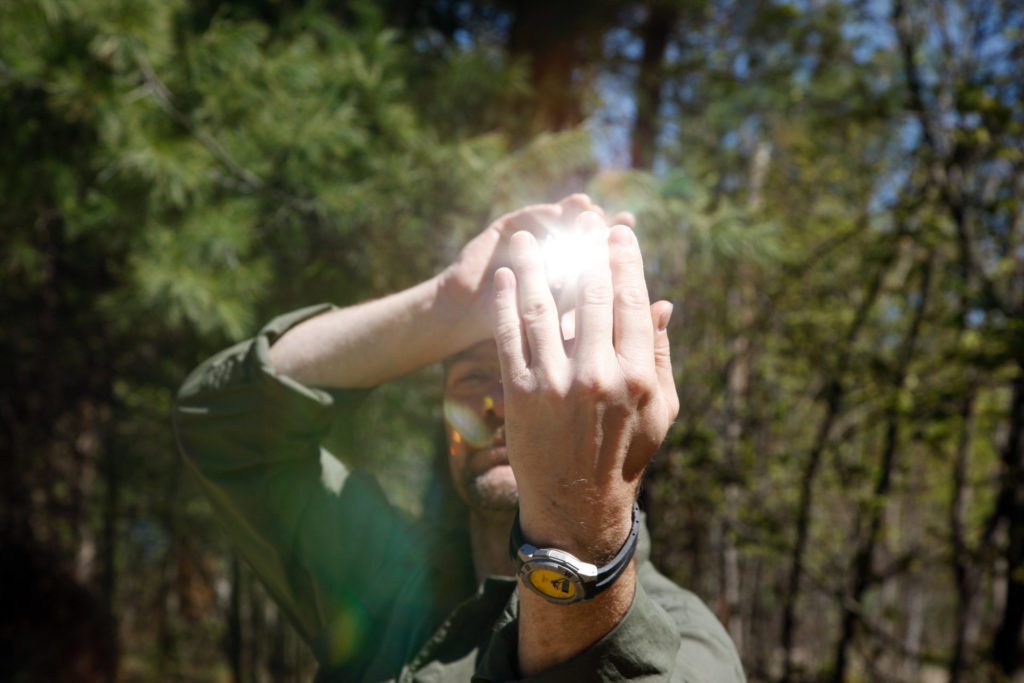
Flashing a signal mirror toward potential rescuers.
A small mirror can flash sunlight up to 10 miles away on a clear day. Hold it in one hand, aim the reflection at your other hand to practice, then sweep it toward planes or distant searchers. Even a shiny watch face or phone screen works in a pinch.
This method’s popular because it’s lightweight and needs no batteries. Pilots often spot these flashes first, as noted in wilderness survival manuals. The downside? It only works in sunlight, so pair it with others.
Ground Signals for Aerial Rescue

An SOS ground signal made from rocks in open terrain.
Stamp out or arrange “SOS” with rocks, branches, or trampled snow. Make it huge—aim for 30 feet across. In snow, use branches for contrast; on beaches, dig trenches that cast shadows.
Why effective? Aircraft fly overhead, and large patterns pop against the landscape. Real examples, like a hiker in Australia who spelled SOS with stones, show how this draws helicopters right in. It’s low-effort once built and lasts until help arrives.
Auditory Signals: Make Noise That Carries
Sound travels far in quiet remote spots, making these ideal for ground searches.
Whistles and Shouts
A pea-less whistle is loud—up to 100 decibels—and doesn’t freeze in cold. Blow three short blasts, wait a minute, repeat. It’s better than yelling, which strains your voice after minutes.
Popular among hikers because whistles are cheap and light. In one Kentucky case, a trapped hunter used his whistle to alert nearby teams after his PLB pinged the area. The pattern of three avoids confusion with natural sounds.
Gunshots or Bangs
If you have a firearm, fire three shots spaced out. Or bang metal objects together. This works in hunting seasons when others might hear.
But ammo is limited, so save it for when you hear searchers. Logic: Gunshots echo far, signaling urgency without words.
Electronic Signals: Tech to the Rescue
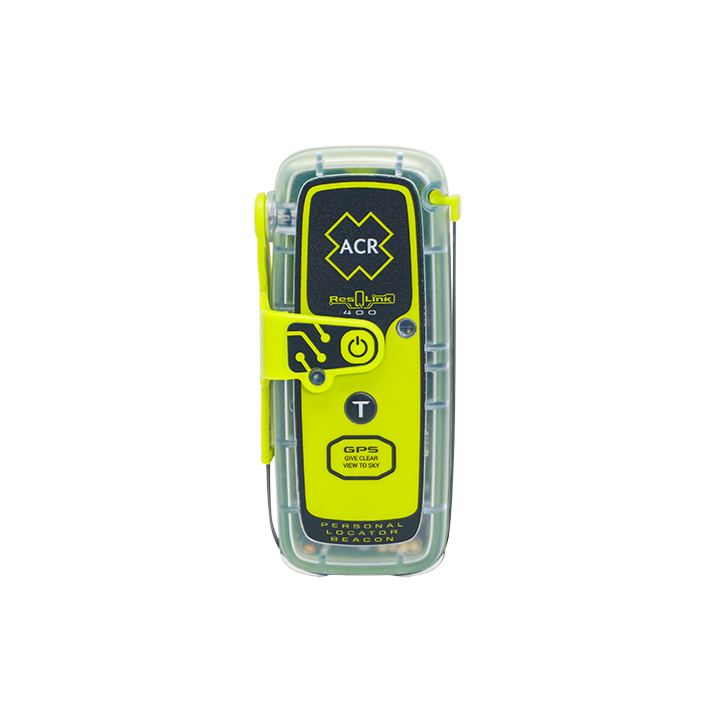
A compact personal locator beacon ready for activation.
Modern gadgets bridge the gap in no-signal zones.
Personal Locator Beacons (PLBs)
These send your GPS coords to satellites, alerting global rescue centers. Activate with a button—no subscription needed in many models.
They’re a game-changer for remote trips, with batteries lasting years. Stats from the NOAA show PLBs have aided over 10,000 rescues worldwide since 1982. Drawback: One-way communication, so no updates back.
Satellite Messengers and Phones
Devices like Garmin inReach let you text for help or share locations. Satellite phones call anywhere.
Ideal for groups or long expeditions. They cost more but allow two-way chat, which calms nerves and gives rescuers details.
Cell Phones in Remote Spots
Even without service, try 911— it might connect via any tower. Apps can send SOS with location if data slips through.
Boost signal by climbing high or using boosters. One guide notes that keeping your phone on helps towers ping it for tracking.
Improvised Signals: Use What Nature Gives
No gear? Get creative.
- Wave bright clothing on a stick.
- Arrange gear in arrows pointing to you.
- Use water dye packets if near water for colorful spreads.
These build on basics, proving resourcefulness. In a YouTube demo, a survivor used foil from snacks as a reflector.
Real-Life Stories: Lessons from Survivors
Take the 2013 case of a lost hiker in the Sierra Nevada who flashed SOS with his headlamp, spotted by a helicopter at night. Or the Australian outback mystery where an old SOS of rocks led to a search, though unsolved—it shows lasting impact.
In Kentucky, a hunter hung upside down used his PLB; rescuers found him within hours. These tales underline combining tech with old-school methods for best results.
Mistakes That Could Cost You
Don’t move around too much—stay visible in one spot. Avoid small signals; go big or go home. Never assume help is coming soon; ration energy and supplies.
Ignoring weather is common—signals fail in rain or fog, so adapt.
Wrapping It Up: Stay Calm, Signal Strong
Signaling boils down to being seen or heard. Mix methods, stay put, and prepare ahead. With these tips, you’re better equipped for the unexpected. Head out smart, and come back safe.