
How to Process Foraged Nuts: Your Step-by-Step Guide to Free, Flavorful Harvests
Exact Steps to Process Any Foraged Nut
- Harvest ripe, fallen nuts from healthy trees in fall—mid-September to November.
- Remove outer husks right away using hands, rocks, or a driveway stomp.
- Clean and test: Rinse, then float in water—toss floaters (they’re bad).
- Dry for 1-2 weeks in a single layer with good airflow.
- Crack and shell with a hammer, nutcracker, or rock.
- Special process if needed: Leach acorns to remove bitterness.
- Roast at 350°F for 10-20 minutes for flavor and storage life.
- Store in fridge/freezer in jars—lasts months to years.
Follow these, and you’ll turn backyard windfalls into snacks better than store-bought. Let’s dive deeper.

Why Bother Foraging Nuts? It’s Easier Than You Think
Picture this: Free food dropping from trees every fall. Acorns alone produce billions of pounds across North America yearly. Hickory nuts taste like buttery pecans. Black walnuts pack bold flavor store varieties can’t match.
Popular reasons folks forage:
- Save cash: A pound of wild hickory nuts rivals $20+ gourmet prices.
- Nutrition punch: High in healthy fats, protein, vitamins—beats processed snacks.
- Family fun: Kids love hunting “treasure” under oaks.
- Self-reliance: Stock your pantry with hyper-local eats.
In mast years (every 2-5 years), trees explode with nuts—nature’s giveaway. Start small; one tree yields 10-50 pounds.
Top 5 Nuts to Forage (And How to Spot Them)
Not all nuts are equal. Focus on these winners for easy wins.
| Nut | Where to Find | ID Tips | Yield Per Tree |
|---|---|---|---|
| Acorns | Everywhere—parks, woods, yards | Caps on brown nuts; oak leaves | 25+ lbs |
| Shagbark Hickory | Forest edges, sunny spots | Shaggy bark like peeling paint; 4-ridged husks | 10-20 lbs |
| Black Walnuts | Roadsides, old farms | Green tennis-ball husks; ridged leaves | 50+ lbs |
| Chestnuts | Woodlands (rare due to blight) | Spiky burrs with 2-3 shiny nuts | 5-10 lbs |
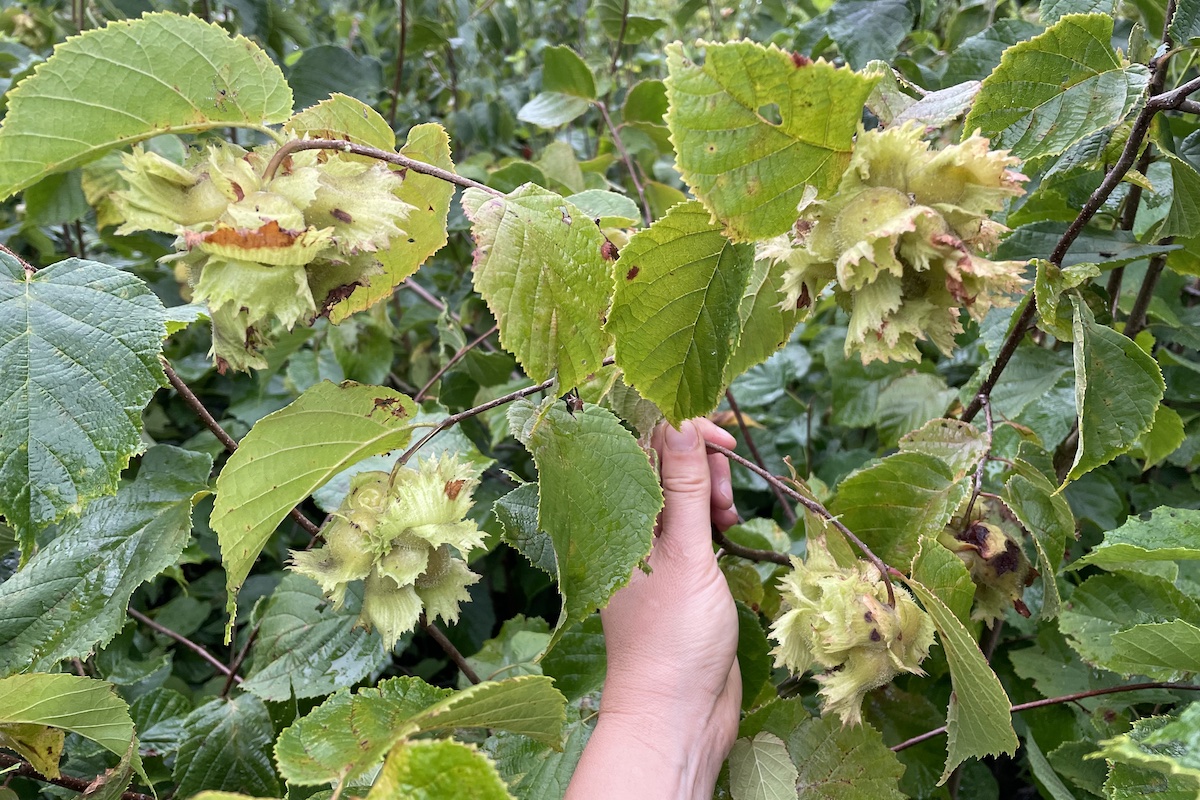
| Hazelnuts | Shrubs in thickets | Fuzzy husks on small round nuts | 2-5 lbs |
Pro tip: Scout now—trees “mast” unpredictably. Use apps like iNaturalist for confirmation.
Safety First: Don’t Eat the Wrong Thing
Foraging’s fun until it’s not. 99% safe if you ID right.
- Rule 1: 100% positive ID. Use 2-3 sources (book + app).
- Toxic twins: PoisonousEdible LookalikeHorse chestnut (big scar, smooth)American chestnut (spiky, small)Buckeye (round, bitter)Hickory (ridged husk)
- Avoid: Roadsides (pollution), dog parks, sprayed areas.
- Test bite: Small nibble after processing—spit if off.
- Allergies: Nuts = risk; start tiny.
Logic: One bad ID ruins your day. Better safe than sorry.
Harvesting: Timing and Tools
When: Wait for natural drop—nuts ripen inside. Shake branches gently.
Tools (under $20):
- Bucket or tarp
- Gloves (black walnuts stain!)
- Boot scraper for burrs
Collect daily—squirrels beat you to it. Aim for 10-20 lbs first haul.
Why fallen? Ripe nuts sink in water; early drops float (wormy).
Step-by-Step: Hulling, Cleaning, Drying
1. Hull (remove outer layer):
- Hickory/Acorn: Squeeze by hand or roll under boot.
- Walnut: Drive over ’em or bash with rock—messy but fun.
- Chestnut: Kick spiky burrs open.
2. Clean:
- Hose rinse.
- Float test: Fill bucket—sinkers good, floaters compost.
3. Dry:
- Single layer on screens/trays.
- Fan or sunny garage: 1-2 weeks till shells rattle.
- Why? Kills bugs, prevents mold.
Cracking and Special Processing
General crack:
- Lay on concrete.
- Hammer wide side—aim for quarters.
- Pick meat with needle/knife.
Nut-specific:
Acorns: Leach the Bitter
- Shell after dry.
- Hot leach (fast): Boil, drain repeat till water clear (1 hr).
- Cold: Soak/change water 3-7 days.
- Grind to flour. Why? Tannins block digestion.
Others: Straight to roast
Tools upgrade: $30 nutcracker saves thumbs.
Roasting: Unlock the Flavor
- 350°F oven, 10-20 min—stir.
- Chestnuts: Score X first, or explode!
- Salt lightly. Smells like heaven.
Why roast? Kills enzymes, boosts taste, extends shelf life 2x.
Storage That Lasts
- In-shell: Cool/dark, 6-12 months.
- Shelled: Fridge 3 months, freezer 2 years (jar ’em).
- Check for oil smell (rancid).
Hack: Vacuum seal for years.
Recipes: From Snacks to Showstoppers
Hickory Nut Butter (5 min):
- Blend roasted meats + pinch salt.
- Spread on toast—like pecan gold.
Acorn Pancakes:
- Mix 1/2 cup acorn flour, 1/2 cup wheat, egg, milk.
- Griddle. Syrup heaven!
Black Walnut Pie: Swap pecans in classic. Chestnut Roast: Fire pit—street food vibes.
More: Trail mix, cookies, pesto.
Common Mistakes (And Fixes)
- Rushing dry: Mold city → Airflow always.
- No leach: Acorn puke → Boil longer.
- Storing wet: Bugs party → Dry fully.
- Wrong ID: Hospital → Double-check.
FAQs
How much effort for 1 lb meat? 5-10 lbs raw (1-2 hrs work).
Can I sell ’em? Yes—farmers markets love wild.
Kids safe? Supervise harvest; processed = yes.
Year-round? Freeze now, eat forever.
Grab a bucket—your forest pantry awaits. Questions? Drop ’em below.