
How Do You Find North If You Don’t Have a Compass? Wilderness Survival Guide
Getting turned around in the wild can turn a simple hike into a real ordeal. But here’s the good news: you don’t need fancy gear to figure out north. The most straightforward answers boil down to these tried-and-true tricks that anyone can pull off with what’s around them.
Quick Exact Answers to Finding North Without a Compass:
- Daytime go-to: The shadow-stick method. Jam a straight stick into the ground, mark its shadow’s tip, wait 15-30 minutes, mark again. The line between marks runs east-west; stand with the first mark at your left foot to face north. It’s dead simple and works anywhere the sun’s shining.
- Nighttime essential: Hunt for Polaris, the North Star. In the Northern Hemisphere, find the Big Dipper, draw a line from its two outer “pointer” stars, and extend it five times the dipper’s length to hit Polaris. Face that star—it’s true north, give or take a degree.
- Handy backup: Analog watch hack. Point the hour hand at the sun. Halfway between that and 12 o’clock points south in the Northern Hemisphere (north in the Southern). Flip it 180 degrees for north. Quick, but tweak for daylight savings.
These aren’t just old-school tales—they’re backed by how the sun arcs across the sky and Earth’s steady spin. Stick with them, and you’ll stay oriented when it counts. Let’s break it down further so you can pick what fits your spot and time of day.
Why Knowing North Saves Your Skin in the Wild
Picture this: You’re deep in the backcountry, phone’s dead, map’s useless without direction. Every year, search-and-rescue teams pull out thousands of lost hikers, and disorientation tops the list of reasons. But flipping the script starts with north—it’s your anchor for trails, water sources, and safe paths home.
The logic here is basic physics: The sun chases from east to west, stars wheel around Polaris due to Earth’s tilt, and even plants lean toward light. These aren’t guesses; they’re patterns etched into nature. Survival pros swear by them because they demand zero batteries or signals—just your eyes and a bit of patience. We’ll hit the reliable heavy-hitters first, then the clever backups, and debunk a couple myths along the way.
Daytime Methods: Harness the Sun’s Reliable Path
The sun’s your best buddy by day. It rises east, peaks south (in the North), and dips west. That’s the foundation for these tricks. They’re popular because they’re visual and fast—no waiting for dark.
The Shadow-Stick Method: Your No-Fail Baseline
This one’s a staple in every survival kit guide for a reason. It taps the sun’s east-to-west crawl, giving you a precise east-west line every time. Experts call it the most dependable daytime fix, accurate to within a few degrees if you do it right.
Here’s how to nail it step by step:
- Grab a straight stick about 2-3 feet tall (thicker is better for stability).
- Plant it upright in flat, open dirt—clear any grass or bumps.
- Drop a rock or scratch the ground at the shadow’s tip. That’s your west mark (sun’s coming from the east).
- Kick back for 15-30 minutes (longer near dawn or dusk for better arc).
- Mark the new tip—that’s east.
- Connect the marks for your east-west line.
- Stand on it with west at your left toes. Boom: You’re facing north. The perpendicular from the line’s middle runs north-south.
Why it works: Shadows shorten toward noon as the sun climbs, then stretch west. It’s universal, but in the Southern Hemisphere, flip it—shadows point south at noon.
Pro tip: If clouds roll in, this won’t cut it. But on a clear day, it’s gold. Folks love it for its low effort—I’ve seen hikers swear it got them back to camp before dark.
Analog Watch Trick: Quick When Time’s on Your Side
Got a wristwatch? Turn it into a makeshift compass. It’s a hit with urban adventurers spilling into the woods—fast and feels like a cheat code. But remember, it’s an estimate; time zones and seasons nudge it off by 15-30 degrees worst-case.
Steps for the Northern Hemisphere:
- Hold the watch flat, hour hand pointing dead at the sun.
- Picture a line from the hour hand to 12 o’clock.
- Split that halfway—that’s your south line (north’s opposite).
- In the Southern Hemisphere? Halfway points north instead.
Daylight savings twist: Use 1 o’clock as your “12” if clocks are bumped forward.
The smarts behind it: Watches mimic solar time, so the sun “should” hit noon at 12. It shines brightest when you’re facing south up north. Backpackers dig this for trail checks, but pair it with shadows for backup.

Sunrise and Sunset: The Easiest Visual Cue
No tools? Just watch the horizon. Sun pops up east, crashes west. Face the rising glow with your right shoulder south (north behind you). At sunset, left shoulder south.
This edges out fancier methods in popularity for beginners—it’s instinctive, like knowing your left from right. Logic: Earth’s rotation spins us under the sun that way daily. Caveat: Near the equator, paths wobble, but it’s spot-on farther north or south.
Nighttime Navigation: Let the Stars Be Your Guide
When the sun bails, stars step up. Night nav’s huge for overnighters or equatorial treks where days blur. It’s romantic, sure, but precise—Polaris wobbles less than 1 degree off true north.
Spotting Polaris: The North Star’s Steady Glow
Forget myths—Polaris isn’t the brightest, but it’s fixed. Sailors and scouts have banked on it for centuries. In the Northern Hemisphere, it’s your bullseye.
How to track it:
- Scan for the Big Dipper: Looks like a ladle pouring stars.
- Zero in on the two outer bowl stars (pointers).
- Trace a line up through the bowl’s pour-spout end.
- Go about five times the pointer distance—you’ll land on Polaris, Little Dipper’s tail.
Face it squarely for north. If you’re south of the equator? Skip ahead to the Southern Cross.
Why reliable? Polaris sits almost smack over Earth’s axis, so it barely budges as we spin. Clear skies make it a no-brainer; cloudy nights? Hunker down.

Southern Cross for Down-Under Direction
Aussie outback or Patagonia? The Crux constellation’s your north pointer (via south first).
Quick steps:
- Find the cross: Four bright stars in a kite.
- Spot the two “pointer” stars outside, parallel to the cross’s long arm.
- Line from the cross’s top to bottom star, extended.
- Perpendicular from pointers’ midpoint—their cross is south. Swing around for north.
It works because the cross tilts toward the pole. Visible year-round down south, it’s a favorite for Pacific islanders.
Star Drift Test: For Any Lone Twinkler
No constellations? Align two sticks on a bright star and watch it creep left (north view) or right (south). Up means east, down west. Earth’s turn reveals all in 10-15 minutes.
Natural Clues: Reading the Wild Like a Local
These are the “wow” factors—moss, bugs, wind—that make you feel like a trail wizard. They’re popular on social feeds for their earthy vibe, but here’s the logic: Sun favors one side, wind shapes growth, critters chase warmth. Use as confirms, not solos; studies show they’re 60-80% accurate solo, better combined.
Moss and Lichen: Shady Side Secrets
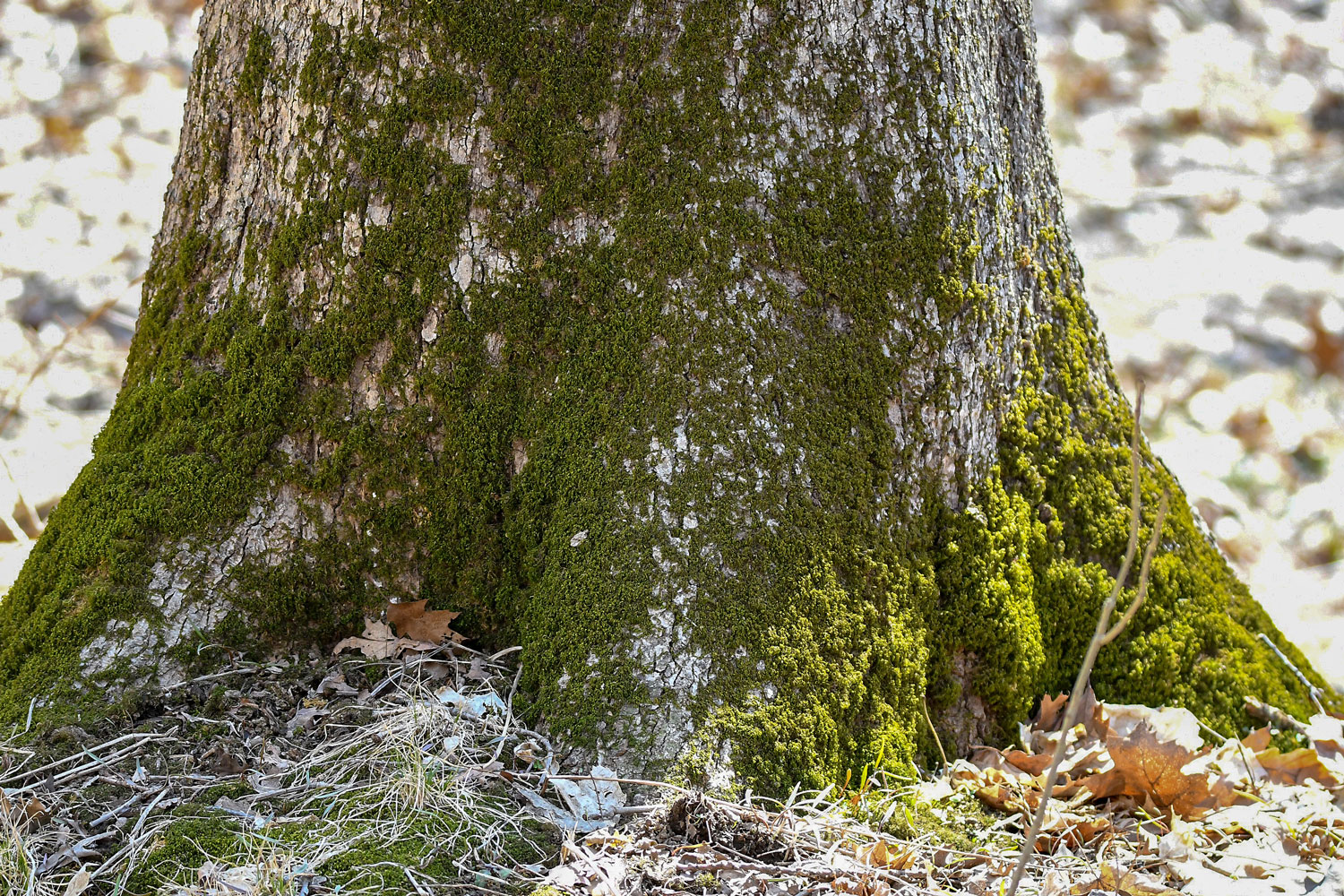
Old wives’ tale says moss hugs north sides. Truth: It thrives in cool, damp shade, often north-facing in the North (south in the South). But wind or slope can flip it.
Check multiple trees—thicker patches signal shade. It’s iffy in rainforests (everywhere’s damp), but shines in open woods.
Plant Lean and Slope Tells
Trees bulge branches south for sun; north sides stay sparse. Slopes? South-facing bloom first, north hold snow longer.
In the Rockies, south slopes scream dry scrub, north whisper fir groves. It’s evolutionary—plants chase photons.
Ant Hills and Wind Whispers
Desert ants mound south-facing for heat; flip in the South. Winds? Prevailing westerlies (North) sculpt trees east-leaning, snowdrifts east-pointing.
Beaches add waves rolling from wind direction. Bird flocks heading north in spring? Free arrow.
These clues stack for 90% hits when layered, per bushcraft logs.
Common Pitfalls and Pro Hacks to Stay Sharp
Even pros slip. Moss lies in wet spots; watches flop at dawn. Hacks: Cross-check methods, note your hemisphere, practice pre-trip. If snow’s around, north melts slowest.
Lost? STOP: Stop, think, observe, plan. North’s step one, but signaling beats wandering.
Wrapping Up: North Is Always There—Just Look Up (or Down)
From sticks in dirt to stars overhead, the wild hands you north on a platter. Start with shadows or Polaris—they’re the MVPs for a reason. Next trail, test one. You’ll wonder how you ever relied on gadgets. Stay found out there.