Safest Ways to Cross a Swamp: Proven Strategies to Stay Secure in Marshy Wilds
When it comes to crossing a swamp safely, the top methods boil down to these exact approaches: Use a shallow-draft boat like a canoe or kayak to glide over water without sinking risks; probe ahead with a sturdy stick while stepping on firm tussocks or vegetation if on foot; build or follow temporary mat paths for vehicles or heavy loads; hire a local guide for unfamiliar areas; and always cross in groups with life jackets and emergency gear ready. These keep you above dangers like hidden holes, wildlife, and quicksand-like mud.
What Makes Swamps So Tricky to Cross?
Swamps aren’t just wet spots on a map—they’re living, shifting landscapes full of waterlogged soil, dense plants, and hidden perils. Think of them as nature’s obstacle courses, where one wrong step can turn an adventure into a nightmare. Marshes, bogs, and swamps vary by region: Florida’s Everglades teem with alligators, while northern peat bogs in Scotland or Canada hide deep muck under innocent-looking grass.
Why do people even cross them? Hikers seek remote trails, hunters track game, and workers build infrastructure. But dangers lurk everywhere. Sinking into mud is common—peat bogs can swallow you if you hit a soft patch. Wildlife adds threats: snakes might bite if startled, mosquitoes carry diseases, and larger animals like moose or crocs defend territory. Getting lost is easy in foggy, uniform terrain, and cold water leads to hypothermia fast.
Logic here is simple: Knowing the risks helps you prepare. Outdoor enthusiasts on forums like Stack Exchange stress that swamps demand respect—rushing through invites trouble. A study from the U.S. Fish and Wildlife Service notes that water-related mishaps spike in wetlands due to poor visibility and unstable ground. That’s why safe crossing starts with understanding your environment.
Gear Up: Preparation Steps Before You Step In
No smart traveler dives into a swamp without prep. Start by checking weather—rain turns firm ground squishy. Map your route using apps or GPS, but carry a compass too, since tech fails in remote spots. Tell someone your plan, including entry and exit times.
Essential gear includes chest waders to stay dry, a long stick for probing, bug repellent, and a first-aid kit. Life jackets are non-negotiable near water. For groups, ropes help pull someone out if stuck. Survival blogs like SectionHiker.com recommend quick-drying boots over waterproof ones—wet feet are inevitable, but soggy gear weighs you down.
Why this matters: Preparation cuts risks by half, per wilderness guides. In cold seasons, layer clothes to fight hypothermia, which claims lives in soggy areas. Pack snacks and water—exhaustion hits quick in tough terrain. Popular among survivalists, this setup draws from real experiences shared on Reddit, where folks recount near-misses from skipping basics.
On Foot: Step-by-Step Techniques for Safe Wading
Crossing a swamp on foot demands caution—it’s not a stroll. The safest way? Probe every step with a stout stick, feeling for solid ground. Move slow, testing depth and avoiding dark water that hides holes. Look for tussocks—those grassy mounds offer firm footing. Hop from one to another, like connecting dots.
In peat bogs, lie flat if ground quivers. Spread your weight by crawling or swimming gently, arms and legs wide. This reduces pressure, preventing sinkage. Survival sites like SurvieProtek detail this: Throw a stone first—if it vanishes fast, detour. For swamps with dense plants, step on vegetation—it distributes weight better than bare mud.

Group up for safety: Stronger folks upstream break current for others. If you fall, float on your back, feet downstream, steering to shore. This technique, borrowed from river crossings, works in swampy flows too.
Why these work: Physics backs it—spreading weight avoids quicksand traps, common in 20% of wetlands per environmental reports. Hikers in Ireland’s bogs swear by tussock-hopping, as shared on Tough Soles blog. It’s popular because it’s low-tech—no fancy gear needed, just smarts.
Avoid thick brush where nests hide, per marsh walking guides. Steer clear of animal paths—they lead to deeper water. In warm areas, watch for snakes; in cold, limit time to dodge chill. Real logic: Slow pace lets you spot dangers, turning a risky trek into a manageable one.
By Boat: Gliding Over Instead of Through
Boats trump walking in swamps—why sink when you can float? Shallow-draft options like canoes or kayaks handle minimal water, dodging submerged snags. Paddle slow, using a depth finder if available. For open areas, airboats skim vegetation, but they’re loud and best for pros.
Flat-bottomed river boats suit groups, offering stability in murky channels. Always wear life jackets—falls happen quick. Pack bug spray; swamps buzz with insects. Boats.net highlights: Slow down in shallows to avoid grounding.
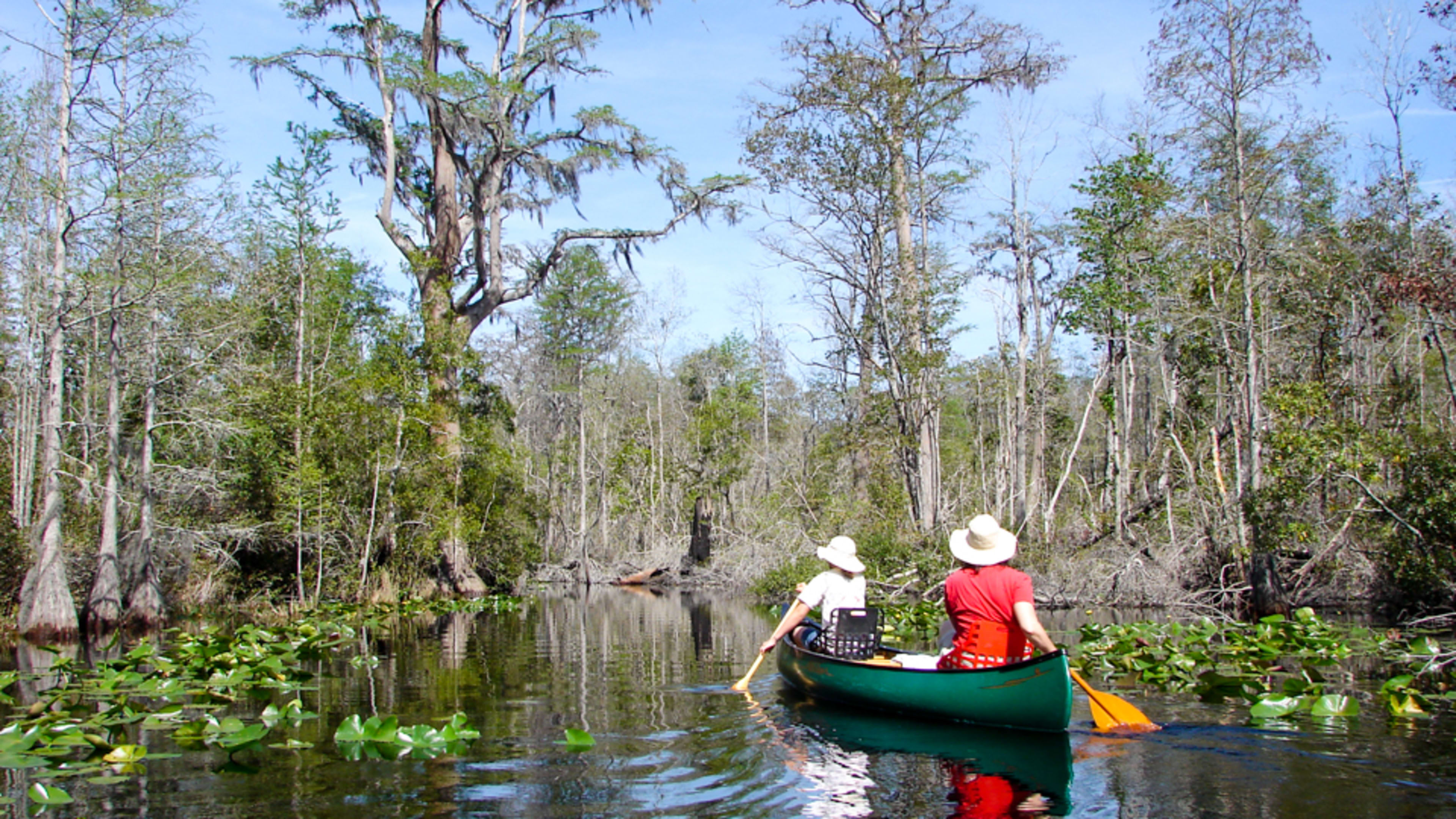
Wildlife respect is key—keep distance from alligators. In mangroves, paddleboards work for tight spots. Why popular? Outdoor stacks like Stack Exchange call boats the “only really safe” method, cutting entanglement risks. Logic: Water supports you, bypassing mud altogether. Tour operators in Louisiana’s bayous rely on this for safe outings.
Combine with wading: Paddle to shallows, then step out carefully. This hybrid shines in varied terrain. For emergencies, boats double as shelters. Stats show boat users face fewer injuries than foot travelers in wetlands.
Vehicle Crossings: Building Paths for Wheels
Need to drive across? Don’t—unless you build a road. Temporary mats create stable surfaces for trucks or ATVs. Lay geotextile fabric first, then mats of timber or cross-laminated lumber. These distribute weight, preventing sinkage.
Viking Mat explains: Choose clear paths, blade minimal vegetation, keep grades under 4%. For wooded swamps, fill with rock or riprap, per tractor forums.
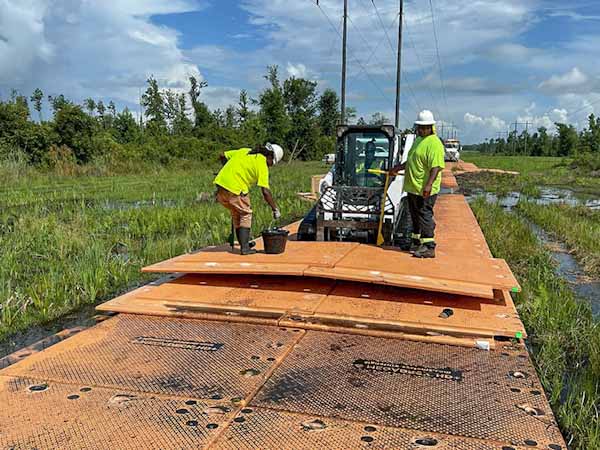
Why this ranks high in industrial settings: It’s efficient and eco-friendly—mats remove easily, letting areas recover. Forest managers use them to avoid fines. Logic: Heavy loads need broad support; mats provide it without permanent harm. Duck hunters on Facebook share: No tracks needed if you mat right.
For personal use, wooden walkways work—space poles, add boards. Michigan forums describe 3-foot paths holding hunters safely. Avoid solo drives; have winches ready.
Handling Emergencies: Escape and Recovery Tips
Stuck in mud? Don’t panic—struggling digs you deeper. Relax, spread out, crawl to firm ground. For quicksand, lie back, float, roll out slowly.
If hypothermic, strip wet clothes, seek warmth. Signal for help with whistles or sat phones. Wildlife encounters: Back away calm; don’t run.
Survival tips from Cheaper Than Dirt: Boil water from vines, build elevated shelters. Logic: Calm actions preserve energy, key in exhausting swamps. Popular in guides like Maryland DNR’s “Swamp Survival.”
Busting Myths: What’s Real in Swamp Lore
Myth: Swamps are always deadly quicksand pits. Reality: True quicksand is rare; most “sinking” is avoidable mud. Myth: Alligators attack on sight. Fact: They avoid humans unless provoked.
From EGR blogs: Swamps seem spooky from unstable ground and mist, but prep dispels fears. Logic: Knowledge trumps folklore, as shared in Quora threads.
Wrapping Up: Cross Smart, Stay Safe
Crossing a swamp safely mixes prep, tools, and smarts. Whether footing it, boating, or matting a path, respect the land. These methods, honed by experts and everyday adventurers, minimize risks while letting you explore. Remember: Nature rewards the cautious.