
Best Way to Store Tinder Dry: Essential Strategies for Reliable Fire Starting
The best way to store tinder dry is to use airtight, waterproof containers like ziplock bags inside metal tins or dedicated tinder boxes, kept in a cool, dry spot away from humidity, with regular checks to ensure no moisture sneaks in.
Introduction
Whether you’re gearing up for a weekend camping trip or preparing a survival kit, having dry tinder on hand can make all the difference when starting a fire. Tinder is that fine, flammable material that catches the first spark and turns it into a flame. But moisture is its biggest enemy—it can turn even the best tinder into a useless clump. Over the years, I’ve seen countless folks struggle with damp tinder in the field, and it often comes down to poor storage at home or on the go.
In this guide, we’ll cover everything from why dry tinder matters to practical storage methods that work in real-world scenarios. We’ll look at popular options, DIY hacks, and tips for keeping things dry during hikes or wet weather. Drawing from outdoor forums, survival blogs, and hands-on advice, I’ll break it down step by step so you can pick what fits your needs. Let’s dive in and ensure your next fire starts without a hitch.
Why Keeping Tinder Dry is Crucial for Campers and Survivalists
Imagine you’re out in the woods after a rainstorm, cold and needing warmth. You strike a spark, but your tinder fizzles out because it’s absorbed moisture. That’s a scenario no one wants, and it’s why dry tinder is non-negotiable.
Fire starting relies on a progression: spark to tinder, tinder to kindling, kindling to fuel. If the tinder is wet, the chain breaks right at the start. In survival situations, a fire provides heat, cooks food, purifies water, and signals for help. Without dry tinder, you’re at risk of hypothermia or worse, especially in cold, wet environments where body heat alone isn’t enough.
From what I’ve gathered on sites like Reddit’s Survival forum, many people overlook storage until it’s too late. They grab tinder from nature assuming it’s ready, but humidity or poor packing ruins it. Blogs like BattlBox emphasize checking for dampness in materials like grass or leaves, which soak up water easily. Keeping it dry isn’t just convenient—it’s a safety net. For hikers, carrying dry tinder means less time foraging in bad weather, reducing exposure to the elements.
Logic here is simple: dry materials ignite faster and burn hotter because there’s no energy wasted evaporating water. Wet tinder might smolder but rarely flames up enough to catch kindling. That’s why pros always pack extras in sealed setups, turning potential failures into quick successes.
Understanding Tinder: Types and How to Choose the Right One
Before storing tinder, you need to know what you’re dealing with. Tinder comes in natural, homemade, and store-bought varieties, each with strengths for different situations.
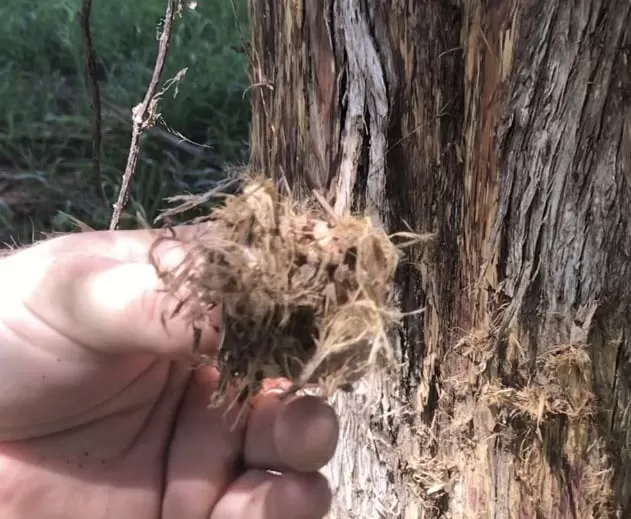
Natural tinder is popular among bushcraft enthusiasts because it’s free and abundant. Birch bark stands out—its oils make it flammable even when slightly damp, ideal for variable weather. Cattail fluff from wetlands ignites quickly but burns fast, so pair it with slower materials. Fatwood, resin-rich pine scraps, is a favorite for its reliability in damp conditions; scrape it into shavings for best results. Other options include dried grass, usnea lichen (old man’s beard), and wood shavings from dead branches.
Homemade tinder appeals to DIY types. Cotton balls soaked in petroleum jelly (often called PET balls) are cheap and effective—they burn long enough to light kindling. Dryer lint is another winner: lightweight, fibrous, and easy to collect from your laundry. Char cloth, made by charring cotton in a tin, catches sparks instantly and is a staple in traditional tinder boxes.
Store-bought choices like WetFire cubes or Tinder-Quik tabs are convenient for beginners. They ignite even in water and pack small, making them great for emergency kits.
When choosing, consider your environment. Natural works for local hikes, but homemade or commercial is better for long-term storage since they’re more consistent. The key logic? Fibrous, dry materials with high surface area catch sparks best—fluff them up to expose more fibers, increasing ignition chances.
- Pros of Natural Tinder: Eco-friendly, no cost, builds skills.
- Cons: Can absorb moisture if not stored right.
- Pros of Homemade: Customizable, uses household items.
- Cons: Prep time needed.
- Pros of Store-Bought: Reliable, waterproof options available.
- Cons: Costs add up.
Mix types for versatility—a bundle with birch bark and PET balls covers most bases.
Top Containers for Storing Tinder Dry at Home or On the Trail
Choosing the right container is half the battle. It needs to block moisture, be durable, and easy to access.
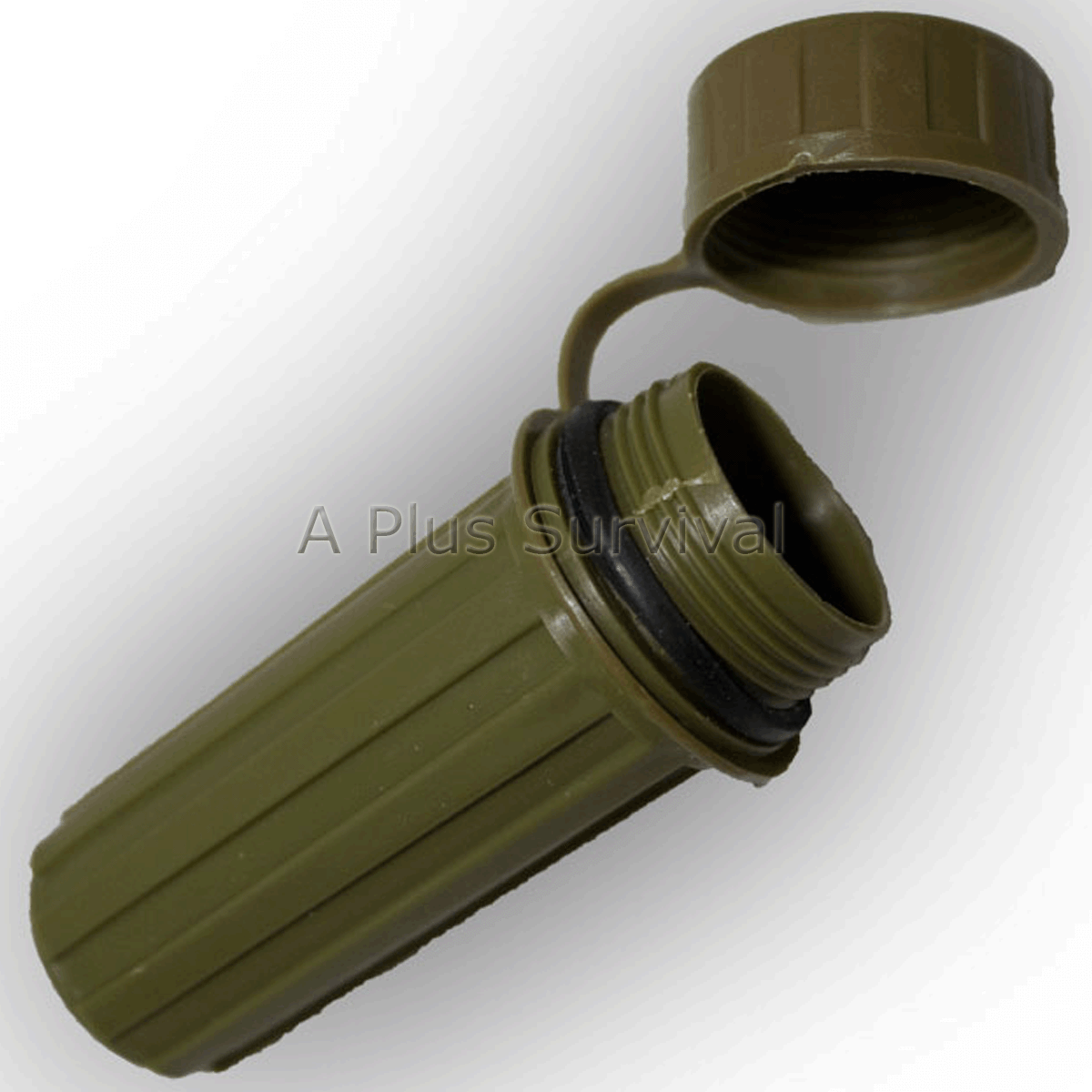
Waterproof plastic tubes or match safes are top picks for portability. These olive drab containers with O-ring seals keep water out, even if submerged. They’re compact for backpacks and hold enough for a few fires. Logic: The seal creates a barrier against humidity, preserving dryness over months.
Metal tins, like repurposed Altoids or tobacco cans, are favorites on forums like BushcraftUK. They allow tinder to breathe slightly if not fully sealed, helping it dry if slightly damp when packed. Add a hole in the lid for charring cloth inside, turning it into a multi-tool. Why it works: Metal resists crushing and rust if treated, and tight lids block moisture.
For larger storage, Lock’N’Lock containers with silicone seals are praised for submersion-proof protection. They’re sturdy for home use or car kits. Paint cans or buckets scale up for bulk, keeping big batches dry.
On hikes, ziplock bags inside tins combine layers of protection. This setup is lightweight and prevents crushing. Popular among thru-hikers for its simplicity—bag the tinder, tin for durability.
Compare options:
| Container Type | Best For | Pros | Cons |
|---|---|---|---|
| Plastic Tubes | Trail use | Waterproof, compact | Limited space |
| Metal Tins | Versatile | Durable, breathable | Can rust if wet |
| Sealed Boxes | Home storage | Large capacity | Bulkier |
| Ziplocks in Tins | Hiking | Layered protection | Bags can puncture |
The reasoning? Moisture enters through gaps or condensation, so seals and dry locations minimize that risk.
DIY Methods to Store Tinder Dry Without Breaking the Bank
Not everyone wants to buy gear—DIY options use everyday items and add a fun project element.
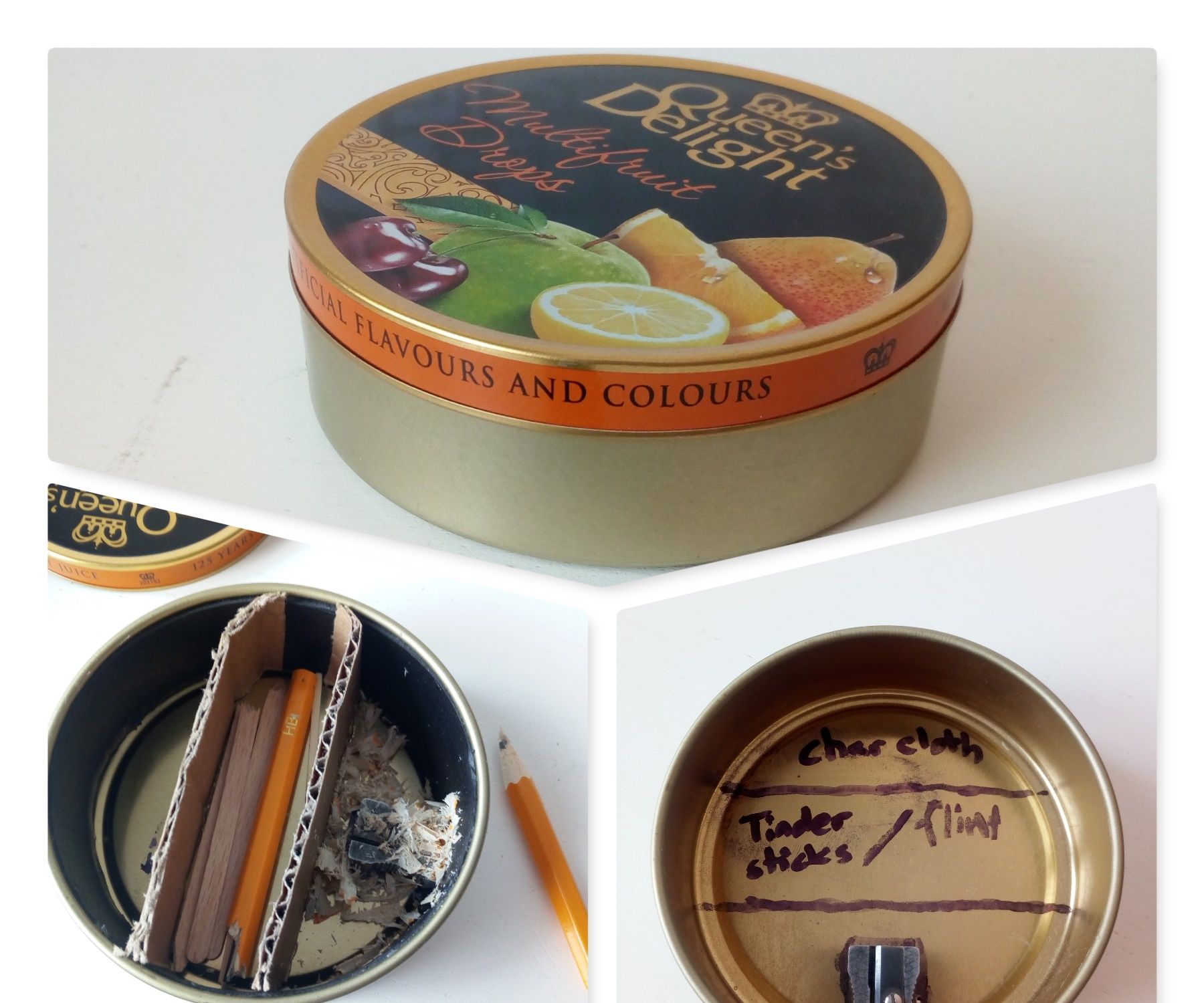
Start with a tin can: Clean a small one (like from beans), punch an X in the side for airflow if needed, and use the lid to seal. It’s cheap and effective for char cloth or shavings. Logic: The metal shields from water, and the X allows controlled drying.
For a custom tinder carrier, wrap duct tape around a container—it adds utility for repairs while keeping things organized. Or use a SPAM can: Rinse, add compartments with cardboard, and fill with tinder types. Belt-mount it for easy access.
Paper bags from liquor stores work for kindling-sized tinder at home. They’re breathable, helping twigs dry fast.
Steps for a basic DIY tin:
- Gather a clean tin with tight lid.
- Line with parchment if needed to avoid sticking.
- Add tinder, seal, and store in dry spot.
These methods shine because they’re adaptable—use what you have, reducing waste while ensuring dryness through simple barriers.
Tips for Keeping Tinder Dry in Wet Conditions or During Hikes
Storage doesn’t end at home; field techniques keep tinder usable.
In rain, tuck damp tinder against your body—hiking heat dries it out. Look for natural dry spots: under bark on standing trees or dead branches on pines.
Make feather sticks from wet wood: Shave outer layers to reach dry core. This creates instant tinder on-site.
For hikes, pack in layers: Ziplocks inside pouches. Avoid ground wood; snap-test twigs for dryness.
- Gather proactively while hiking.
- Use windbreaks to protect fires.
- Mix with accelerants like pine sap for wet days.
These habits work because they leverage body heat and nature’s dry pockets, extending storage effectiveness.
Common Mistakes to Avoid When Storing Tinder
Many slip-ups are easy to fix. Don’t pack damp tinder—it molds and spreads moisture. Overstuff containers; leave space for air circulation.
Ignore seals at your peril—loose lids invite humidity. And skip green materials; they won’t dry properly.
By avoiding these, you ensure reliable tinder every time.
Conclusion
Storing tinder dry boils down to barriers against moisture and smart choices. Whether opting for sealed tins or DIY cans, the goal is readiness. Test your setup, and you’ll light fires with confidence.