Coastal Survival Tips for Beaches: Essential Strategies to Stay Safe and Thrive
Coastal survival tips for beaches focus on preparation, awareness of hazards, and quick responses to emergencies. Key points include swimming near lifeguards, recognizing rip currents and escaping by swimming parallel to the shore, checking tide schedules to avoid being trapped, packing an emergency kit with first aid supplies and water, building simple shelters from driftwood for protection, foraging safely for food and water while purifying sources, and signaling for help with three fires or whistles. Always prioritize sun protection, hydration, and respecting wildlife to prevent issues.
Introduction
Beaches draw people in with their promise of relaxation and adventure, but they can turn dangerous without the right knowledge. Whether you’re planning a quick day trip or facing an unexpected stranding, understanding coastal survival means blending everyday safety habits with practical skills. This guide pulls from real-world advice used by lifeguards, survival experts, and organizations like NOAA and the American Red Cross. We’ll cover hazards, gear, water and land tactics, and more, so you can enjoy the shore without unnecessary risks.
Popular beach activities like swimming and exploring tide pools often lead to mishaps if folks ignore warnings. Logic here is simple: beaches are dynamic places where water, weather, and wildlife change fast. Preparing ahead keeps small problems from escalating.
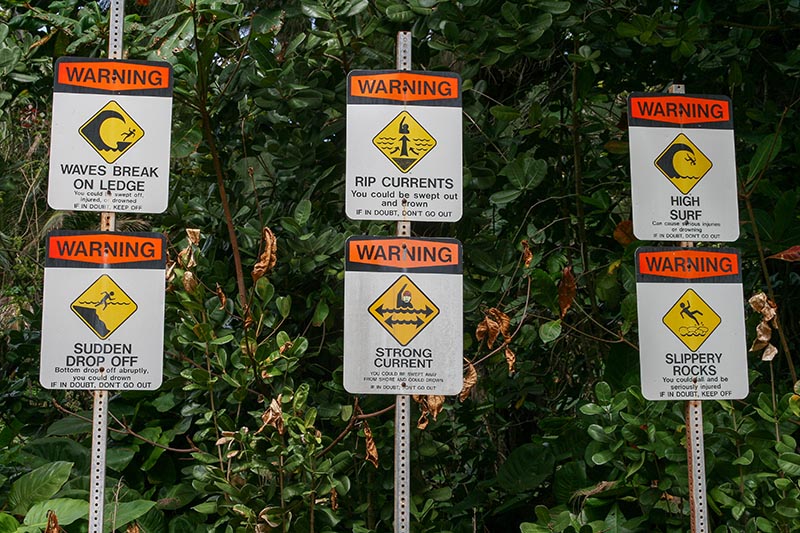
Common beach hazard warning signs to watch for.
Recognizing Common Beach Hazards
Every year, beaches see thousands of incidents from overlooked dangers. Spotting these early is your first line of defense.
Rip Currents: The Silent Pull
Rip currents form when water rushes back to sea through a narrow channel, pulling swimmers offshore. They’re responsible for over 80% of beach rescues, according to the United States Lifesaving Association. Speeds can hit 8 feet per second—faster than most people can swim.
To spot one, look for choppy water, a line of foam moving seaward, or darker, calmer patches amid waves. If caught, don’t panic and fight directly against it; that exhausts you. Instead, swim sideways along the beach until you’re free, then head to shore at an angle. Recent guidance from experts suggests floating calmly if you’re tired, letting the current carry you out until it weakens.

Diagram illustrating escape from a rip current.
Logic validates this: Fighting the flow wastes energy, while parallel swimming uses the current’s narrow shape to your advantage. NOAA reports around 100 rip current deaths yearly in the U.S., mostly from exhaustion.
Tides and Waves: Timing Matters
Tides can strand you on rocks or in rising water if you’re not watchful. High tides flood low areas, while low tides expose sharp reefs or create strong currents. Sneaker waves—unexpected large swells—knock people over on rocky shores.
Check tide charts before heading out; apps or local signs provide times. Stay above the high-water mark and watch the ocean’s rhythm. If exploring tide pools, go during low tide but return well before it rises.
This approach makes sense because tides follow predictable cycles, giving you control through planning. The RNLI in the UK emphasizes awareness, noting many rescues stem from tide-trapped hikers.
Sun and Heat: Invisible Threats
Prolonged exposure leads to sunburn, dehydration, or heat exhaustion. Symptoms like dizziness or nausea hit fast in hot, reflective beach environments.
Wear broad-spectrum SPF 30+ sunscreen, reapply every two hours, and cover up with hats and long sleeves. Drink water steadily—aim for a liter per hour in heat. Seek shade during peak sun from 10 a.m. to 4 p.m.
Data from the CDC shows heat-related illnesses affect thousands annually, with beaches amplifying risks due to limited shade. Simple habits like these prevent escalation.
Preparation: Gear Up for the Unexpected
Heading to the beach unprepared is like driving without a spare tire. Pack smart to handle minor issues or worse.
Building Your Beach Emergency Kit
A solid kit covers cuts, stings, and basics for survival. Start with a waterproof container to keep items dry.
- Bandages, antiseptic wipes, and gauze for wounds.
- Pain relievers like ibuprofen for headaches or sprains.
- Tweezers for splinters or stings.
- Sunscreen, lip balm, and aloe for burns.
- Water purification tablets or a filter.
- Whistle, mirror for signaling, and a multi-tool.
- Snacks high in energy, like nuts or bars.
- Personal meds, plus allergy info.

Essentials for a beach first aid kit.
The Red Cross recommends this setup, as beaches often have jellyfish, sharp shells, or insects. Logic: Small injuries infect easily in sandy, wet spots, so quick treatment matters.
Clothing and Tools for Versatility
Choose quick-dry clothes, sturdy shoes for rocky areas, and a hat. Bring a tarp or blanket for shade or shelter. A phone in a waterproof case, charged portable battery, and offline maps help if signals drop.
This prep shines in stranding scenarios, turning day gear into overnight survival tools.
Water Safety: Swim Smart
Water draws most beach visitors, but it causes the bulk of hazards. Follow proven tactics to stay secure.
Swimming Basics Everyone Needs
Swim only in lifeguarded areas—stats from USLA show beaches with guards have far fewer drownings. Never go alone; buddy up. Know your limits; fatigue hits quicker in waves.
If in trouble, signal by waving arms and yelling. Lifeguards use hand signals too: one arm up means help needed.
Handling Marine Life Encounters
Jellyfish stings or shark sightings scare folks, but most are avoidable. Shuffle feet in shallow water to scare stingrays. For stings, rinse with seawater, remove tentacles, and soak in hot water.
Sharks are rare threats; avoid swimming at dawn or dusk when they feed. If spotting wildlife like seals, keep distance—they’re wild.

Beach safety signs for marine hazards.
Encounters rise in popular spots like Florida or Australia, per wildlife reports. Respecting space prevents bites or charges.
Land-Based Survival: When You’re Stranded
If lost or stuck overnight, shift to survival mode using beach resources.
Finding Shelter on the Shore
Beaches offer driftwood and sand for quick builds. Dig a trench in sand for wind protection, pile walls with rocks or logs. Lean branches against a log for a lean-to, cover with seaweed or tarps for waterproofing.
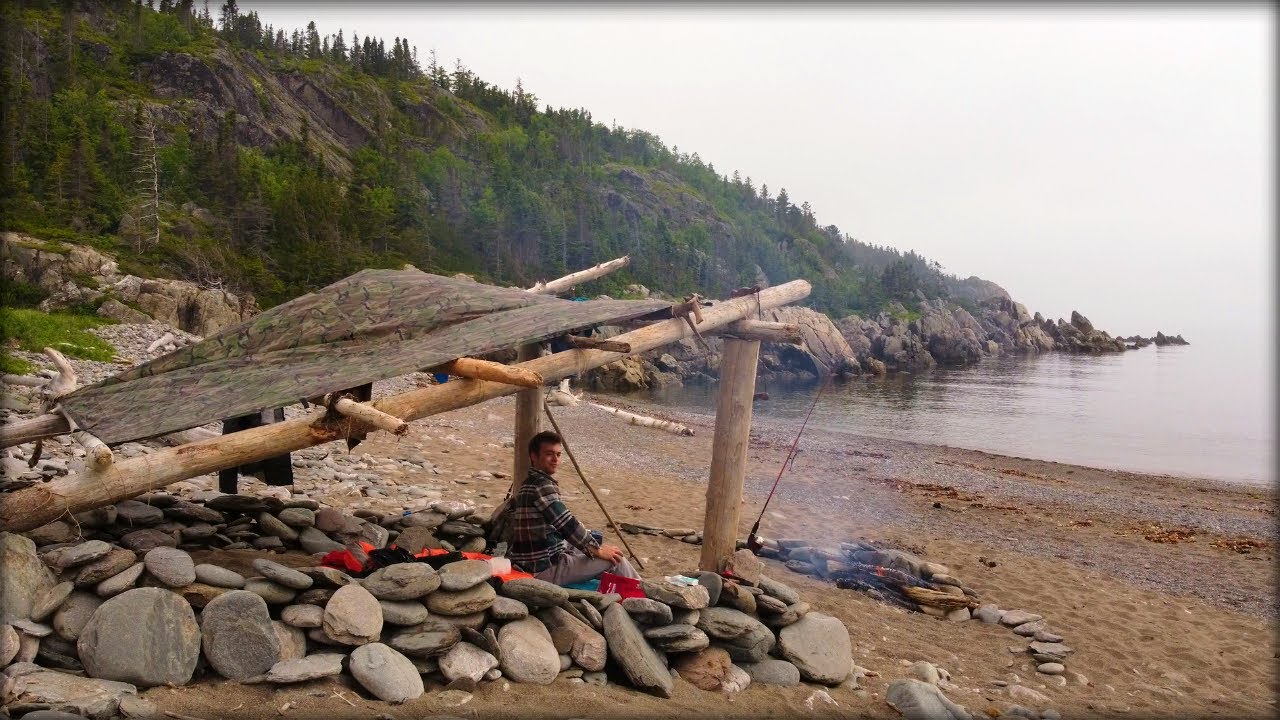
Example of a driftwood beach shelter.
Pick spots above tide lines, facing away from wind. This works because materials are abundant, and elevation avoids flooding. Bushcraft experts highlight how these hold heat better than open exposure.
Sourcing Food and Water
Fresh water is scarce near salt, but dig behind dunes for groundwater—filter and boil it. Collect rainwater or dew from plants.
For food, forage seaweed, clams, or crabs—cook thoroughly to avoid illness. Avoid unknown plants; stick to identifiable edibles like kelp.
Survival guides note coastal areas provide more options than deserts, but contamination risks demand caution.
Signaling for Rescue: Get Noticed
If help is needed, make yourself visible.
Use three signals: fires in a triangle, whistle blasts, or mirror flashes. Spell SOS with rocks or logs on sand.
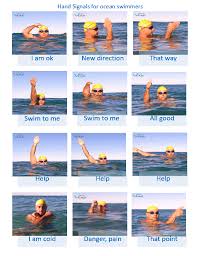
Hand signals for signaling help in water.
On beaches, contrast helps—bright clothes or fires at night. The international distress signal is three of anything, proven effective in searches.
Emergency Responses: Act Fast
For heat exhaustion, move to shade, hydrate, and cool with wet cloths. Cuts need cleaning to prevent infection.
Call 911 or local rescue; know your location. CPR basics save lives in drowning cases—Red Cross courses teach this.
Preparation reduces panic, turning crises into manageable events.
Conclusion
Coastal survival boils down to respect for the environment and smart choices. From spotting rip currents to building shelters, these tips draw from experts and real scenarios. Apply them, and beaches remain fun spots. Always share plans with someone, and adapt to conditions.
References include sources from NOAA, USLA, Red Cross, and RNLI, cited inline where data appears.